



ABSTRACT:
OBJECTIVE: Trichotillomania (TTM) is characterized by the pulling out of one's hair. TTM was
classified as an impulse control disorder in DSM-IV, but is now classified in the
obsessive-compulsive related disorders section of DSM-5. Classification for TTM remains
an open question, especially considering its impact on treatment of the disorder.
In this review, we questioned the relation of TTM to tic disorder and obsessive-compulsive
disorder (OCD).
METHOD: We reviewed relevant MEDLINE-indexed articles on clinical, neuropsychological, neurobiological,
and therapeutic aspects of trichotillomania, OCD, and tic disorders.
RESULTS: Our review found a closer relationship between TTM and tic disorder from neurobiological
(especially imaging) and therapeutic standpoints.
CONCLUSION: We sought to challenge the DSM-5 classification of TTM and to compare TTM with both
OCD and tic disorder. Some discrepancies between TTM and tic disorders notwithstanding,
several arguments are in favor of a closer relationship between these two disorders
than between TTM and OCD, especially when considering implications for therapy. This
consideration is essential for patients.
Keywords: Obsessive-compulsive disorder; trichotillomania; Tourette syndrome; tic disorders; psychiatry.
| Received: July 15 2018; Accepted: June 8 2019 |
INTRODUCTION
As its name implies, obsessive-compulsive disorder (OCD) is defined by obsessions and compulsions.1 Obsessions are thoughts, images, or urges experienced as unwanted and which cause marked anxiety; compulsions are repetitive behaviors performed to prevent or reduce the anxiety caused by obsessions.1 In DSM-IV-TR, this disorder was classified within the anxiety disorders,2 but now, in DSM-5, OCD is included in a specific group called "obsessive-compulsive and related disorder."1 This group also includes body dysmorphic disorder and trichotillomania (TTM).1 TTM is defined by recurrent pulling out of one's hair, resulting in hair loss,1 and was classified as an impulse control disorder in DSM-IV-TR.2 A third disorder - or, rather a group of disorders - is that of tic disorders, which have been linked to OCD in several aspects.3-8 A tic is a sudden, rapid, recurrent, nonrhythmic motor movement or vocalization.1 Some types of tics, especially complex ones, could in fact be considered symptoms of OCD, and some OCD symptoms could conversely be considered complex tics.9 Lochner et al.10 have examined the tic disorders vs. OCD relationship, which includes other complex repetitive behaviors, particularly TTM. Evaluating lifetime comorbidities, degree of disability, and response to treatment, these authors noted significant differences between OCD and TTM, and reached the conclusion that these two disorders were obviously different; furthermore, they reached the conclusion that TTM was wrongly classified as an impulse control disorder. But is "obsessive-compulsive related disorder" a better classification for TTM? A review questioning the content of an eventual obsessive-compulsive spectrum grouping of disorders stated that TTM would be better placed in a group of body-focused repetitive disorders than in that of obsessive-compulsive related disorders, unless the former group were not included in DSM-5.11 And even if TTM were to be classified as an obsessive-compulsive related disorder (as it ultimately was), the authors stated that the overlap between OCD and TTM would be "partial at best."11 But what about TTM and tics? Would the tic disorders group be a better group for TTM? Is TTM in fact a complex tic rather than a compulsion?
In this critical review, we will consider different aspects of OCD, tic disorders, and TTM to discuss the possibility of a closer relationship between TTM and tic disorders than between TTM and OCD.
It is worth noting that Tourette syndrome (TS) has been the subject of much more research than simple tic disorders; we will thus refer much more often to TS than to the latter.
METHOD
Our research question was the following: could TTM be considered a tic disorder rather than an obsessive-compulsive related disorder? To carry out our critical review and answer this question, we searched the MEDLINE database (via PubMed) on November 2018.
We conducted this search across five axes we considered relevant: phenomenological investigation of urges, comorbidities, neuropsychology (especially attention, inhibition, working memory, and flexibility), imaging, and pharmacology. The inclusion criteria were as follows:
- Only original studies were considered (case reports, qualitative studies, and qualitative reviews were thus excluded, except for the "antipsychotics and TTM" part, as we found very few original studies);
- If meta-analyses existed, we considered only the meta-analysis and not the original studies cited therein;
- The reviewed studies should be written in English only;
- The populations studied in original research should be patients with OCD, TTM, or tic disorders;
- The selected studies should specifically include results concerning the field of interest.
Terms used in the search
The PubMed search queries used for each of the different axes are described below.
Phenomenology
The search query "urges AND (OCD OR "obsessive-compulsive disorder)" yielded 122 results; "urges AND Tourette,"; 124 results; and "urges AND (trichotillomania OR "hair pulling disorder")" returned 28 results.
Among the OCD results, we found 22 articles potentially relevant for our aim. After full-text reading, 12 of these articles were found to assess OCD phenomenology and thus selected for further analysis (Table 1). Among the articles identified by the urges and TS query, we deemed 78 relevant and selected 20 (Table 1). Finally, among the articles returned by the urges and TTM query, we deemed eight relevant and ultimately selected only two (Table 1).
Comorbidity
The search query "("hair pulling disorder" OR trichotillomania) AND (OCD OR "obsessive-compulsive disorder") and comorbidity" yielded 81 articles, of which 19 were ultimately selected; "("hair pulling disorder" or trichotillomania) and Tourette and comorbidity" yielded 11 articles, of which four studies were ultimately selected (Table 2).
Neuropsychology
Considering the huge numbers of articles found in this part concerning OCD, we considered only two well-done meta-analyses: one in adults12 and one in children.13
For TTM, our query was "(TTM or trichotillomania) AND ("working memory" OR "inhibition" OR "attention" OR "flexibility")"; it returned 181 results, of which 12 were ultimately selected; for TS, "Tourette AND ("working memory" OR "inhibition" OR "attention" OR "flexibility")" yielded 1,306 results. However, we found a meta-analysis14 concerning inhibition, and thus excluded this term from our search. The query was then repeated as follows: "Tourette AND ("working memory" OR "inhibition" OR "attention" OR "flexibility")", which returned 1,159 results. We found a well-done recent meta-analysis concerning flexibility (through the Wisconsin Card Sorting Test),15 and thus removed that term from the query as well. Finally, we searched for the terms "Tourette AND ("working memory" OR "attention")", which yielded 1,155 records; 11 were ultimately selected (Table 3).
Imaging
We found two meta-analyses of voxel-based morphometry (VBM) analysis with magnetic resonance imaging (MRI) in OCD patients.16,17 For TS, the query was "Tourette AND MRI," yielding 293 results, of which 11 were ultimately selected. For TTM, our query was "(TTM or trichotillomania) AND MRI," which yielded 55 results; nine were selected for inclusion (Table 4).
Treatment
This final part included six separate queries. The terms "(OCD OR "obsessive-compulsive disorder") AND (SRI OR "serotonin reuptake inhibitor")" returned 479 records, 11 of which (all meta-analyses) were ultimately selected. The query "(OCD OR "obsessive-compulsive disorder) AND (antipsychotic OR neuroleptic)" yielded 985 results, seven of which (again, all meta-analyses) were ultimately selected. "Tourette AND (SRI OR "serotonin reuptake inhibitor")" returned 15 results, only one of which was selected; "Tourette AND (antipsychotic OR neuroleptic)" yielded 767 results, three of which (all meta-analyses) were selected. The query "(trichotillomania or "hair pulling disorder") AND (antipsychotic OR neuroleptic)" yielded 61 results. Considering the low number of studies, we decided to include case reports as well; 22 articles were ultimately selected. Finally, "(trichotillomania or "hair pulling disorder") AND (SRI OR "serotonin reuptake inhibitor")" yielded 20 results, seven of which were selected (Table 5).
CLINICAL COMPARISON OF TTM, OCD, AND TIC DISORDERS
Phenomenology
TTM is defined by DSM-5 as an obsessive-compulsive related disorder.1 The two main diagnostic criteria are "recurrent pulling out of one's hair, resulting in hair loss" and "repeated attempts to decrease or stop hair pulling."1 As these diagnostic criteria show, TTM does not involve any obsessions. DSM-5 thus considers TTM as a differential diagnosis of OCD and explains that the one difference from OCD is the absence of obsession in TTM (obsessions are one of the two key diagnostic criteria of OCD, alongside compulsions,1 even if absence of obsession does not exclude OCD).
The more detailed phenomenology of TTM, as described by DSM-5, involves that hair pulling "may be triggered by feelings of anxiety or boredom (and) may be preceded by an increasing sense of tension (either immediately before pulling out the hair or when attempting to resist the urge to pull)."1 It is then interesting to notice that some of the phenomenology involved in tics (which are sudden, rapid, recurrent, nonrhythmic motor movements or vocalizations1) bears similarities with those of TTM precisions. Indeed, regarding tics, the DSM-5 explains that "as children get older, they begin to report their tics being associated with a premonitory urge - a somatic sensation that precedes the tic - and a feeling of tension reduction following the expression of the tic" and that "tics are worsened by anxiety."1 Hence, tics and TTM are both preceded by urges.
Urges are closer to physical sensations, while obsessions are closer to cognitive processes (e.g., thoughts or images). But obsessions also involve urges, as a subtype of obsessions themselves distinct from thoughts or images.1
Considering the potential importance of urge phenomena for challenging the DSM-5 classification of TTM, we decided to conduct a systematic review concerning this phenomenon (Table 1).
| Reference | Main results |
|---|---|
| Fornes-Romero18 | In OCD patients, "just-right" experiences correlated with severity of compulsions and were associated with ordering, washing, or hoarding symptoms. |
| Hirschtritt19 | Aggressive urges were linked to TS, OCD, and ADHD. |
| Subira20 | 67% of 106 OCD patients presented sensory phenomena. |
| Kano21 | Level of sensory phenomena and urges correlated with YGTSS and DY-BOCS. Sensory phenomena correlated with OCD aggression and sexual/religious dimensions. |
| Gillan22 | In 25 OCD patients, habits were associated with urges. |
| Brandt23 | In OCD patients, urges presented an inverted U evolution around compulsions. |
| Rachman24 | In OCD patients, execution of rituals was associated with marked anxiety or urges. |
| Likierman25 | Compulsive urges improve spontaneously with time. |
| Prado26 | Sensory phenomena were associated with tic-related OCD subtypes and were particularly present in early-onset OCD. |
| Shavitt27 | OCD patients with tic disorder were more likely than OCD patients without tic disorder to have urges and sensory phenomena. |
| Miguel28 | Urges and sensory phenomena were more frequent in TS patients and TS + OCD patients than in OCD-only patients. "Just-right" experiences were more frequent in OCD + TS patients than in OCD-only or TS-only patients. |
| McGuire29 | Patients with tic disorders presented an average of three different urges. |
| Brandt30 | Level of urge intensity was more important when TS patients tried to suppress their tic. The intensity decreased after the tics. |
| Schunke31 | There was no correlation between urge intensity and sensory perceptions in TS patients. |
| Brabson32 | The relationship between tics and urges was difficult to interpret in this study of TS patients. |
| McGuire33 | Urge presence at baseline was associated with remission after behavioral intervention in TS patients. |
| Ganos34 | The higher the urge intensity, the later TS patients were conscious of their voluntary action. |
| Muller-Vahl35 | Urge intensity was not changed by tic suppression in TS patients. There was no correlation between tic severity and level of urges. |
| Capriotti36 | Urges were more intense during tic suppression than at baseline in TS patients. |
| Cohen37 | 82% of TS patients presented urges; 57% of these patients with urges found that urges were more bothersome than tics. |
| Sambrani38 | In TS patients, tic severity was associated with level of urges. Urges were highly associated with "just-right" experiences. |
| Eapen39 | TS patients with complex tics reported more urges than TS patients with simple tics. |
| Ganos40 | The more TS patients had interoceptive awareness, the more they had urges. Tic severity was associated with urge intensity. |
| Reese41 | Level of urges correlated with tic severity, but not with severity of comorbid OCD in TS patients. |
| Eddy42 | "Non-obscene socially inappropriate symptoms" were associated with more urges in TS patients. |
| Crossley43 | Urges were associated with vocal tic severity and compulsivity in TS patients. |
| Rajagopal44 | Different types of urges are associated with tics and compulsive symptoms in TS patients. |
| Gulisano45 | No correlation between urge intensity and tic severity, but correlation found between urge intensity and compulsive symptoms in TS patients. |
| Steinberg46 | Urge intensity was not correlated with tic severity, but was correlated with compulsion in TS patients (only in those under age 10, however). |
| Lee47 | Acceptance and commitment therapy did not improve urges in TTM patients. |
| Falkenstein48 | In TTM patients, TTM-by-proxy urges were present in 54% of the sample. |
ADHD = attention deficit/hyperactivity disorder; DY-BOCS = Dimensional Yale-Brown Obsessive-Compulsive Scale; OCD = obsessive-compulsive disorder; TS = Tourette syndrome; TTM = trichotillomania; Y-BOCS = Yale-Brown Obsessive-Compulsive Scale; YGTSS = Yale Global Tic Severity Scale.

Articles have reported urges and sensory phenomena in OCD patients,18-23 with a temporal relationship between these phenomena and the compulsions.23-25 Urges are defined as being distinct phenomena: sensory phenomena, "just-right" sensations, or other phenomena, e.g., a need for the patient to release energy.26 Studies were divided regarding the association between "just-right"/incompleteness feelings and OCD severity scales: some found no correlation,18 while others did.21 Furthermore, it is interesting to note that OCD patients with sensory phenomena presented symmetry compulsions more frequently than OCD patients without these phenomena.20 Studies also found that urges (sensory phenomena, aggressive urges, or "just-right" phenomena) were more often present in OCD + TS patients than in OCD-only patients.19,27,28 These results (concerning symmetry compulsions and OCD-only vs. OCD + TS) are interesting when compared with the finding of Worbe et al. that symmetry or "just-right" phenomena were more often considered tics than compulsions (the difference between tic and compulsion being the nature of the different repetitive behaviors, based on the absence or presence of anxiety, with tics being unrelated to anxiety).9
Urges are found in TS patients, with a temporal relationship between tics and urges.29-37 Furthermore, studies have found that TS patients with urges have more severe tics.38-43 Considering our aim, it is interesting to note that studies found that urges were associated with symmetry compulsion or "just-right" experiences21,38,41,44 in TS patients. These findings are similar to those reported for OCD patients above (i.e., urges are more frequent when symmetry compulsions and comorbid tics are present). We can thus remark, as before, that these urges concerned specific repetitive behaviors (not the washing or checking compulsions classically associated with anxiety) that have been more frequently associated with tics than with compulsions.9 What highlights the difficulty of determining whether urges are associated with OCD, TS, or both is that some studies found a correlation between level of urges as measured by the Premonitory Urge to Tic Scale (PUTS) and the Children's Yale-Brown Obsessive Compulsive Scale (CY-BOCS), but not between PUTS and the Yale Global Tic Severity Scale (YGTSS),45,46 whereas other studies found the opposite.40,41 Unfortunately, among these studies,40,41,45,46 none made specific correlations between PUTS scores and different types of OCD to determine whether PUTS scores were associated with specific compulsions (e.g., symmetry) or with symmetry and checking compulsions alike. However, when considering studies which made the distinction between different types of "compulsions,"20,21,38,41,44 urges were associated with symmetry compulsions or "just-right" perception, phenomena more frequently associated elsewhere with TS than with OCD,9 and never specifically with repetitive checking or washing behaviors, which are more frequently associated with OCD.9
As in Tourette and OCD, urges are found in TTM.47 The urge to pull was greater in patients who experienced perfectionistic thoughts,48 which could be associated with symmetry or "just-right" phenomena.
Taken together, even if it is impossible to reach a definitive conclusion, it seems that urges are specifically associated with specific repetitive behaviors: tics, symmetry, or "just-right" phenomena. Furthermore, in TTM, urges are associated with perfectionistic thoughts, which could be considered as being close to the "just-right" phenomenon. These phenomenological descriptions could suggest an important overlap between TTM and tic disorders, maybe more so than with OCD - neither TTM nor tics being preceded by thoughts or images, unlike in OCD.1 Furthermore, one could hypothesize that urges in OCD would in fact precede complex tics, not compulsions, since it has been shown that compulsions can in some cases be considered tics.9
Finally, a very important study on the phenomenology of TTM49 found significant differences between TTM and OCD, but not between TTM and tic disorders (chronic tic disorder and TS), particularly when multiple symptoms were taken into consideration, such as anxiety symptoms (as measured by the Multidimensional Anxiety Scale for Children [MASC]), depressive symptoms (as measured by the Children's Depression Inventory [CDI]), internalizing symptoms, externalizing symptoms, and thoughts (as measured by the Child Behavior Checklist [CBCL]). This study49 thus found a more important relationship between tic disorders and TTM when co-symptoms of TTM, OCD, and tic disorders were considered, as our qualitative comparison of DSM-5 diagnostic criteria did.
Comorbidity
Comorbidity results are presented in Table 2.
| Reference | Main results |
|---|---|
| Torresan5 | OCD patients:6.9% had comorbid TTM8.4% had comorbid TS28.2% had comorbid tic disorders |
| Bienvenu6 | OCD patients:11% had comorbid TTM18% had comorbid tic disorders |
| Hemmings7 | Early-onset OCD:19% had comorbid tic disorders7.5% had comorbid TS5.8% had comorbid TTMLate-onset OCD:9.3% had comorbid tic disorders1% had comorbid TS0.88% had comorbid TTM |
| Richter8 | OCD patients:9% had comorbid TTM13% had comorbid tic disorders |
| Lochner10 | OCD patients:12.3% had comorbid tic disorders3.8% had comorbid TSTTM patients:6.1% had comorbid tic disorders2% had comorbid TS |
| Stewart50 | 18.8% of OCD patients had comorbid TTM |
| Brakoulias51 | 11.5% of OCD patients had comorbid TTM |
| Lochner52 | OCD patients:6.4% had comorbid TTM13.1% had comorbid tic disorders4.80% had comorbid TS |
| Bienvenu53 | 4% of OCD patients had comorbid TTM |
| Jaisoorya54 | 8% of patients with OCD + tic disorders had comorbid TTM0.7% of patients with OCD without tic disorders had comorbid TTM |
| Lovato55 | 26.7% of patients with pure OCD had comorbid tic disorders33.1% of patients with OCD + grooming disorders had comorbid tic disorders |
| Robertson56 | 40-60% of TS patients had comorbid OCD |
| Greenberg57 | 53% of TS patients had comorbid OCD |
| Frank58 | TS patients:13.8% had comorbid OCD9.7% had comorbid TTM |
| Houghton59 | 7.1% of TTM patients had comorbid OCD |
| Greenberg60 | TTM patients:18.1% had comorbid OCD2.9% had comorbid tic disorders |
| Grant61 | TTM patients:10-15% had a family history of TTM3.1-18.4% had a family history of OCD |
| Odlaug62 | 8.3% of TTM patients had comorbid OCD |
| Panza KE63 | TTM patients:5% had comorbid OCD6% had comorbid tic disorders |
| King64 | TTM patients:2 of 15 had comorbid OCD2 of 15 had comorbid tic disorders |
| Hanna65 | 9% of patients with TTM had comorbid tic disorders0% of patients with OCD had comorbid tic disorders |
| Keuthen66 | TTM patients:38% had comorbid OCD2.7% had comorbid TS |
| Hirschtritt67 | 66% of patients with TS had comorbid obsessive-compulsive spectrum disorders |
OCD = obsessive-compulsive disorder; TS = Tourette syndrome; TTM = trichotillomania.
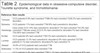
Comorbidity rates among TS, OCD, and tic disorder
OCD and TTM are frequently comorbid. The studies included in this review reported a 6 to 11% rate of TTM comorbidity in patients with OCD.5-8,50-53 However, we found also that OCD patients with TTM have more tics than those without TTM50; and OCD patients with TTM have an earlier onset of their OCD.50 The same results have been found for OCD patients with tics: they are more likely to have comorbid TTM than OCD patients without tics54 and have an earlier age of OCD onset.54
When considering OCD patients with and without "grooming disorders," we found that the two groups presented the same frequency of tic disorder; however, OCD patients without grooming disorders more often had a family history of tics, while OCD patients with grooming disorder more often had a family history of OCD.55
Finally, patients with early-onset OCD have more TS/tics and TTM comorbidity than those with late-onset OCD.7,56 These data are important from a genetic standpoint (see Genetics section below).
An interesting study looked at the family history of OCD patients and found that 55% of their family members had a history of OCD, 14% had a history of tic disorders, and only 4% had a history of TTM.6 The authors concluded that "it seems reasonable to consider TTM OCD-related," but also that "OCD and tic disorders are strongly family-related, and from this standpoint, it would be sensible to group these conditions together in DSM-5."6
When we searched for studies on comorbid TTM in TS patients, we found that about 3.8-10% of TS patients also have TTM.57,58 More importantly, in a multivariable analysis of TTM occurring in TS patients, one of these studies found that only Yale-Global Tic Severity Scale (YGTSS) motor score was associated with occurrence of TTM in comorbidity with TS.57 In this same multivariable analysis, comorbid OCD was not associated with occurrence of TTM in TS patients.57
Finally, we found that between 2.6 and 20% of TTM patients had a history of OCD,49,53,59-62 while 0 to 3% had a history of tic disorders.53,60
When comparing tic comorbidity in OCD and TTM patients, five studies reported that TTM patients have the same level of tic disorders as OCD patients.10,49,63-65 However, another study found distinct results, with TTM patients having much more OCD than tic disorders.66 If we consider TTM as a tic, the rate of OCD comorbidity in TTM in this latter study is then close to the one found in TS.67
These studies highlight a relationship between tics and TTM, not only in an OCD context (and, possibly, in the specific context of early-onset OCD7,54), but also directly in TS patients.57 This last study helps us reach the conclusion that the TTM-tic relationship seems stronger than the TTM-OCD relationship, since OCD was not associated with occurrence of TTM in TS patients.
Comorbidity rates of TTM, OCD, and tic disorder with other psychiatric disorders
When we looked at other comorbidities in each of these disorders, we found that: 1) TTM patients have a lifetime rate of comorbid major depressive disorder (MDD) of approximately 43%59; 2) OCD patients present have a 15 to 55% lifetime rate of comorbid MDD68-70; and 3) TS patients have a 13 to 76% lifetime rate of comorbid MDD.56,67
Hence, there are major discrepancies between studies of depressive comorbidity (e.g., some studies reported a 15% rate of comorbid MDD in TS, whereas another reported 60%56). It is thus very difficult to reach any conclusions. Concerning other psychiatric comorbidities in TTM, OCD, and tic disorders, results also preclude any conclusions.59,67-74 Furthermore, comorbidity studies in patients with OCD or TS are much easier to find than in TTM patients.
Comparison of TTM, OCD, and tic disorder epidemiology
Epidemiological data favor a closer proximity between TTM and OCD than between TTM and tic disorders. Just as OCD (about 55% of patients are female), TTM affects more women than men (about 80-85% of patients are female); this is not the case in TS, which affects males more often females.49,75-81 Nonetheless, some studies found a greater proportion of males in OCD.82 Age of onset in TTM (about 11 to 13 years) is approximately the same as for early-onset OCD (about 11 years), but onset of tic disorders occurs much earlier (about 4 to 8 years).1,75,80,81,83-86 On a developmental level, analysis of the age at onset and the course of these illnesses seems to show TTM is closer to OCD (both chronic disorders) than to tic disorders (in which nearly half of patients become tic-free in early adulthood).75,81,83,87-89 Conversely, however, we could highlight that tic disorders tend to worsen in early adolescence (10-12 years),1 when OCD and TTM appear.
Hence, even if lifetime prevalences are nearly similar across these disorders (about 1 to 3% for TTM,1,75,83 about 2% for OCD,90 and about 1% for TS80,91), epidemiological data seem to favor a closer relationship between TTM and OCD than between TTM and tic disorders.
NEUROPSYCHOLOGY
Another way to study the proximity between OCD, tic disorders, and TTM is to analyze the neuropsychological particularities of each of these disorders (Table 3).
| Reference | Main results |
|---|---|
| Abramovitch12 | In adults with OCDAttention deficitWorking memory deficitFlexibility deficitInhibition deficit |
| Abramovitch13 | In children with OCDNo working memory deficitNo flexibility deficitNo inhibition deficit |
| Morand-Beaulieu14 | Inhibition deficit in TS patients |
| Lange15 | Cognitive flexibility deficit in TS patients |
| Odlaug92 | Inhibition deficit in TTM patients |
| Chamberlain93 | Inhibition deficit in both TTM and OCD patients |
| Bohne94 | Greater inhibition deficit in younger TTM patients than in older TTM patients.The deficit was greater than in OCD patients. |
| Grant95 | Inhibition deficit in TTM patients in the stop-signal reaction test |
| Brennan96 | Better inhibition performance than healthy controls in TTM patients |
| Flessner97 | No flexibility deficitNo working memory deficit |
| Chamberlain98 | Working memory deficit in OCD patients and in TTM patientsNo difference in working memory between OCD and TTM patientsNo flexibility deficit in TTM patients, but flexibility in OCD patients |
| Grant99 | No flexibility deficit in TTM patients |
| Bohne100 | No difference in working memory between TTM patients, OCD patients, and healthy controlsFlexibility deficit in TTM patientsFlexibility deficit in OCD patients |
| Stanley101 | Divided attention deficit in TTM patients |
| Termine102 | Inhibition deficit in TS patientsAttention deficit in TS patients |
| Sukhodolsky103 | No inhibition deficit in TS patients without ADHDAttention deficit in TS patient with ADHD |
| Shucard104 | Attention deficit in TS patients |
| Matsuda105 | Flexibility deficit in TS patient with aggressive obsessions |
| Chang106 | Attention and working memory deficits in TS and OCD patients |
| Sherman107 | No attention deficit in TS-only patients |
| Keuthen108 | No attention or working memory deficit in TTM patients |
| Jeter109 | Working memory and inhibition deficit in TS patients |
| Eddy110 | Working memory and inhibition deficit in TS patients |
| Crawford111 | No working memory deficit in TS patients |
| Channon112 | No working memory deficit in TS patients |
| Bornstein113 | No working memory deficit in TS patients |
| Channon114 | No working memory deficit in TS patients |
OCD = obsessive-compulsive disorder; TS = Tourette syndrome; TTM = trichotillomania.
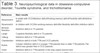
First, when comparing these three disorders, we find that adults with OCD12 seem to show a motor inhibition deficit, but no such deficit was found in children.13 Results in TTM are divergent; some authors found an inhibition deficit (Stop Signal task, Go-No Go Test92-95), while others did not (Stop Signal task,95,96 Go-No Go Test94). Authors found no deficit for the Go-No Go or Stop Signal tasks in TS.14 It is thus difficult to compare these three disorders in terms of inhibition, because of the divergent findings in TTM. Second, altered flexibility was found in adults with OCD12 (but not in children13) and in TS,15 but not in TTM93,95,97-99 (except in one study, which found a deficit in the Object Alternation task, but not in the Wisconsin Card Sorting Test [WCST]100). Attention deficits are found in all three disorders,12,101 but more mixed results are found in TS (some studies found a deficit,102-104 whereas others did not105-107). However, one must keep in mind that attention deficit/hyperactivity disorder (ADHD) is a frequent comorbidity in TS and that the attention deficit results mentioned above seem linked only to comorbid ADHD. Finally, concerning working memory, adult OCD patients presented deficits,12 but children did not.13 In TTM, no difference from controls was found.97,100,108 In TS patients, some studies reported deficits106,109-113 while others did not.114
Looking at these data, TTM seems closer to TS than to OCD. However, bearing in mind the many divergent findings in these neuropsychological studies and that very few have been conducted in TTM, no definitive conclusion can be drawn as to a close relationship between TTM and either OCD or TS.
Some authors have directly compared OCD and TTM and found that TTM patients have less flexibility dysfunction than OCD patients, as well as a greater impulse control deficiency,93,115 although the latter is less clear.94 Studies based on other neuropsychological tasks, such as response monitoring116 and strategy implementation,117 also reached the conclusion that there are differences between OCD and TTM. Direct neurocognitive comparisons between TTM and TS are much harder to find.
In conclusion, from a neurocognitive point of view, TTM seems closer to TS than to OCD, but the many limitations in such research preclude any definitive conclusion.
NEUROBIOLOGICAL COMPARISON BETWEEN TTM, OCD, AND TIC DISORDERS
Imaging studies
When TTM, TS, and OCD imaging studies16,17,92,118-136 were compared (Table 4), striatal abnormalities were found in the three disorders. No other common abnormality is found in OCD and TTM (Table 4). In imaging studies of TS and TTM,122,129 increased precentral gyrus volume has been reported in both disorders (since the supplementary motor area [SMA] is part of the precentral gyrus), not in OCD (Table 4).16,17
| Reference | Main results |
|---|---|
| Odlaug92 | In TTM patientsIncreased right inferior/middle frontal cortical thicknessIncreased right lingual cortical thickness |
| Roos118 | In TTM patientsDecreased right parahippocampal cortical thickness |
| Keuthen119 | In TTM patientsDecreased cerebellum volume |
| O'Sullivan120 | In TTM patientsDecreased left putamen volume |
| Grachev121 | In TTM patientsDecreased left inferior frontal gyrus volumeIncreased right cuneal cortex volume |
| Chamberlain122 | In TTM patientsIncreased left striatum grey matter densityIncreased left amygdalo-hippocampal formation grey-matter densityIncreased cingulate cortex grey-matter densityIncreased supplementary motor cortex grey-matter density |
| Hu16 | In OCD patientsIncreased striatal volumeDecreased prefrontal cortex volumeDecreased left visual cortex volume (in children)Decreased anterior cingulate cortex volume (in adults)Decreased cerebellum volume (in adults) |
| Boedhoe17 | In OCD patientsDecreased hippocampal volumeIncreased pallidum volumeIncreased thalamic volume (in children) |
| Peterson123 | In TS patientsDecreased left lenticular nucleus volume |
| Peterson124 | In TS patientsDecreased caudate volumeDecreased lenticular nucleus volume |
| Lee125 | In TS patientsIncreased left thalamus volume |
| Ludolph126 | In TS patientsIncreased ventral putamen volumeDecreased left hippocampal gyrus grey-matter volume |
| Draganski127 | In TS patientsDecreased orbitofrontal cortex grey-matter volumeDecreased anterior cingulate cortex grey-matter volumeDecreased ventrolateral prefrontal cortex grey-matter volume |
| Wittfoth128 | In TS patientsDecreased left inferior frontal gyrus grey-matter volume |
| Liu129 | In TS patientsDecreased left superior temporal gyrus grey-matter volumeIncreased left paracentral gyrus grey-matter volumeIncreased right precentral gyrus grey-matter volumeDecreased right precentral cortex white-matter volumeDecreased right precuneus cortex white-matter volumeDecreased left temporal occipital fusiform cortex white-matter volumeDecreased right frontal pole white-matter volumeDecreased right postcentral gyrus white-matter volumeDecreased lingual gyrus white-matter volumeDecreased orbitofrontal cortex white-matter volume |
| Greene130 | In TS patientsDecreased medial prefrontal cortex white-matter volumeIncreased posterior thalamus grey-matter volumeIncreased hypothalamus grey-matter volumeIncreased midbrain grey-matter volume |
| Forde131 | In TS patientsNo modification of basal ganglia volumes |
| Roessner132 | In TS patientsNo brain alteration |
| Muller-Vahl133 | In TS patientsDecreased gray-matter volume in:-Left postcentral gyrus-Right cingulate gyrus-Left caudate-Left middle frontal gyrus-Left precentral gyrus-Right middle frontal gyrus-Right precentral gyrus-Right postcentral gyrus-Right medial frontal gyrus-Left cingulate gyrusDecreased white-matter volume in-Right inferior frontal gyrus-Left superior frontal gyrus-Left precentral gyrus-Right anterior corpus callosum-Left lingual gyrusIncreased white-matter volume in-Left postcentral gyrus-Left precentral gyrus-Left precentral gyrus-Right parahippocampal gyrus-Right precentral gyrus |
| Isobe134 | In TTM patientsDecreased right amygdalaDecreased left putamen |
| Chamberlain135 | In TTM patientsIncreased right inferior frontal gyrus cortical thicknessNo difference for subcortical structures |
| Stein136 | No differences concerning ventricular/brain ratio and caudate volume between OCD and TTM patients and healthy controls |
OCD = obsessive-compulsive disorder; TS = Tourette syndrome; TTM = trichotillomania.
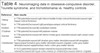
There is evidence that the SMA is involved in the neurobiology of tics137; hence, the finding of SMA abnormalities in both TS and TTM imaging studies could suggest a neurobiological relationship between TTM and TS. Unfortunately, it is difficult to reach any definitive conclusion, as meta-analyses of VBM studies in TTM and TS are still lacking; nonetheless, the current data seem to favor a closer relationship between TTM and TS than between TTM and OCD.
Concerning diffusion tensor imaging (DTI) studies, we found only one study in TTM,138 which hinders comparisons with DTI meta-analyses in OCD or with the several DTI studies in TS. The same applies to functional connectivity studies (we found only one139 in TTM) and functional MRI in TTM (where we found only three studies on different specific tasks139-141).
Genetic studies
Heritability
Comparing heritability could be a good way to disentangle the TTM-OCD-TS relationship. Heritability in OCD was reported as 40-50% in studies conducted in the 2000s,142 compared to 32-76% in TTM142 and 25-77% in TS.143 Given the huge differences in heritability across different studies, no conclusion can be reached concerning the relationship of TTM with either OCD or TS in this respect.
Candidate gene studies
Genetic studies - and, more specifically, candidate gene studies - could be useful to compare the neurobiology of TTM, TS, and OCD. Altered genes shared between two of these disorders could suggest that common intracellular pathways are involved.
One study found that a variant of SAPAP3 was associated with TTM, but this result did not withstand correction for multiple comparisons.144 The same study also found that a specific haplotype of SAPAP3 was linked with earlier onset of OCD, but no difference in genotype or allele frequencies for SAPAP3 was found for OCD compared to controls.144 Furthermore, this study did not mention the nature of compulsions, which would have been useful, knowing that tic disorders begin earlier than OCD and that some compulsions are strongly associated with tic disorders (e.g., symmetry compulsions, as noted in the Phenomenology section). Another study found an association between a SAPAP3 variant and TTM, but no association was found between SAPAP3 variants and OCD.145 A third study found that two specific variants of SAPAP3 and two specific haplotypes could be linked with TS, but the results were no longer significant after correction.146 Hence, the SAPAP3 gene may be linked directly to TS and TTM, but only with the age of onset in OCD.
Another study found that the T102T genotype for 5HTR2A was more frequent in TTM patients than in controls (result remained significant after correction) and OCD patients (result did not remain after correction).147 Thus, one might think that 5HTR2A polymorphisms are specific to TTM, but a meta-analysis of genetic association studies in OCD found that 5HTR2A polymorphisms were in fact also associated with OCD.148 Finally, a recent study found no association between 5HTR2A polymorphisms and TS.149 Thus, considering 5HTR2A polymorphisms, one might presume that TTM is closer to OCD than TS.
SLITRK1 variants are associated with OCD,150,151 but also with TTM and TS.90,151-154 This gene seems involved in vulnerability for all three of these disorders.
We did not find any study on links between other candidate genes known to be possibly involved in OCD neurobiology90,148 and TTM. However, some studies on these genes included patients with both TS and OCD.155,156 Likewise, we did not find any studies on links between TS candidate genes not mentioned above153,154,157,158 and TTM. Among these studies, some included patients with both TS and OCD.158-160
It is difficult to draw any conclusion from these studies. SAPAP3 appears to be somehow associated with TS and TTM, 5THR2A with OCD and TTM, and SLITRK1 with all three disorders. Thus, nothing can be presumed about a relationship between these disorders from a candidate gene standpoint. Furthermore, some of the genes potentially involved in these disorders and mentioned above have also been implicated in schizophrenia161 and autism.162 The only conclusion we can reach is already well known: OCD, TS, and TTM seem to be genetically related disorders.
Cluster analysis
In terms of genetics, OCD and TS have been considered to be on the same spectrum and genetically linked.163,164 More recently, a significant genetic correlation has been found between these two disorders, similar to the genetic correlation between bipolar disorder and MDD.165 Different studies that looked at the relationships between TS and OCD in terms of phenotypes found different, complex relationships, which could lead to different TS or OCD subclasses.10,166-169 When we analyzed the place of TTM in these different subclasses of OCD or TS, we found only studies on OCD. First, a three-cluster OCD model placed TTM and TS were in the same cluster (called "reward deficiency")170; second, in a three-subclass OCD model, OCD with tics was more often associated with grooming disorders, which included TTM and pathological skin picking.169 From the standpoint of these studies, if TTM can be associated with any OCD subclass, it seems that in these cases TTM is also associated with tic disorders. These results may shed light on a potential relationship between tic disorders and TTM in the global context of OCD.
Finally, a key study on latent liability factor found two factors, with the first factor common to all obsessive-compulsive related disorders (but with the strongest loading for OCD, body dysmorphic disorder, and hoarding disorder) and a second factor loaded only by TTM and skin-picking disorder.171 Hence, this study highlights the relative distance (essentially genetic) between OCD and TTM.
TREATMENT
Another potentially relevant approach to distinguishing the tic or OCD nature of TTM is to compare the efficacy of different treatment types in OCD, tic disorder, and TTM (Table 5). It should be noted that not all treatments mentioned below are approved by the U.S. Food and Drug Administration (FDA) for treating the different disorders studied.
| Reference | Main results |
|---|---|
| Hollis172 | Antipsychotics are effective in reducing tics in TS patients (meta-analysis) |
| Zheng173 | Aripiprazole as effective as haloperidol or tiapride in reducing tics in TS patients (meta-analysis) |
| Van Ameringen174 | Olanzapine as an effective treatment in TTM |
| Howard175 | Aripiprazole as an effective treatment of TTM in a patient suffering from Huntington disease (case report) |
| Yasui-Furukori176 | Aripiprazole as an effective treatment of TTM (case report) |
| White177 | Aripiprazole as an effective treatment of TTM |
| Virit178 | Aripiprazole as an effective treatment of TTM (case report) |
| Jefferys179 | Aripiprazole as an effective treatment of TTM (case report) |
| Van Ameringen180 | Haloperidol as an effective treatment of TTM (in nine patients, no control group) |
| Crescente Jr.181 | Efficacy of quetiapine in TTM (case report) |
| Khouzam182 | Efficacy of quetiapine in TTM (case report) |
| Stewart183 | Olanzapine as an effective treatment in TTM |
| Liu184 | Aripiprazole as an effective treatment in TS (meta-analysis) |
| Oravecz185 | Risperidone as an effective treatment of TTM (case report) |
| Mancini186 | Antipsychotics as an effective treatment in TTM (case series) |
| Ashton187 | Olanzapine as an effective treatment in TTM (four cases) |
| Senturk188 | Risperidone as an effective treatment of TTM (case report) |
| Srivastava189 | Olanzapine as an effective treatment of TTM (two cases) |
| Potenza190 | Olanzapine as an effective treatment in TTM (case report) |
| Epperson191 | Risperidone as an effective treatment of TTM (three cases) |
| Gabriel192 | Risperidone as an effective treatment of TTM (case report) |
| Ghaziuddin193 | Haloperidol as an effective treatment of TTM (case report) |
| Stein194 | Pimozide as an effective treatment of TTM (in six cases out of seven) |
| Pathak195 | Olanzapine as an effective treatment of TTM (case report) |
| Rothbart196 | No efficacy of SSRI in TTM (Cochrane review) |
| Rothbart197 | No efficacy of SSRI in TTM (Cochrane review) |
| Bloch198 | No efficacy of SSRI but efficacy of clomipramine in TTM (meta-analysis) |
| Christenson199 | No efficacy of fluoxetine in TTM |
| Streichenwein200 | No efficacy of fluoxetine in TTM |
| Van Minnen201 | No efficacy of fluoxetine in TTM |
| Scahill202 | No efficacy of fluoxetine in TS |
| Issari203 | Efficacy of SSRI in OCD (meta-analysis) |
| Romanelli204 | Efficacy of SRI in OCD (meta-analysis) |
| Bloch205 | Efficacy of SSRI in OCD (meta-analysis) |
| Soomro206 | Efficacy of SSRI in OCD (meta-analysis) |
| Ivarsson207 | Efficacy of SRI in OCD (meta-analysis) |
| McGuire208 | Efficacy of SRI in OCD (meta-analysis) |
| Stein209 | Efficacy of SRI in OCD (meta-analysis) |
| Sanchez-Meca210 | Efficacy of SRI in OCD (meta-analysis) |
| Geller212 | Efficacy of SSRI in OCD (meta-analysis) |
| Piccinelli213 | Efficacy of SRI in OCD (meta-analysis) |
| Varigonda214 | Efficacy of SSRI in OCD (meta-analysis) |
| McGuire215 | Efficacy of SRI in TTM (meta-analysis) |
| Caine216 | No efficacy of SRI TS |
| Bloch217 | Efficacy of antipsychotics in OCD as an augmentation treatment (meta-analysis) |
| Veale218 | Efficacy of antipsychotics in OCD as an augmentation treatment (meta-analysis) |
| Dold219 | Efficacy of antipsychotics in OCD as an augmentation treatment (meta-analysis) |
| Dold220 | Efficacy of antipsychotics in OCD as an augmentation treatment (meta-analysis) |
| Skapinakis221 | Efficacy of antipsychotics in OCD as an augmentation treatment (meta-analysis) |
| Maher AR222 | Efficacy of antipsychotics in OCD as an augmentation treatment (meta-analysis) |
| Fineberg223 | Efficacy of antipsychotics in OCD as an augmentation treatment (meta-analysis) |
OCD = obsessive-compulsive disorder; SRI = serotonin reuptake inhibitor; SSRI = selective SRI; TS = Tourette syndrome; TTM = trichotillomania.
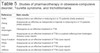
When we look at these different data, treatment of TTM appears to resemble that of TS treatment, with antipsychotics172-195 seemingly effective and selective serotonin reuptake inhibitors (SSRI)196-202 ineffective (while SSRIs are a well-established treatment for OCD203-214). A meta-analysis found serotonin reuptake inhibitors (SRI) to be effective in TTM,215 contradicting a previous meta-analysis.198 This difference may be explained by study selection: two clomipramine studies were included in the meta-analysis by McGuire,215 but not in Bloch's,198 which was limited to SSRI studies. Indeed, clomipramine seems to have a place in the treatment of both TTM and OCD,198,214 which is not the case for TS.216,224 Furthermore, antipsychotics also seem to have a place in treatment strategies for OCD217-223 to augment SSRI efficacy. However, this raises diagnostic questions. The fact that some compulsions can be easily confused with tics could explain the efficacy of adjunctive antipsychotic treatment in OCD.9 Finally, N-acetylcysteine has been debated for treatment of these conditions, with mixed results across different studies.196,225-231
The efficacy of other treatments used in TS or OCD could not be examined in TTM due to a lack of data. For example, clonidine, which is effective in TS,232 has not been studied in TTM; amantadine233 and memantine,234 which have shown adjunctive efficacy in treatment-refractory OCD, have not been studied in TTM to the best of our knowledge. Finally, deep brain stimulation, which has been found highly effective in OCD235 and TS,236,237 has not been studied in TTM (although a complex case of Parkinson's disease with comorbid TTM treated by deep brain stimulation has been reported238).
Concerning psychotherapies, habit reversal training has shown efficacy in TTM198,239-245 and TS,243,245-248 while exposure response prevention (ERP) seems to be the most efficient psychotherapy for OCD.243,249,250
DISCUSSION
TTM is widely and rightly accepted as a part of the OCD spectrum, based in part on its repetitive phenomenology.1 However, difficulties in distinguishing OCD and TS in some cases9 led us to the question of whether the real nature of TTM is indeed obsessive-compulsive rather than tic-related. We thus examined the literature on TTM, OCD, and tic disorders. We divided this literature review into five different axes (phenomenology, epidemiology, neuropsychology, neurobiology, and treatment), to provide clearer insight into the true nature of TTM.
This review allowed us to go beyond the classical question of "is TTM related to OCD?"251 and ask: "is TTM related to tic disorders?" If data from candidate gene studies does not provide clear answers, other information can help. Epidemiological data showed different results concerning age of onset and course of these disorders, but suggesting a closer link between TTM and OCD, while studies of comorbidity (especially rates of TTM, OCD, and TS comorbidity among these conditions) seemed to suggest a closer link between TTM and TS.57 It is difficult to reach a conclusion according to these epidemiological data.
Conversely, clinical, imaging, neuropsychological, cluster-analysis, and, most importantly, treatment studies lead us to think that there is a closer relationship between TTM and tic disorders.
Imaging studies have implicated motor regions, especially the supplementary motor area, in TTM and tic disorders,122,129 but not in OCD.16,17 Even if these findings lack confirmation from meta-analyses, they highlight the motor characteristics of TTM and tic disorders. These aspects are in line with what is seen in clinical practice. OCD patients seem to experience more anxiety than tic-disorder and TTM patients do.49 Urges are found in all three disorders; however, in OCD, they seem to pertain more specifically to symmetry or "just-right" compulsions - behaviors that have been associated more frequently with TS than with OCD.9 Genetic data, especially from cluster-analysis studies (clusters in which genetic backgrounds are supposed to have a major role), endorse relationships between tics and TTM, since both are found in the same clusters.169-171 Limiting these findings is the fact that these clusters are generated in an OCD context (i.e., from OCD patients), except for one study on latent liability factor which clearly differentiated OCD and TTM.171 Results from neuropsychological studies are very divergent depending on study design, neuropsychological processes assessed, and tasks employed.252 Finally, the strongest evidence leading us to the conclusion of a closer relationship between TTM and tic disorders than between TTM and OCD comes from therapeutic studies. In both TS and TTM, antipsychotic treatment is essential.153,172-182,196,197,232,253-259 Furthermore, the efficacy of antipsychotics in TTM and TS has been shown for a wide range of agents.153,172-182,196,197,232,253-259
Together, these data support a closer relationship between TTM and TS than between TTS and OCD. However, TTM is not exactly a tic disorder. As stated much earlier, TS and OCD are on the same spectrum.163,260 The closer relationship of TTM and OCD in terms of some specific epidemiological data, but not in terms of treatment, suggest that TTM is somewhere on a tic-OCD spectrum, as stated by Hollander et al.260 TTM is neither exactly a tic disorder nor an OCD subtype, which is congruent with Phillips's conclusions that the overlap between TTM and OCD is "partial at best."11
Classifications of psychiatric disorders are only partially based on neurobiological data, which makes them inherently imperfect. Nevertheless, classifications are useful to represent symptoms and support treatment decisions. For these reasons, even if TTM seems to differ from tic disorders in some respects, its phenomenology and treatments (with antipsychotics and/or habit reversal training239,240,248 showing efficacy in TTM) are closer to those of tic disorders than to those of OCD. Thus, we believe it would be more helpful to consider TTM as a tic disorder in clinical practice. Of course, it is still possible that some TTM patients will present with obsessions and anxiety which lead to their hair pulling; each psychiatrist will have to consider specific cases individually.
The potential tic nature of TTM does not exclude a limbic component in this disorder. As in tic disorders, during stressful periods,153 the intensity of TTM symptoms can increase74 (particularly in male patients, according to some authors261), which highlights the neurobiological relationship between TTM, tics, and OCD. It is well known that cortico-basal ganglia loops are implicated in OCD and TS,90,153 with participation of the limbic loop in these two disorders,90,153 but probably with a differential impact of limbic, associative, and motor loops. The same loops seem to be implicated in TTM.262,263 These data suggest that OCD, tics, and TTM have to be studied together, as differential or common findings could help improve our understanding of these disorders individually. Furthermore, considering these disorders together could help improve their treatment, particularly in comorbid or complex contexts.
These data could also help develop treatment methods for refractory TTM cases. As in OCD235,264 and TS,265 deep brain stimulation could be of great help to some patients. In these disorders, stimulation targets play a key role,264,265 and choosing the most effective one is essential. Our data suggest that regions of the basal ganglia targeted in TS (thalamus, postero-ventro-lateral globus pallidus internus, anteromedial globus pallidus internus, and anterior limb of the internal capsule/nucleus accumbens265) could be appropriate targets, perhaps more so than OCD targets.
This review has several limitations. Key among them are our qualitative method, without meta-analysis of data, and the lack of studies directly comparing the three disorders in the literature. However, our sample was restricted to original studies and meta-analyses (except for the "antipsychotics in TTM" portion of the pharmacology axis, due to the paucity of original research and absence of meta-analyses).
Much work remains before a truly in-depth understanding of these disorders can be achieved, especially TTM; novel approaches could be helpful. All future research based on neurobiological mechanisms possibly underlying these disorders (e.g., genetic, immunologic, DTI, or animal studies) could help disentangle the relationship between them and, particularly, elucidate the differences in cortico-basal ganglia loop involvement.
In conclusion, despite some discrepancies, we consider that TTM is closer to tic disorders than to OCD, which is confirmed by analysis of phenomenology/symptomatology and treatment efficacy. We believe considering it as such in clinical practice can help psychiatrists better understand and treat patients with TTM.
Disclosure
The authors report no conflicts of interest.
 PDF
 Print
 Send this article by email
 How to cite this article
 Submit a comment
 Mendeley
 Pocket
 Share on Facebook
 Share on Twitter



