



ABSTRACT:
OBJECTIVE: Cannabis is the most widely used substance in Brazil. This study examined subtypes
of individuals who use cannabis based on usage characteristics and correlates with
use of other substances and harms.
METHODS: Data are from the São Paulo Megacity Mental Health Survey (n=5,037). Latent class
analysis (LCA) was performed considering age of onset, use frequency, tobacco consumption,
heavy episodic drinking (HED), alcohol use disorder (AUD), and substance use disorder.
Logistic regression assessed class correlates, and a further analysis compared sociodemographic,
health, and behavioral indicators.
RESULTS: A four-class model was optimal for 496 individuals. The Polydrug class (26.2%) and
the Former class (5.9%) showed earlier onset and highest frequency of cannabis use,
with strongest harm associations. The Polydrug class had higher odds of other drug
use (OR = 3.0), tobacco use (OR = 2.5), HED (OR = 1.8), and AUD (OR = 1.5), compared
to lighter-use groups. About 30% of those who use cannabis are at increased risk for
negative outcomes, particularly those with early, frequent, and polydrug use patterns.
CONCLUSION: Brazil's public health should prioritize targeted prevention of the risks associated
with early and frequent cannabis and polydrug use. Addressing this at-risk group is
essential for harm reduction and a health-focused approach.
Keywords: Cannabis-related disorder; substance-related disorders; binge drinking; epidemiologic studies.
FIGURES
| Note: How to cite this article: Silveira CM, Castaldelli-Maia JM, Siu ER, Viana MC, Wang YP, Andrade LH. Cannabis use patterns and different phenotypes in relation to use of other drugs: latent class analyses from the São Paulo Megacity Mental Health Survey. 2025;47:e20243833. http://doi.org/10.47626/1516-4446-2024-3833 |
| Received: July 17 2024; Accepted: January 29 2025 |
INTRODUCTION
Cannabis is one of the most widely used substances globally.1 There has been a discernible increase in its consumption among adolescents and adults, whether independently or in combination with alcohol, tobacco, and other substances.2-4 In recent years, there has been a notable shift in focus towards the public health implications of cannabis use and associated issues. This is particularly evident in the past decade, which has witnessed a series of changes in cannabis policy, leading to a reduction in the perceived risks associated with its use.1,5 Cannabis is also the most commonly used substance in Brazil,6-9 with a 12-month use prevalence of 2.5% in the general population8,9 and nearly half of users consuming it on a daily basis.8 While this 12-month prevalence is lower compared to that of other countries - such as the United States (17.5%),10 Canada (25%),11 Germany (7.1%), Spain (11%), and France (11%)12 - the high frequency of use among Brazilian consumers highlights a distinct pattern that deserves further attention. Furthermore, cannabis use has increased during the COVID-19 pandemic, while the perception of risk has decreased by 40%, despite its various health consequences.13
The available epidemiological evidence on the negative consequences of cannabis use on health worldwide undoubtedly demonstrates various effects, including impairment of cognition and coordination,14,15 fatal and non-fatal motor vehicle accidents while under the influence of cannabis,16 respiratory impairments (including chronic bronchitis), and worsening or onset of psychosis in predisposed individuals.17,18 A number of key characteristics of cannabis use have been demonstrated to be consistently predictive of adverse outcomes, including early use (e.g., before the age of 16 years), frequent use (e.g., on a weekly basis or more frequently), and chronic use.19-22 The concurrent use of cannabis with alcohol, tobacco, and/or other substances during adolescence has been associated with higher levels of consumption and a greater prevalence of adverse outcomes. These include an increased risk of developing a substance use disorder (SUD) later in adulthood23,24 as well as acute consequences, such as blackouts, riskier driving, and increased incidence of accidents.3,25 The majority of studies examining cannabis use patterns were conducted in high-income countries, utilizing samples of college and secondary-school students and young adults.26-28 These studies have typically identified four classes of individuals who use cannabis, primarily distinguished by differences in the frequency of cannabis use and the extent of associated negative consequences. The relevance of these works notwithstanding, the heterogeneity of cannabis use patterns among adults remains poorly understood, as does the combined use of cannabis with other substances, particularly in low- and middle-income countries (LMIC). Fischer et al.29 provided a typology of people who use cannabis within a nationally representative sample of the Canadian population. The lighter class (32%) was predominantly composed of occasional users with a reduced quantity of cannabis consumption compared to the past 12 months. They initiated cannabis use at or before the age of 21 and were predominantly females and married individuals. The class with the earliest onset and the highest frequency of cannabis use (22.9%) exhibited a greater prevalence of adverse outcomes, including health issues, other substance use, alcohol dependence, cannabis use-related problems, and risky driving under the influence, as well a higher proportion of unemployed and low-income individuals. Recently, a study conducted with adults identified five latent classes of people who use cannabis, ranging from light, infrequent users with few problems to heavy, frequent users with more problems.30
The present study is primarily concerned with lifetime use of cannabis within a representative Brazilian population sample. To this end, latent class analysis (LCA), a widely used methodological approach,31-34 was employed to profile distinct subtypes of people who use cannabis and associated phenotypes in relation to other drug use, seeking to establish multidimensional group profiles and, subsequently, investigate behavioral and health-related outcomes. As with alcohol, public health policy should focus on the specific features or contexts of use that are known to predict individual and population-level risk or harmful outcomes. For alcohol, these include underage drinking, heavy episodic drinking (HED), alcohol-related violence, and drinking and driving.35 Similarly, the predictors of negative consequences related to cannabis use should be identified and better communicated, justifying the present research.
Within the aforementioned context, this study was designed with the following objectives: i) document distinct groups of individuals who use cannabis based on defined use features in the Brazilian population, such as age of onset (AOO) distribution, frequency of cannabis use, use in the past year, tobacco use, HED, alcohol use disorders (AUD), drug use disorders, and other drug use; ii) consider sociodemographic correlates (gender, income, employment status, education, social deprivation [SD], parental SUD problem) for the subtypes of individuals who use cannabis; iii) examine the conditional prevalence of each class according to the World Mental Health (WMH) Sheehan Severity Scale; and (iv) examine the public health implications of cannabis use, seeking to contribute to the ongoing discourse surrounding cannabis use policy and the development of targeted interventions for individuals with problematic cannabis use.36
METHODS
Sample
The present study used data from the São Paulo Megacity Mental Health Survey (SPMHS),a cross-sectional, population-based study designed to evaluate psychiatric morbidity in a representative sample of the general population, aged 18 years or older, living in the São Paulo Metropolitan Area (SPMA), previously described in detail elsewhere.37 In brief, respondents were selected through a multistage probabilistic process and were assessed using the WMH Study (WMH Survey) Composite International Diagnostic Interview (WMH-CIDI) of the World Health Organization (WHO),38 which was translated into Brazilian Portuguese and cross-culturally adapted.39 Data were collected between May 2005 and April 2007. The final sample assessed was composed of 5,037 individuals, with a response rate of 81.3%. The current analyses were restricted to 496 subjects who had reported using cannabis at least once in their lifetime.
Diagnostic assessments followed DSM-IV and ICD-10 criteria. Their validity was supported by a blinded clinical reappraisal using the SCID-I, conducted with a probabilistic subsample of 775 participants, as detailed in a prior publication.37
Measures
Latent class analysis variables
The 496 respondents who reported lifetime cannabis use were asked a series of questions embedded in the WMH-CIDI.34 In the present study, we tried to include part of the variables used in the latent class model proposed by Fisher et al.31 for the Canadian population, using the 2004 Canadian Addiction Survey (CAS). We also included substance use variables, aiming at investigation of lifetime trajectories of cannabis use. We selected the following variables for the LCA model:
- AOO of cannabis use: divided into four categories - 15 years or younger, 16-17, 18-21, 22-25, or after age 25 years.
- Lifetime cannabis use (number of days of use in quartiles) - up to 5, 6-230, 231-900, more than 900.
- Past-year cannabis use - yes or no.
- Smoking status - never, former, current.
- Lifetime AUDs - including DSM-IV alcohol abuse and DSM-IV alcohol dependence.
- Lifetime drug use - including non-medical use of prescription drugs (amphetamines, opioids, tranquilizers) or cocaine or ecstasy or hallucinogens or opioids.
- Past-year HED - consumption of five or more alcohol units in 2 hours for males, or four or more units for females.40,41
Latent class analysis correlates
The following sociodemographic correlates were considered: gender (female and male); household income, stratified dichotomously into categories (low = up to 7,050 U.S. dollars/year; high = more than 7,050), based on the respondent's household income per family member divided by the median income-per-family member in the entire sample; employment status (working/student/homemaker/retired, or unemployed/other [other = non-regular or informal employment]); education (up to 8 years or more than 8 years of schooling); and parental SUD problem. In addition, an index of neighborhood SD level was developed to reflect social conditions in the SPMA geographical space using data from the 2000 Census,42 which was also investigated as a correlate in the present study. This index represents a combination of the socioeconomic deprivation dimension (income, level of education, family size, and percentage of families headed by a woman with low educational level) and the population's age structure. The SD index ranges from 1 (no SD) to 8 (high SD). These levels were summarized into two indicators: no/low/medium SD (1-5) and high/very high SD (6-8). Unfortunately, we were not able to include both age and marital status variables in the regression models because of lack of convergence.
Latent classes indicators
Three variables were used as indicators for the latent classes. First, a composite measure in the WMH-CIDI, named WMH severity,38 assessed internal impairment (where respondents self-evaluate the impairment caused by a given disorder) using questions which focused on the worst lifetime impairment due to a particular disorder, in conjunction with five questions in each diagnostic section that assessed impairment among 12-month cases (four questions from the Sheehan Disability Scale [SDS]). Severe cases were defined as having at least three out four of the SDS domains.43 Second, a series of yes/no questions inquired about the current presence of the following clinical conditions: accident/injury/intoxication, cardiovascular disorders, neurological disorders, cancer, diabetes, digestive disorders, respiratory disorders, arthritis, chronic pain disorders (chronic back or neck pain and other chronic pain), and headache. The results were aggregated in a categorical variable named "clinical disease." Third, service utilization was assessed by asking respondents if they had seen any provider (primary care, psychiatrist, other medical specialist, or other health professional) for any health problem, including mental health and/or substance use problems, in the past year.
Statistical analysis
All analyses were conducted using Mplus version 6, incorporating sampling weights and adjustments for complex survey design, as previously described elsewhere.37 Latent class analysis (LCA) was performed using maximum likelihood estimation with multiple random starts to ensure model convergence. Model fit was evaluated using standard indices such as log-likelihood, AIC, BIC, and SSABIC, with BIC prioritized as the most reliable criterion for model selection (see Castaldelli-Maia et al.37 for methodological details).
LCA was performed using maximum likelihood ratio estimation. The random option in Mplus was applied to ensure convergence for the most successful LCA models. Specifically, 500 sets of random starting values were used in the initial phase, and 10 optimizations were used in the final stage of convergence. This process ensured that the best log-likelihood (LL) value for each model was replicated several times. Model fit was assessed using several statistical indices.37,44,45 The Vuong-Lo-Mendell-Rubin (VLMR) adjusted likelihood ratio test was used to assess model fit during the LCA. Entropy was also calculated to assess the precision of class assignment in the LCA.
Missing data were handled directly within the latent class analyses using the robust full information maximum likelihood (FIML) estimator in Mplus. This approach allows for the inclusion of all available data points, ensuring that missing values do not bias the results while maximizing the utility of the dataset. FIML assumes that the data are missing at random (MAR), which is a reasonable assumption for our study design.
Once the number of classes was determined, we used polytomous logistic regression models (as in Castaldelli-Maia et al.46) in Mplus (pseudo-class draw method) to investigate the association between latent classes and the correlates (gender, income, employment, education, SD, and parental SUD problem). To address the issue of multiple comparisons inherent to polytomous logistic regression models, we applied the false discovery rate (FDR) correction using the Benjamini-Hochberg procedure. This approach controls for the expected proportion of false positives among statistically significant findings, balancing the need to limit type I error inflation with maintaining statistical power. Adjusted p-values were calculated for all predictors (gender, income, employment, education, SD, and parental SUD) across latent classes to ensure the robustness of the results. This correction was performed post hoc on the original p-values. The AUXILIARY option in Mplus was used to identify the indicators (WMH severity, clinical disease, and service utilization) for which the equality of means across latent classes were tested using pseudo-class-based multiple imputations.47
Ethics statement
The procedures for recruiting, obtaining informed consent, and safeguarding human subjects involved during field procedures of SPMHS were approved by the research and ethics committee of the Faculdade de Medicina da Universidade de São Paulo (project no. 792/03).
RESULTS
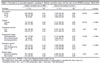
Table 1 presents the prevalence of sociodemographic variables of lifetime cannabis users and the rest of the SPMHS sample. There was a remarkably higher prevalence of younger (56.85%), male (72.38%), and not currently married (43.35%) respondents among those who reported lifetime cannabis use compared to the rest of the SPMHS sample. In contrast, there were higher levels of homemakers/retirees (28.41%) and individuals with low educational attainment (28.28%) in the rest of the sample.
| Lifetime cannabis use (n=496) | Rest of the sample (n=4,541) | |||||
|---|---|---|---|---|---|---|
| Variables | n┼ (%) | SE | n┼ (%) | SE | ?2 | p-value |
| Age (years) | ||||||
| 18-34 | 282 (56.85) | 0.52 | 1,559 (34.33) | 0.86 | 104.29 | < 0.0001 |
| 35-54 | 186 (37.50) | 0.34 | 1,974 (43.47) | 0.87 | ||
| = 55 | 28 (5.65) | 0.59 | 1,008 (22.20) | 0.60 | ||
| Gender | ||||||
| Female | 137 (27.62) | 0.29 | 2,713 (59.74) | 0.89 | 122.34 | < 0.0001 |
| Male | 359 (72.38) | 0.64 | 2,850 (40.26) | 0.62 | ||
| Household income╬ | ||||||
| Low | 240 (48.39) | 0.40 | 2,327 (51.24) | 0.95 | 0.02 | 0.89 |
| High | 256 (51.61) | 0.50 | 2,214 (48.76) | 0.54 | ||
| Employment status | ||||||
| Working/student | 367 (73.99) | 0.70 | 2,719 (59.88) | 0.82 | 116.56 | < 0.0001 |
| Homemaker/retired | 40 (8.06) | 0.13 | 1,290 (28.41) | 0.50 | ||
| Unemployed/other | 89 (17.94) | 0.28 | 532 (11.72) | 0.58 | ||
| Education (years) | ||||||
| Low (= 4) | 60 (12.10) | 0.19 | 1,284 (28.28) | 0.72 | 36.26 | < 0.0001 |
| Low-average (5-8) | 134 (27.02) | 0.28 | 1,128 (24.84) | 0.60 | ||
| High (= 9) | 302 (60.89) | 0.60 | 2,129 (46.88) | 0.93 | ||
| Marital status | ||||||
| Married/cohabiting | 281 (56.65) | 0.50 | 2,969 (65.38) | 0.78 | 6.83 | < 0.05 |
| Not married | 215 (43.35) | 0.48 | 1,575 (34.62) | 0.88 | ||
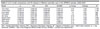
To determine the best number of latent classes, fit statistics of successive LCA models with an increasing number of classes were obtained (Table 2). A four-class model was determined to be the best fit. The BIC decreased from 6,094.68 for a three-class model to 5,868.67 in a four-class model before increasing in subsequent models (5,908.31 for the five-class model). Entropy was acceptable (> 0.8) for all the models except the six-class one. The six-class model had the highest value of LL and the lowest AIC. The five-class model had the lowest SSABIC. No model had a significant p-Vuong value. Considering the discordance among almost all the LCA indexes, the four-class model was chosen as the most parsimonious, based on the BIC as the most reliable index in cases like these.
| Model | LL | AIC | BIC | SSABIC | p-Vuong | Entropy | Df |
|---|---|---|---|---|---|---|---|
| Two-class | -2,938.14 | 5,934.29 | 6,056.28 | 5,964.23 | 0.24 | 0.82 | 1,169 |
| Three-class | -2,910.79 | 5,909.59 | 6,094.68 | 5,955.02 | 0.91 | 0.87 | 1,155 |
| Four-class | -2,763.65 | 5,637.31 | 5,868.67 | 5,694.09 | 1.0 | 0.81 | 903 |
| Five-class | -2,740.03 | 5,618.06 | 5,908.31 | 5,689.31 | 1.0 | 0.80 | 889 |
| Six-class | -2,724.50 | 5,614.99 | 5,964.15 | 5,700.01 | 0.76 | 0.75 | 876 |
| Seven-class | -2,816.65 | 5,841.31 | 6,278.78 | 5,948.68 | 0.77 | 0.80 | 1,095 |
| Eight-class | -2,805.42 | 5,848.84 | 6,349.42 | 5,971.71 | 0.79 | 0.83 | 1,079 |
| Nine-class | -2,790.87 | 5,849.75 | 6,413.43 | 5,988.11 | 0.77 | 0.87 | 1,065 |
| Ten-class | -2,776.89 | 5,851.51 | 6,478.58 | 6,005.65 | 0.76 | 0.84 | 1,050 |
AIC = Akaike information criterion; BIC = Bayesian information criterion; df = degrees of freedom; LCA = latent class analysis; LL = log-likelihood; SPMHS = São Paulo Megacity Mental Health Survey; SSABIC = sample-size-adjusted BIC.
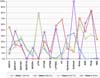
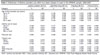
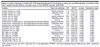
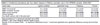
The following four classes emerged: Light/no problems; Light/other drug; Polydrug; and Former (Table 3 and Figure 1). Table 4 presents the sociodemographic correlates of such latent classes. Table 5 presents the conditional prevalence of WMH severity, clinical diseases, and health service visits per each latent class. No significant differences were found for clinical diseases and health service visits among the classes.

| Light/no problem (22.4%) | Light/other drug (46.7%) | Polydrug (26.2%) | Former (5.9%) | |||||
|---|---|---|---|---|---|---|---|---|
| Category | % | SE | % | SE | % | SE | % | SE |
| Age at first cannabis use (years) | ||||||||
| Up to 15 | 0.165 | 0.046 | 0.138 | 0.035 | 0.545 | 0.072 | 0.089 | 0.104 |
| 16-17 | 0.297 | 0.103 | 0.209 | 0.038 | 0.245 | 0.050 | 0.480 | 0.184 |
| 18-21 | 0.334 | 0.082 | 0.380 | 0.055 | 0.210 | 0.058 | 0.241 | 0.093 |
| 22-25 | 0.158 | 0.060 | 0.170 | 0.041 | 0.000 | 0.000 | 0.000 | 0.000 |
| 26 or older | 0.046 | 0.051 | 0.104 | 0.030 | 0.001 | 0.005 | 0.19 | 0.153 |
| Lifetime use (in days) | ||||||||
| Up to 5 | 0.789 | 0.074 | 0.777 | 0.047 | 0.000 | 0.000 | 0.011 | 0.084 |
| 6-230 | 0.168 | 0.075 | 0.202 | 0.044 | 0.298 | 0.066 | 0.469 | 0.190 |
| 231-900 | 0.031 | 0.034 | 0.021 | 0.015 | 0.127 | 0.049 | 0.000 | 0.000 |
| 900 or more | 0.013 | 0.012 | 0.000 | 0.000 | 0.575 | 0.079 | 0.52 | 0.213 |
| Past-year use | 0.096 | 0.041 | 0.048 | 0.022 | 0.677 | 0.057 | 0.000 | 0.000 |
| Tobacco use | ||||||||
| Never | 0.400 | 0.078 | 0.272 | 0.049 | 0.173 | 0.050 | 0.000 | 0.003 |
| Former | 0.442 | 0.111 | 0.131 | 0.037 | 0.126 | 0.037 | 1.000 | 0.003 |
| Current | 0.158 | 0.128 | 0.597 | 0.049 | 0.702 | 0.051 | 0.000 | 0.000 |
| AUD | 0.000 | 0.000 | 0.350 | 0.059 | 0.475 | 0.058 | 0.618 | 0.168 |
| Other drug use | 0.000 | 0.000 | 0.414 | 0.066 | 0.830 | 0.038 | 0.822 | 0.106 |
| HED | 0.010 | 0.046 | 0.366 | 0.054 | 0.341 | 0.055 | 0.000 | 0.000 |
AUD = alcohol use disorder; HED = heavy episodic drinking; SE = standard error; SPMHS = São Paulo Megacity Mental Health Survey.
| Variable | Class (ref: polydrug) | OR | 95%CI | p-value | Corrected p-value |
|---|---|---|---|---|---|
| Gender: female (vs. male) | Light/no problems | 1.12 | 0.52-2.41 | 0.756 | 0.900 |
| Gender: female (vs. male) | Light/other drug | 1.42 | 1.10-1.83 | 0.015 | 0.040 |
| Gender: female (vs. male) | Former | 2.1 | 0.49-9.12 | 0.328 | 0.450 |
| Income: low (vs. high) | Light/no problems | 0.92 | 0.17-5.08 | 0.928 | 0.980 |
| Income: low (vs. high) | Light/other drug | 1.01 | 0.40-2.56 | 0.980 | 0.980 |
| Income: low (vs. high) | Former | 2.77 | 0.83-9.19 | 0.106 | 0.220 |
| Employment: unemployed (vs. working/student/homemaker/retired) | Light/no problems | 4.26 | 0.85-21.4 | 0.080 | 0.160 |
| Employment: unemployed (vs. working/student/homemaker/retired) | Light/other drug | 4.53 | 1.36-15.2 | 0.002 | 0.010 |
| Employment: unemployed (vs. working/student/homemaker/retired) | Former | 2.85 | 0.49-16.4 | 0.240 | 0.360 |
| Education: low (vs. high) | Light/no problems | 2.71 | 0.44-16.6 | 0.280 | 0.390 |
| Education: low (vs. high) | Light/other drug | 1.57 | 0.43-5.66 | 0.460 | 0.600 |
| Education: low (vs. high) | Former | 3.52 | 0.53-23.2 | 0.190 | 0.320 |
| SD: high (vs. not high) | Light/no problems | 0.94 | 0.32-2.79 | 0.910 | 0.980 |
| SD: high (vs. not high) | Light/other drug | 1.63 | 0.43-6.12 | 0.460 | 0.600 |
| SD: high (vs. not high) | Former | 5.17 | 1.35-19.7 | 0.003 | 0.010 |
| Parental SUD: yes (vs. no) | Light/no problems | 4.02 | 0.79-20.3 | 0.090 | 0.160 |
| Parental SUD: yes (vs. no) | Light/other drug | 2.44 | 0.65-9.09 | 0.190 | 0.320 |
| Parental SUD: Yes (vs. no) | Former class | 0.89 | 0.05-13.9 | 0.940 | 0.980 |
FDR = false discovery rate; OR = odds ratio; SD = social deprivation; SPMHS = São Paulo Megacity Mental Health Survey; SUD = substance use disorder.
| Latent class | Light/no problem | Light/other drug | Polydrug | Former |
|---|---|---|---|---|
| WMH mild severity┼ | 12.1 (0.02) | 14.2 (0.03) | 14.5 (0.03) | 6.0 (0.04) |
| WMH moderate severity┼ | 14.2 (0.02) | 6.3 (0.02) | 7.8 (0.02) | 9.0 (0.05) |
| WMH severe severity╬ | 56.3 (0.04) | 46.3 (0.05) | 70.4 (0.04) | 65.7 (0.08) |
| Clinical disease┼ | 63.3 (0.04) | 59.4 (0.05) | 62.2 (0.04) | 75.5 (0.08) |
| Any health service visit in the past year┼ | 78.8 (0.03) | 84.5 (0.03) | 82.6 (0.03) | 86.8 (0.06) |
Data presented as % (linearized standard error [SE]).
SPMHS = São Paulo Megacity Mental Health Survey.
Results of the chi-square tests: ┼ no significant differences found; ╬ overall test significant plus significant difference among the first three classes.
The Light/no problem class (nearly a quarter of the participants) was composed of lifetime cannabis users without further use or problems, with most individuals reporting using cannabis up to five times during their lifetime, first use around 18 to 21 years old, no cannabis use in the past year, no current tobacco or other drug use, no HED, and no AUD. No sociodemographic correlates were found for this class.
Making up almost half of the sample, the Light/other drug class consisted of participants with positive use for cannabis without current use, but with alcohol-related problems. Most participants reported using cannabis up to five times and a late age of experimentation (first of use at age 18 or older and no use in the past year). However, these individuals endorsed elevated frequencies of tobacco use (80% were current smokers) and approximately 40% reported other drug use, HED, and AUD. Evidence for associations between this latent class and sociodemographic correlates was found. Namely, this class was associated with female gender and unemployment/other when compared to the polydrug class. The lowest level of WMH severe severity was found in this class (46.3%, standard error [SE] = 0.05).
The Former class, which was composed of participants who were former cannabis and tobacco users, was the smallest (5.9% of the sample). Most participants reported somewhat early experimentation with cannabis (around 16-17 years old), with a high lifetime frequency of cannabis use (peaks in the 231-900 days and 900+ days categories) but denied consumption in the past year. All were former smokers, and none reported past-year HED. However, more than 60% of these individuals reported AUD. Moreover, the vast majority reported other drug use (82.2%). SD predicted this class in the regression model, compared to those in the polydrug class. No differences with the other classes regarding WMH severity was found.
Approximately a quarter of the sample was included in the polydrug class (26.2%). This class consisted of current, frequent cannabis users, with participants reporting using 230 times or more during their lifetime and endorsing the earliest age of experimentation (first use before age 17 years). Most members of this class reported using cannabis in the past year. This class also had the highest frequencies of current tobacco and other drug use, HED, and AUD. Finally, the highest prevalence of WMH severe severity was found in this class (70.4%, SE = 0.04). This was the reference class for the sociodemographic logistic regression models. It was associated with the reference categories of gender (male), employment status (working/student/homemaker/retired), and SD (not high) when compared to the Light/other drug (gender and employment) and Former classes (SD).
The two light cannabis use classes (Light/no problem and Light/other drugs) comprised approximately 70% of all users. Most of these users reported having initiated cannabis use at an advanced age (18 or older) and having used the drug on an occasional basis (up to five times), without current use. A quarter of the participants (22.4%) were classified as belonging to the Light/no problem category. This group was characterized by a later AOO of cannabis use and a history of sporadic cannabis consumption, with no current use of tobacco or other drugs, and no history of heavy drinking or AUD. Conversely, most users in the light classes exhibited notable other substance use or hazardous drinking, such as heavy drinking or AUD (endorsed by 46.7% of those in the Light/other drug class).
DISCUSSION
Cannabis use subtypes and phenotypes
To the best of our knowledge, this is the first study to assess the typology of individuals who used cannabis and associated phenotypes in relation to other drug use, employing LCA analyses, within a representative population sample in Brazil. This study's identification of four distinct subtypes of people who used cannabis - Light/no problem, Light/other drug, Polydrug, and Former - is similar to that of other studies27,28 and offers a nuanced perspective on cannabis use patterns in Brazil. The findings corroborate and extend previous research which has demonstrated the existence of heterogeneity in cannabis use trajectories.20,22,29 In contrast with studies that have demonstrated a discernible progression from minimal to more substantial use, our results indicate less straightforward trajectories, which reflects the complexity of these behaviors across culture, time, and population.
The substantial number of individuals in the Light/other drug category underscores the importance of examining co-occurring substance use, a crucial aspect that is frequently overlooked in analyses that focus exclusively on cannabis. As has been observed in this study, even occasional cannabis use during adolescence and early adulthood has been demonstrated to be associated with an increased risk of later alcohol and tobacco dependence and other drug use.48 This emphasizes the necessity for interventions to be more comprehensive rather than target cannabis use alone, and to acknowledge the complex interplay of various substances. The Polydrug and Former classes, which were characterized by early onset, high frequency, and substantial co-morbidity, underscore the potential for severe consequences associated with problematic cannabis use. The small size of the Former class warrants further investigation into the factors leading to cessation and long-term outcomes. The two lightest use classes were distinguished phenotypically by their use of, and problems related to, other substances. The Light/other drug class exhibited elevated frequencies of tobacco use, other drug use, and alcohol-related problems (HED and AUD). Although many individuals use cannabis infrequently and without problematic consequences, heavy alcohol intake and use of tobacco and other drugs potentially expose these users to several chronic conditions, particularly inflammatory diseases, mental health problems such as AUD, and all-cause mortality.49,50 Furthermore, one-third of all people who used cannabis were current or former heavy users, respectively concentrated in the Polydrug and Former classes. These classes were identified by the highest lifetime frequency and the earliest AOO of cannabis use. Such classes were disproportionately associated with a range of harms, including the use of other drugs, tobacco, harmful drinking, and AUDs, as well as with a severe level of impairment on the WMH Sheehan Severity Scale. These patterns of heavy cannabis use are consistent with the existing literature, which indicates that over one-third of individuals who use cannabis may meet the DSM-IV criteria for a diagnosis of cannabis abuse or dependence over the course of their lifetime.50 Additionally, the association with HED, AUD, tobacco, and other drug use provides further insight into the problematic patterns of cannabis use that have traditionally been associated with high frequency (near-daily or daily)28,51 or early onset of cannabis use.5,24,29,50 Although the association of polydrug use with harm is well established in the literature,52,53 our study provides insight into a concerning profile of individuals who use cannabis and encourages further research on the trajectories of cannabis use in LMIC. Recent studies have demonstrated that individuals who use multiple drugs exhibit significantly elevated risk for developing a substance use disorder, with a cumulative incidence exceeding 10%, when compared to those who use cannabis exclusively.19 The characterization of polydrug use trajectories will facilitate the identification of specific risk factors associated with patterns of cannabis use and associated health consequences.
In general, among those who consume cannabis heavily, a distinction was made in terms of current use of cannabis and tobacco. A small proportion was likely abstaining from these substances due to the negative consequences associated with their use. It is already established that the early onset of cannabis use is a predictor of subsequent drug-related problems.19 However, this study provides evidence of an association with other drug use, HED, and AUD. This is a particularly concerning phenomenon in Brazil, where almost 40% of individuals who use cannabis exhibit signs of dependence, a proportion which appears to be higher among those with a history of SUD.54 Our findings also indicate that 13.8% of Brazilian college students are past-year users. When the transitions from the first use of a drug to the first use of another drug were analyzed, it was observed that cannabis was used prior to several other drugs. Conversely, the opposite pattern was not identified.55,56
Sociodemographic correlates and contextual factors
The relationship between sociodemographic factors and different patterns of cannabis use also merits further investigation, particularly the disproportionate representation of women in the Light/other drug category (almost half of the sample) and the association between unemployment/other employment status and cannabis use. Potential explanations for this phenomenon include elevated stress levels, limited access to support services, and differential social stigma surrounding substance use. Women who used cannabis frequently reported HED, which is consistent with the last Global Status Report on Alcohol and Health 201835 showing a worldwide decrease in the HED prevalence and an increase in Brazil.15,40,41 The Polydrug class was found to be associated with male gender (in line with previous studies57,58), employment status (working/student/homemaker/retired), and low SD.50 Similarly, the relationship between SD and the former class suggests the potential influence of neighborhood-level factors on patterns of cannabis use.
It is important to note that those in the Former class exhibited area-level neighborhood characteristics that reflected social disadvantage. Residing in more deprived areas was linked to past heavy cannabis use, current other drug use, heavy drinking, and alcohol-related disturbances. Globally, significant social and contextual factors that increase the probability of initiating cannabis use include the early consumption of tobacco and alcohol.22,24,53 While we are unable to infer causality, it is plausible that individuals residing in disadvantaged neighborhoods, characterized by social exclusion and deprivation, may be more susceptible to stress, possess fewer coping resources, and experience various forms of violence and adversity.59 Additionally, the high density of alcohol and other drug outlets60-64 may contribute to the prevalence of substance use in these communities. Further research could examine the influence of access to substances, social support networks, and community-level interventions on the formation of these patterns.
Clinical outcomes and health implications
As cannabis control regimes are evolving in different countries,36 there is a need for a more nuanced understanding of the Brazilian context regarding cannabis use and associated risks, with a view to reducing health and non-health hazards.
The findings of the present study highlight a significant correlation between problematic cannabis use (Polydrug and Former classes) and an increased risk of mental health and other health issues. The elevated levels of severe level of impairment on the WMH scale within these groups indicate a need for targeted interventions that address both mental health and SUDs. This result is consistent with a substantial body of literature indicating a correlation between cannabis consumption, particularly during the early stages and at high levels, and an array of mental health concerns.20,22,29
The present study identified distinct groups of individuals who used cannabis and established associations between differential risk and harm outcomes. The Polydrug class exhibited the highest WMH severity index, which is consistent with the early AOO and high frequency of cannabis use, in addition to high rates of other substances use and problems. The second highest WMH severity score was observed in the Former class, who had been abstinent from both cannabis and tobacco use over the past year, but still reported use of other drugs. The WMH severity score serves as a supplemental indicator of the more problematic use patterns observed in these groups, as measured by the presence of specific disorders, clinical conditions, and care-seeking (both mental and non-mental health) reported by the study subjects. Research on patterns of cannabis consumption from 1992 to 202010 indicate a significant increase in the prevalence of daily, monthly, and past-year users. In particular, the number of individuals using cannabis daily increased 14-fold, monthly users quadrupled, and past-year users tripled. In light of these observations, it is imperative to consider the potential implications of cannabis consumption in Brazil, particularly in relation to the major social and contextual factors that may contribute to its initiation. It is noteworthy that alcohol consumption at an early age is a prevalent phenomenon in our country, as shown by previous studies.49,65
Some commentary on the trends of perceived harmfulness of cannabis use is warranted. Epidemiological evidence indicates that the perceived harmfulness of cannabis among young people began to decline as early as 1991, well before the enactment of medical cannabis legislation in other jurisdictions.19 It is not possible to infer such a phenomenon in Brazil. Cannabis use is either perceived as extremely dangerous for individuals and their families, due to the belief that it always leads to dependence and/or other negative consequences,66,67 or it is seen as safe and harmless, particularly among the youngest, who are influenced by information that lacks scientific backing. The findings of the present study indicate that early cannabis use is associated with adverse health outcomes, HED, and AUD. This aligns with prior research suggesting that individuals who co-use cannabis and alcohol are more likely to experience negative consequences from drinking, which in turn predicts a greater likelihood of experiencing additional consequences.68 It is notable that Brazilian adolescents are embedded in a drinking culture typified by elevated alcohol consumption per occasion. Indeed, 10-20% of Brazilian students have experienced at least one episode of HED in the past month.69,70 This underscores the imperative for prevention programs tailored to this population and addressing the combined use of multiple substances, including alcohol, tobacco, and cannabis. The earlier the onset of cannabis use, the greater the risk of developing SUD. This is because HED is a significant risk factor for the early onset of cannabis use.71
The situation is made even more concerning by accumulating evidence from the literature that increases in the frequency of cannabis use by an individual are specifically associated with increases in some of the more severe types of alcohol-related consequences.70 While the literature regarding concurrent use of alcohol and cannabis presents evidence to support both hypotheses of cannabis acting as a substitute (a replacement for alcohol effects, leading to a decreased use) or a complement (an enhancer of alcohol effects, resulting in increased use), the mechanisms for the impact of cannabis use on alcohol-related outcomes remain unclear.72 Nevertheless, discussions about the health consequences related to changes in the legal status of cannabis represent one of the most significant global topics in this field of study.73 In Brazil, this discussion has recently intensified and remains a point of contention. Health professionals express concern about potential increases in cannabis consumption among young people,74 while those in the criminal justice system advocate for decriminalization and regulation of social use, citing the country's alarming prison situation, which ranks among the worst in the world, second only to China and the United States.75
The present study identified distinct user profiles characterized by differences in a wide range of traits. Not only those who initiated cannabis use at an early age or at a high frequency can be considered problematic users; those who consume other drugs and have negative consequences related to heavy drinking and AUD are also included in this category. Those with greater SD are at an increased risk of developing problematic use patterns. In this context, it seems unlikely that a single approach to interventions targeting cannabis use would prove sufficient. Even a punitive approach would be inadequate for addressing this important and complex topic. The implementation of punitive policies towards the possession and use of other substances has been observed to have a limited impact on national rates of illegal drug use. Moreover, an appropriate public health framework for reducing the early and frequent use of cannabis and other drugs could be achieved by targeting effective interventions at the 30% of users who experience particularly high levels of risks and harms, as well as the increased health risks associated with the combined use of other drugs.73,76
In considering the regulation of cannabis in Brazil, the discussion should take the recommendations set forth for the control of alcohol77,78 and tobacco79 into account. These recommendations include delaying first use of these substances, banning their use in public spaces, and establishing driving-under-the-influence prohibitions. Additionally, the discussion should address advertising bans, restrictions on the types of products, flavors, or additives used, and the 10 target areas proposed by the WHO to reduce the harmful use of alcohol.35 Moreover, it is crucial to consider the diverse range of experiences and models that have been implemented in other global settings.80 Such examples undoubtedly serve as valuable points of reference, providing a framework for contextualization and potential adaptations to the unique realities present in Brazil.
The lack of conspicuous discrepancies in the prevalence of clinical disorders and healthcare utilization across socioeconomic groups suggests that the impact of cannabis consumption on overall health status may be relatively limited. A more detailed analysis is required to elucidate the relationship between heavy cannabis use, problematic use patterns, and utilization of health services. Further research employing longitudinal study designs is required to elucidate the relationship between cannabis use patterns and subsequent health outcomes.
This study has limitations which must be addressed. One limitation that certainly may have affected our estimates, but not necessarily a source of bias with respect to estimated associations with other variables, is the level of underestimation of cannabis and other illegal drug use (and perhaps alcohol and tobacco use).9 Social stigma and legal practices in Brazil might affect self-reported cannabis use. Attempts were made to ensure that truthful, honest answers were provided by participants in these surveys in four major ways: interviewers were thoroughly trained and supervised throughout data collection; privacy and confidentiality were strictly maintained; the WMH-CIDI instrument was culturally adapted and validated for use in Brazil; and participants provided informed consent after receiving clear explanations of the study's scientific purpose and public health relevance. Additionally, the data were collected between 2005 and 2007, which introduces temporal limitations, as patterns of substance use, social norms, and policies may have evolved since then.
Retrospective reporting of age of first drug use may be subject to error, given that respondents are being asked about events that, for older persons, may have occurred decades ago. It is unlikely that response or other biases completely account for the strong trends observed here. In this study, there were contrasting cohort trends across different drug subtypes, suggesting that a pattern of "forgetting" did not apply.
Previous research has found that earlier and heavier cannabis use in terms of frequency are associated with later problematic drug use/dependence,81 and by studying patterns of cannabis use and phenotypes in relation to use of other drugs, this paper has shown that use of other substances would predispose individuals towards cannabis use problems. Therefore, one limitation is that age at onset of use and problematic use of other substances were not considered herein. A stage-sequential approach to study cannabis use in Brazil in the future may clarify such findings.
We have not found any association between cannabis use classes and substance use and disorders among parents. However, future studies should include other indicators in the latent profile analysis,82,83 such as poor quality of parent-child relationships, as parental conflict has been found to increase the risk of alcohol and other drug use during adolescence.48,53 Evidence from genetic epidemiology also corroborates the role of inherited predispositions towards use of other drugs and related dependence84 and improves understanding of problematic/heavy polydrug use and mutual characteristics.85
Other major limitations - shared by other studies in this field - are that it is impossible to adequately measure all plausible confounders and fully control for the effects of such variables. Thus, more studies are necessary to better understand such aspects as genetic factors, variables that might influence the vulnerability to cannabis use initiation, problematic use, and its trajectories,53,86 environmental influences (family environment, prenatal influences, parental style, and socioeconomic status), and recent trends regarding cannabis use, including the increasing D-9-tetrahydro-cannabinol (THC) content of cannabis and the increased popularity of water-pipes or bongs, which permit the delivery of large bolus doses of THC.5,87,88
While the absence of a clear progression pattern in terms of age of first use and frequency indicators was observed, this is likely due to the cross-sectional nature of our dataset. Methods such as latent growth analysis (LGA) or growth mixture models (GMM) could provide insights into developmental trajectories. However, these approaches require longitudinal data, which was not available for this study. Future research applying these methods could further refine our understanding of cannabis use patterns over time.
This study provides novel epidemiologic data on cannabis use patterns and associated phenotypes in a representative sample from the SPMHS. It revealed distinct latent classes of cannabis users, with the earliest age of first use and highest frequency of use disproportionately linked to harms, including other drug use, tobacco use, HED, and AUD. These findings emphasize the need for greater attention to the public health impacts of cannabis use in Brazil, particularly among young adults, and the associated risks of other substance use. A health-centered policy approach - prioritizing prevention, treatment, and public education over punitive measures - offers a more effective path to mitigate the harms of cannabis use and promote the health and dignity of individuals and communities. Future research is essential to monitor trends, assess treatment demands, and refine interventions to address cannabis-related problems in Brazil and other LMICs.
ACKNOWLEDGEMENTS
The São Paulo Megacity Mental Health Survey (SPMHS) was funded by the Fundação de Amparo à Pesquisa do Estado de São Paulo (FAPESP; 03/00204-3) and the Conselho Nacional de Desenvolvimento Científico e Tecnológico (CNPq; 307623/2013-0). The SPMHS was carried out in conjunction with the World Health Organization World Mental Health (WMH). The main coordination center activities, at Harvard University, were supported by the United States National Institutes of Mental Health (NIMH; R01-MH070884), the John D. and Catherine T. MacArthur Foundation, the Pfizer Foundation, and the U.S. Public Health Service (R13-MH066849, R01-MH069864, and R01-DA016558), as well as by the Fogarty International Center (FIRCA; R03-TW006481), the Pan American Health Organization (PAHO), the Eli Lilly and Company Foundation, Ortho-McNeil Pharmaceutical, GlaxoSmithKline, Bristol-Myers Squibb, and Shire. A complete list of WMH publications can be found at http://www.hcp.med.harvard.edu/wmh/. The present study received financial support from FAPESP (grants 11/50517-4 and 12/01280-4). None of the sponsors had any role in the design, analysis, interpretation of results, or preparation of this paper.
We thank the SPMHS staff members Beatriz Margarita Adler, Marlene Galativicis Teixeira, Indaia de Santana Bassani, and Fidel Beraldi. Thanks also are due to the WMH staff for assistance with instrumentation, fieldwork, and data analysis.
 PDF
 Print
 Send this article by email
 How to cite this article
 Submit a comment
 Mendeley
 Pocket
 Share on Facebook
 Share on Twitter



