



| Received: April 10 2023; Accepted: April 24 2023 |
On April 5, 2023, Brazilians were shocked by a national tragedy. Four children (3 boys and 1 girl) between the ages of 4 and 7 were brutally murdered by a hatchet-wielding 25-year-old man who broke into a kindergarten in Blumenau, Santa Catarina. Another five children were injured in the attack.1 A few days earlier (March 27), a 13-year-old boy killed a 71-year-old school teacher and injured five other people (two students and three teachers) with a knife in a public school in the city of São Paulo. According to the police, the attacker was a student at that school and had previously announced the attack on social media.2
The term mass murder usually denotes violent acts that culminate in the deaths of three or more individuals in the same event, whereas serial killers murder multiple victims in distinct events.3-5 In mass shootings, a subtype of mass murder, the perpetrator(s) uses firearms during the incident.4
In addition to the direct victims of these attacks, mass murders have long-term adverse effects on the communities in which they occur, being associated with posttraumatic stress disorder, depression, and other psychiatric symptoms.6
The perpetrators of these attacks are often young males (< 30 years of age) without prior diagnosis of a severe psychiatric condition (such as psychosis) who are searching for fame and attention, are influenced on some level by similar attackers, and who carefully plan the attack to maximize the number of victims.7,8 Sexual frustration has also been associated with mass murders, mainly after the emergence of the incel online subculture, with forum members engaging in similar incidents.9,10 It is not uncommon that the perpetrator commits suicide after the attack.8
The incidence of mass murders and mass shootings has been increasing over the past 30-40 years in the USA and they have grown increasingly deadly.7,11 Although we lack data to investigate this trend in Brazil, it is likely that such attacks are becoming more common in our country as well. For instance, a globalization of mass shootings has been documented, involving similar characteristics and methods to American perpetrators.12
It seems that Internet forums and social media play an important role in these events. For instance, several previous attacks around the world have been announced or broadcasted on social media. On specific Internet forums, individuals interested in similar violent acts can learn about strategies and technical aspects before enacting their plans.13 Some of these internet forums and social media pages spread conspiracy-theories, fake news, extremist propaganda, and hate speech, which could help radicalize individuals and promote similar attacks.10,13
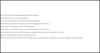
The role of media coverage in the aftermath of mass murders is also relevant. In several cases, detailed descriptions of the events provide technical information for those who are planning similar acts. In addition, intensive and excessive description of the perpetrators may unintentionally promote their social status and fame.13,14 All this could promote imitation of the behavior and a contagion effect after a mass murder.13,14 In light of this, several recommendations have been made for more responsible media coverage of such events, as shown in Box 1.14-16 After the Blumenau tragedy, some newspapers were careful not to publish information about the perpetrator, including personal data, photos, or videos that could lead to the glorification and spread of the phenomenon.1,17
|
Although mass murders are a difficult phenomenon to study and to prevent, there is preliminary evidence that these attacks are carefully premeditated, involving intensive studying and planning (taking years in some cases), and require the acquisition of powerful weapons and equipment to maximize casualties.7 Thus, warning signs exist during the planning stage, and this period may offer a window of opportunity to prevent these violent events.13
Even though the motives and factors associated with these two tragic events have not yet been fully investigated by the police, they serve as an active reminder that this is not only a forensic issue but a public health problem as well.1,2 The need for further scientific investigation is urgent, in addition to some sort of regulatory and active control of Internet forums and social media pages that spread such content.13 It is also essential for healthcare professionals and law enforcement agents to be aware of potential warning signs during the planning stage, which could ultimately help prevent similar events in the future.
 PDF
 Print
 Send this article by email
 How to cite this article
 Submit a comment
 Mendeley
 Pocket
 Share on Facebook
 Share on Twitter