



ABSTRACT:
OBJECTIVE: The mental health problems and perceived needs of healthcare workers involved with
coronavirus disease (COVID-19) may vary due to individual and contextual characteristics.
The objective of this study was to evaluate healthcare workers' mental health problems
during the common COVID-19 exposure scenario in Mexico, comparing those on the frontline
with other healthcare workers according to gender and profession, determining the
main risk factors for the most frequent mental health problems.
METHODS: A cross-sectional online study was conducted with a non-probabilistic sample of 5,938
Mexican healthcare workers who completed brief screening measures of mental health
problems and ad hoc questions about sociodemographic professional characteristics, conditions related
to increased risk of COVID-19 infection, life stressors during the COVID-19 emergency,
and perceived need to cope with COVID-19.
RESULTS: The identified mental health problems were insomnia, depression, and posttraumatic
stress disorder (PTSD), all of which were more frequent in frontline healthcare workers
(52.1, 37.7, and 37.5%, respectively) and women (47.1, 33.0 %, and 16.3%, respectively).
A lack of rest time was the main risk factor for insomnia (OR = 3.1, 95%CI 2.6-3.7,
p = 0.0001). Mourning the death of friends or loved ones due to COVID-19 was the main
risk factor for depression (OR = 2.2, 95%CI 1.8-2.7, p = 0.0001), and personal COVID-19
status was the main risk factor for PTSD (OR = 2.2, 95%CI 1.7-2.9, p = 0.0001).
CONCLUSION: The most frequent mental health problems during the common exposure scenario for COVID-19
in Mexico included the short-term psychological consequences of intense adversity.
A comprehensive strategy for preventing mental health problems should focus on individuals
with cumulative vulnerability and specific risk factors.
Keywords: Risk factors; mental disorders; healthcare workers; COVID-19; Mexico.
| Received: July 17 2020; Accepted: October 16 2020 |
INTRODUCTION
The coronavirus disease (COVID-19) pandemic poses an unprecedented threat to global mental health.1 One of the most severely affected population groups is healthcare workers (HCWs). Specific mental health problems (MHPs) have been found in HCWs during the COVID-19 pandemic in China2-7 and the first affected high-income countries.8 Although concern has been expressed,9 little has been reported about the particular mental health consequences of COVID-19 for HCWs from low- and middle-income countries. The most frequently reported short-term MHPs in COVID-19 HCWs are depression,2,3,5-8 generalized anxiety,2,4,6-8 insomnia2,3 and posttraumatic stress disorder (PTSD).2,5 The main medium- and long-term MHPs include the consequences of sustained distress (e.g. burnout) among individuals who work intensively to help people who are experiencing enormous suffering. However, many HCWs involved with COVID-19 have been reluctant to participate in the psychological interventions, claiming that they have a greater need for protective equipment, training, and/or specialized personnel to deal with critically ill, uncooperative or anxious patients, as well as more uninterrupted rest time.10
Since the likelihood of MHP onset in moments of extreme adversity is intrinsically linked to ethnic/racial factors, socioeconomic status, and gender,11,12 some variations are to be expected in the type and frequency of disorders in different countries, as well as between male and female HCWs. For example, in certain contexts, including low- and middle-income countries with high rates of social violence (such as Mexico), the situation could be exacerbated by severe aggression against HCWs,13 especially women, who are also more often victims of collective and domestic violence than men and thus are particularly susceptible to both acute and chronic PTSD.14 Moreover, the needs of HCWs are often related to mechanisms for dealing with hostile or agitated patients.
Likewise, somatization and increased psychoactive substance use may be frequent MHPs in HCWs from Latin-American countries, where physical symptoms are known to be part of the cultural pattern of emotional distress15-18 and high-risk alcohol consumption has been observed, mostly in men.19
In order to strengthen Mexico's National Mental Health System by identifying the presence of MHPs and evaluating COVID-19 coping strategies among HCWs, the Ministry of Health, in collaboration with the Universidad Nacional Autónoma de México, developed a brief remote evaluation tool for use on its website during the epidemic.
This is the first Mexican evaluation to be performed from the beginning to the end of the COVID-19 case cluster transmission scenario, which is defined by the World Health Organization as when a country experiences cases clusters in time, geographic location, or common exposure,20 just prior to the community transmission phase of the epidemic. Accordingly, we hypothesized that the most frequent MHPs and COVID-19 coping needs would be present and require attention in the short-term. We also compared all the MHPs and coping needs of frontline and other HCWs according to gender and profession. Finally, we analyzed the relationship between each MHP with sociodemographic characteristics, variables related to an increased risk of COVID-19 infection or complication, life stressors during the pandemic, and the need for rest.
METHODS
A cross-sectional evaluation of Mexican HCWs was undertaken between April 17 and May 7, 2020.
Variables and measures
The evaluation consisted of three sections. The first was a self-report on sociodemographic and professional characteristics (gender, current age, marital status, education, profession, and location), conditions related to increased risk of COVID-19 infection (personal COVID-19 status, COVID-19 status among friends or relatives, type of employing institution, whether or not the respondent is a frontline HCW), and life stressors during the COVID-19 emergency (mourning the death of friends or loved ones due to COVID-19, caring for a person vulnerable to COVID-19 over the age of 65 or with a chronic disease, caring for one's own children, and domestic violence).
The second section was a compilation of the following screening measures: 1) the PTSD Checklist for DSM-521,22 which also assessed problems falling or staying asleep; 2) the Physician Well-Being Index, in which scores = 4 in medical students and = 5 in graduate doctors indicate a high risk of burnout23-25; 3) the 5-item Anxiety Scale from the field study for ICD-11 PHC, in which a total score = 3 predicted 89.6% of above-threshold cases of generalized anxiety26; 4) the first eight items from the SSOM Current Status Assessment Questionnaire, a self-report measure used to identify somatoform disorders27,28; and 5) the Patient Health Questionnaire-2, an accurate, ultra-brief screening tool for depression,29,30 whose recommended cut-off is a score = 3.31
Dichotomous variables (yes/no) included: 1) suicidal thoughts, based on the field study for ICD-11 PHC26 (In the past month, have you felt that you wanted to die, or thought about being dead?); 2) alcohol use (In the past month, have you had five or more beers, five or more glasses of wine, five or more drinks of alcohol, or five or more cocktails in less than two hours?); 3) increased tobacco use (In the past month, have you started, restarted, or increased your tobacco use?); and 4) use of other drugs for non-medical reasons (In the past month, have you used any substance [marijuana, benzodiazepines, cocaine, amphetamines, opiates, etc.] to feel better?).
Finally, the third section was designed to evaluate the COVID-19 coping needs of HCWs using 13 ad hoc and independent items answered according to a five-point Likert scale (0 = not at all to 4 = extremely). Specific items are shown below.
Procedures and data analysis
HCWs were invited to participate in the survey through official media (such as the federal government's microsite [http://www.coronavirus.gob.mx/salud-mental/], social networks [including Facebook and Twitter] press conferences, and the National Institute of Psychiatry's website and social networks). At the beginning of the survey, HCWs signed an informed consent form to participate in the study. At the end of the survey, the participants received brief personal feedback, including specific contact information for specialized treatment at virtual clinics if required.
All analyses were performed in SPSS version 21. First, descriptive statistics were used to characterize the sample and describe the MHPs and COVID-19 coping needs (mean and standard deviation [SD] to describe age as a continuous variable, and frequencies and percentages to summarize categorical variables, including age as a dichotomized variable in accordance with the mean value obtained from the whole sample). The second specific aim of the study, the frequency of HCW problems, was assessed by comparing the following variables with Chi-square tests: i) those who did and did not work at a COVID-19 center; ii) frontline (i.e., those who treat treated COVID-19 patients) and non-frontline HCWs at COVID-19 centers ; iii) men and women; and iv) individuals in different professions. For the latter analysis, we compared the profession with the highest frequency of response with the remaining professions combined into a single group. Alpha values were considered significant at p = 0.05.
Finally, we analyzed the relationship between the most frequent MHPs (insomnia, depression, and PTSD) and the sample characteristics, given their potential effect on mental health status among HCWs. Initially, chi-square tests were used for bivariate analyses to identify possible predictors of the most frequent MHP. More specifically, variables that reached at least p = 0.01 in the bivariate analyses were included in a conceptual model with three hierarchies for the multivariate regression analysis of each MHP: sociodemographic and professional characteristics (gender [women vs. men], age [= 39 vs. = 40 years old], marital status [single vs. partnered], education [bachelor's degree or less vs. graduate degrees], profession [medicine or psychology undergraduate students vs. professional HCWs], location [metropolitan area vs. other states]); conditions related to increased risk of COVID-19 infection (personal COVID-19 status [suspected or confirmed case vs. no symptoms], COVID-19 status among friends and relatives [suspected or confirmed case vs. no symptoms], HCW institution type [COVID-19 center vs. non COVID-19 center], frontline HCWs [yes vs. no]); and life stressors during the pandemic (mourning the death of friends or loved due to COVID-19 [yes vs. no], caring for a person over the age of 65 [yes vs. no], or with a chronic disease [yes vs. no], caring for one's own children [yes vs. no], and domestic violence [yes vs. no]). For insomnia, the need for more rest time (yes [including a lot and extremely] vs. no [including: not at all, slightly and moderately]) was also included also as a possible predictor.
The variables identified in the bivariate analyses were all introduced as possible predictors of each of the outcome variables (MHPs - insomnia, depression, and PTSD). A backward elimination process was then employed to identify the most explanatory calibrated regression model, while the Hosmer-Lemeshow test was used to determine the model's goodness of fit. The variables eliminated at each step of the backward elimination process are identified in the results section. P-values = 0.05 (Wald chi-square, degrees of freedom [df] = 1) were considered statistically significant. The best calibrated model is presented as the final regression model for each MHP. Odds ratios (ORs) with 95% confidence intervals (95%CI) and p-values for each MHP are reported.
Ethics statement
All study procedures and materials were previously approved by the institutional review board of the Instituto Nacional de Psiquiatría Ramón de la Fuente Muñiz, Ministry of Health, Mexico City, Mexico. All HCWs provided informed consent before participating in the study.
RESULTS
The sample consisted of 5,938 Mexican HCWs. Table 1 provides a description of their sociodemographic and professional characteristics, conditions related to increased risk of infection from COVID-19 or complications, and life stressors during the pandemic. According to the most recent report of the Mexican Ministry of Health,32 in 2018 public healthcare resources included 95,962 general practitioners, family doctors and medical residents, 144,784 general nurses and 94,603 medical specialists. Thus, our study included approximately one percent of each of these groups of HCWs (0.98, 0.82, and 1.1, respectively).
| Variable | Result |
|---|---|
| Sociodemographic characteristics | |
| Gender (female) | 4,420 (74.4) |
| Age (years), mean ± SD | 39.6±11.9 |
| = 39 | 3,108 (52.3) |
| = 40 | 2,839 (47.7) |
| Marital status | |
| Single | 3,217 (54.2) |
| Partnered | 2,721 (45.8) |
| Education | |
| Bachelor's degree or less | 3,521 (59.3) |
| Graduate degree | 2,417 (40.7) |
| Location | |
| Metropolitan area* | 2,509 (42.3) |
| Other states | 3,429 (57.7) |
| Profession | |
| Undergraduate HCWs┼ | 781 (13.2) |
| Professional HCWs | |
| General practitioner, family doctor, or medical specialty resident | 944 (15.9) |
| Medical specialist | 1,050 (17.7) |
| Nurse | 1,184 (19.9) |
| Psychologist | 1,173 (19.8) |
| Social worker | 497 (8.4) |
| Paramedic | 309 (5.2) |
| Conditions related to increased risk of COVID-19 contagion | |
| Personal COVID-19 status | |
| No symptoms | 5,703 (96.0) |
| Suspected/confirmed COVID-19 diagnosis | 235 (4.0) |
| COVID-19 status among friends or relatives | |
| No symptoms | 5,552 (93.5) |
| Suspected/confirmed COVID-19 diagnosis | 386 (6.5) |
| Type of institution | |
| COVID-19 center | 3,720 (62.6) |
| Non-COVID-19 center | 2,218 (37.4) |
| Frontline HCW | |
| Yes | 1,389 (23.4) |
| No | 4,549 (76.6) |
| Life stressors during the COVID-19 pandemic | |
| Grieving for the death of friends or loved ones due to COVID-19 | 392 (6.6) |
| Caring for a vulnerable person | |
| = 65 years old | 1,540 (25.9) |
| With a chronic disease | 1,920 (32.3) |
| Caring for children | 2,340 (39.4) |
| Domestic violence | 517 (8.7) |
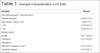
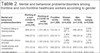
Table 2 presents the frequencies of MHPs in the entire sample, as well as comparisons between those who did and did not work at a COVID-19 facility, who did and did not treat COVID-19 patients, and between men and women. In all groups, the most frequent MHPs were insomnia, depression, and PTSD, which are more common in frontline HCWs, those working at a COVID-19 center and women.
| Mental and behavioral problems/disorders | Working at a non-COVID-19 center (n=2,218) | Working at a COVID-19 center (n=3,720) | Frontline HCWs(n=1,389) | Women HCWs(n=4,420) | Men HCWs(n=1,518) | Total sample(n=5,938) |
|---|---|---|---|---|---|---|
| Problems falling or staying asleep | 909 (41.0) | 1,721 (46.3)* | 723 (52.1)* | 2,084 (47.1)* | 546 (36.0) | 2,630 (44.3) |
| Depression | 598 (27.0) | 1,252 (33.7)* | 524 (37.7)* | 1,464 (33.1)* | 386 (25.4) | 1,850 (31.2) |
| Posttraumatic stress disorder | 558 (25.2) | 1,187 (30.9)* | 521 (37.5)* | 1,406 (31.8)* | 339 (22.3) | 1,745(29.4) |
| Health anxiety and somatization | 275 (12.4) | 652 (17.5)* | 306 (22.0)* | 720 (16.3)┼ | 206 (13.6) | 926 (15.6) |
| Suicidal ideation | 297 (13.4) | 521 (14.0) | 222 (16.0)┼ | 610 (13.8) | 212 (14.0) | 819 (13.8) |
| Harmful alcohol use | 260 (11.7) | 471 (12.7) | 167 (12.0) | 440 (9.9) | 291 (19.2)* | 731 (12.3) |
| Generalized anxiety | 164 (7.4) | 465 (12.5)* | 219 (15.8)* | 533 (12.1)* | 96 (6.3) | 629 (10.6) |
| Increased tobacco use | 203 (9.2) | 301 (8.1) | 140 (10.1)┼ | 308 (7.0) | 196 (12.9)* | 504 (8.5) |
| Use of other drugs (non-medical purposes) | 155 (2.9) | 303 (8.1)┼ | 125 (8.9)┼ | 319 (7.2) | 139 (9.2)┼ | 458 (7.7) |
| High risk of burnout | 36 (1.6) | 284 (7.6)* | 227 (16.3)* | 249 (5.6) | 71 (4.7) | 320 (5.4) |
Data presented as n (%).
COVID-19 = coronavirus disease; HCW = healthcare worker.
* p = 0.001; chi-square tests (degrees of freedom [df] = 1): between individuals who did or did not work at a COVID-19 center, between frontline HCWs (i.e. who treated COVID-19 patients) and non-frontline HCWs who worked at a COVID-19 center; between men and women.
┼ p = 0.05; chi-square tests (df = 1): between individuals who did or did not work at a COVID-19 center; between frontline HCWs and non-frontline HCWs who worked at a COVID-19 center; between men and women.
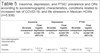
The prevalence of MHPs for each profession are shown in Table 3. Medical specialists had the highest frequency of insomnia and drug use for non-medical purposes. Undergraduate medical and psychology students presented more depression, paramedics reported the highest frequency of PTSD, health anxiety/somatization, suicidal ideation, harmful alcohol use, and generalized anxiety, while there was a greater risk of burnout among general practitioners and resident physicians.
| Mental and behavioral problems | Undergraduate students (n=781) | GPs or specialist residents(n=944) | Medical specialists (n=1,050) | Nurses (n=1,184) | Psychologists (n=1,173) | Social workers (n=497) | Paramedics(n=309) |
|---|---|---|---|---|---|---|---|
| Problems falling or staying asleep | 362 (46.4) | 439 (46.5) | 544 (51.8)* | 467 (39.4) | 470 (40.1) | 204 (41.0) | 144 (46.6) |
| Depression | 313 (40.1)┼ | 342 (36.2) | 370 (35.2) | 324 (27.4) | 230 (19.6) | 156 (31.4) | 115 (37.2) |
| Posttraumatic stress disorder | 201 (25.7) | 307 (32.5) | 352 (33.5) | 344 (29.1) | 275 (23.4) | 145 (29.2) | 121 (39.2)╬ |
| Health anxiety and somatization | 112 (14.3) | 142 (15.0) | 183 (17.4) | 198 (16.7) | 128 (10.9) | 101 (20.3)§ | 62 (20.1)§ |
| Suicidal ideation | 130 (16.6) | 150 (15.9) | 168 (16.0) | 116 (9.8) | 129 (11.0) | 71 (14.3) | 54 (17.5)|| |
| Harmful alcohol use | 118 (15.1) | 140 (14.8) | 144 (13.7) | 88 (7.4) | 123 (10.5) | 54 (10.9) | 64 (20.7)╬ |
| Generalized anxiety | 85 (10.9) | 123 (13.0) | 135 (12.9) | 127 (10.7) | 61 (5.2) | 47 (9.5) | 51 (16.5)╬ |
| Increased tobacco use | 63 (8.1) | 87 (9.2) | 97 (9.2) | 73 (6.2) | 88 (7.5) | 65 (13.1)¶ | 31 (10.0) |
| Use of other drugs | 59 (7.6) | 112 (11.9) | 146 (13.9)* | 33 (2.8) | 70 (5.9) | 27 (5.4) | 11 (3.6) |
| High risk of burnout | 37 (4.7) | 92 (9.7)** | 5 (0.5) | 107 (9.0) | 17 (1.4) | 44 (8.9) | 18 (5.8) |
Data presented as n (%).
GP = general practitioner.
* p = 0.0001, chi-square tests (degrees of freedom [df] =1) between medical specialists and other professions.
┼ p = 0.001, chi-square tests (df = 1) between undergraduate students and other professions.
╬ p = 0.001, chi-square tests (df = 1) between paramedics and other professions.
§ p = 0.05, chi-square tests (df = 1) between paramedics or social workers and other professions.
|| p = 0.05, chi-square tests (df = 1) between paramedics and other professions.
¶ p = 0.001, chi-square tests (df = 1) between social workers and other professions.
**p = 0.001, chi-square tests (df = 1) between GPs or specialist residents and other professions.
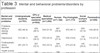
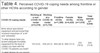
Table 4 presents the frequency of COVID-19 coping needs among all types of HCWs and according to gender. The most frequent needs were usually related to emotional support and dealing with hostile or agitated patients and their relatives.
| COVID-19 coping needs | Working at a non-COVID-19 center(n=2,218) | Working at a COVID-19 center(n=3,720) | Frontline HCWs(n=1,389) | Female HCWs(n=4,420) | Male HCWs(n=1,518) | Total sample(n= 5,938) |
|---|---|---|---|---|---|---|
| Items about specialized equipment and personnel that received responses of "a lot" and "extremely" | ||||||
| To what degree have you lacked adequate biosafety equipment for the level of contact you have with the COVID-19 patients you treat? | 103 (4.6) | 836 (22.5)* | 664 (46.4)* | 684 (15.5) | 255 (16.8) | 939 (15.8) |
| To what degree do you require more equipment and personnel to treat COVID-19 disease at your institution? | 120 (5.4) | 989 (26.6)* | 790 (56.9)* | 824 (18.6) | 285 (18.8) | 1,109 (18.7) |
| To what degree have you lacked mental health personnel to care for patients and their relatives since you have been treating people with COVID-19? | 127 (5.7) | 977 (26.3)* | 780 (56.2)* | 835 (18.9) | 269 (17.7) | 1,104 (18.6) |
| To what degree have you lacked mental health personnel to handle hostile or agitated patients and their relatives since you have been treating COVID-19 patients? | 123 (5.5) | 973 (26.2)* | 766 (55.1)* | 839 (19.0) | 257 (16.9) | 1,096 (18.5) |
| Items about training needs that received responses of "a lot" and "extremely" | ||||||
| To what degree do you require adequate training in the use of biosafety equipment for the level of contact you have with the COVID-19 patients you treat? | 120 (5.4) | 818 (22.3)* | 617 (44.4)* | 680 (15.4) | 258 (17.0) | 938 (15.8) |
| To what degree have you required training to provide emotional support for patients and their relatives since you have been treating COVID-19 patients? | 137 (6.2) | 1,017 (27.3)* | 802 (57.7)* | 879 (19.9) | 275 (18.1) | 1,154 (19.4) |
| To what degree have you required training in handling hostile or agitated patients and their relatives since you have been treating people with COVID-19? | 135 (6.1) | 980 (26.3)* | 778 (56.0)* | 836 (18.9) | 279 (18.4) | 115 (18.8) |
| To what degree have you required training to reduce the risks of infecting your family since you have been treating COVID-19 patients? | 135 (6.1) | 809 (24.7)* | 610 (43.9)* | 711 (10.1) | 233 (15.3) | 844 (15.9) |
| Items about well-being and organizational needs that received responses of "a lot/frequently" and "extremely/constantly" | ||||||
| How often have you lacked time to rest since you have been treating COVID-19 patients? | 68 (3.1) | 551 (14.8)* | 433 (31.2)* | 447 (10.1) | 172 (11.3) | 619 (10.4) |
| How often have you lacked time to eat properly since you have been treating COVID-19 patients? | 51 (2.3) | 407 (10.9)* | 325 (23.4)* | 339 (7.7) | 119 (7.8) | 458 (7.7) |
| To what degree does the work of treating COVID-19 patients require organization (for example, determining roles and on-call duties) at the institution where you treat COVID-19 patients? | 107 (4.8) | 846 (22.7)* | 666 (47.9)* | 689 (15.6) | 267 (17.6) | 953 (16.0) |
| How often have you required specific interventions for COVID-19-based emotional crises among healthcare personnel since you have been treating COVID-19 patients? | 120 (5.4) | 819 (22.0)* | 629 (45.3)* | 717 (16.2) | 222 (14.6) | 939 (15.8) |
| How often have you required remote psychological interventions for healthcare personnel (telephone or video conferencing platforms such as Zoom) since you have been treating people with COVID-19? | 119 (5.4) | 771 (20.7)* | 591 (42.3)* | 673 (15.2) | 217 (14.3) | 890 (15.0) |
COVID-19 = coronavirus disease; HCW = healthcare worker.
* p = 0.0001; chi-square (degrees of freedom [df] = 1): between individuals who did or did not work at a COVID-19 center; between frontline HCWs (i.e. who treated COVID-19 patients) and non-frontline HCWs who worked at a COVID-19 center, and between men and women.
Finally, Table 5 presents the final logistic regression models to predict the most frequent MHPs. One of the main risk factors for all these MHPs was personal COVID-19 status, which could double or even triple the risk of their occurrence in most cases, together with well-known risk factors for poor mental health (such as grieving and domestic violence).
| Insomnia* | Depression┼ | PTSD╬ | ||||
|---|---|---|---|---|---|---|
| Bivariate comparison n (%) | Final logistic regression model OR (95%CI) | Bivariate comparison n (%) | Final logistic regression model OR (95%CI) | Bivariate comparison n (%) | Final logistic regression model OR (95%CI) | |
| Sociodemographic characteristics | ||||||
| Gender | ||||||
| Women | 2,084 (47.1)§ | 1.6 (1.4-1.8)§ | 1,464 (33.1)§ | 1.4 (1.3-1.6)§ | 1,406 (31.8)§ | 1.6 (1.4-1.8)§ |
| Men | 546 (36.0) | Reference | 386 (25.4) | Reference | 339 (22.3) | Reference |
| Age, years | ||||||
| = 39 | 1,479 (47.6)§ | Reference | 1,114 (35.8)§ | Reference | 984 (31.7)§ | Reference |
| = 40 | 1,151 (40.7) | 0.7 (0.6-0.8)§ | 736 (26.0) | 0.68 (0.6-0.7)§ | 761 (26.9) | 0.99 (0.98-0.99)§ |
| Profession | ||||||
| Medical/Psychology students | 362 (46.4)|| | 313 (40.1)§ | Reference | 201 (25.8)¶ | ||
| Professional HCWs | 2,268 (44.0) | 1,537 (29.8) | 0.7 (0.6-0.8)¶ | 1,544 (29.9) | ||
| Conditions related to increased risk of COVID-19 infection or complication | ||||||
| Personal COVID-19 status | ||||||
| Positive | 156 (66.4)§ | 2.3 (1.7-3.0)§ | 114 (48.5)§ | 2.0 (1.5-2.6)§ | 113 (48.1)§ | 2.2 (1.7-2.9)§ |
| Negative | 2,474 (43.4) | Reference | 1,736 (30.4) | Reference | 1,632 (28.6) | Reference |
| COVID-19 in friends/relatives | ||||||
| Yes | 215 (55.7)§ | 1.4 (1.1-1.7)¶ | 181 (46.9)§ | 1.8 (1.4-2.2)§ | 170 (44.0)§ | 1.7 (1.4-2.1)§ |
| No | 2,415 (43.5) | Reference | 1,669 (30.1) | Reference | 1,575 (28.4) | Reference |
| Frontline HCW | ||||||
| Yes | 723 (52.1)§ | 1.0 (0.9-1.2)|| | 524 (37.7)§ | 1.4 (1.2-1.6)** | 521 (37.5)§ | 1.5 (1.3-1.7)¶ |
| No | 1,907 (41.9) | Eliminated in Step 2 | 1,326 (29.1) | Reference | 1,224 (26.9) | Reference |
| Life stressors during the pandemic | ||||||
| Grieving due to COVID-19 | ||||||
| Yes | 235 (59.9)§ | 1.7 (1.3-2.0)§ | 204 (52.0)§ | 2.2 (1.8-2.7)§ | 184 (46.9)§ | 1.8 (1.5-2.2)§ |
| No | 2,395 (43.2) | Reference | 1,646 (29.7) | Reference | 1,561 (28.2) | Reference |
| Caring for own children | ||||||
| Yes | 1,045 (44.7)|| | 668 (28.5)¶ | 722 (31.3)** | 1.1 (1.0-1.3)¶ | ||
| No | 1,585 (44.1) | 1,182 (32.9) | 1,012 (28.1) | Reference | ||
| Caring for a person > 65 years of age | ||||||
| Yes | 6 94 (45.1)|| | 479 (31.1)|| | 503 (32.7)** | 1.0 (0.9-1.2)|| | ||
| No | 1,936 (44.0) | 1,371 (31.2) | 1,242 (28.2) | Eliminated in Step 2 | ||
| Caring for a person with chronic illness | ||||||
| Yes | 919 (47.9)¶ | 671 (34.9)¶ | 658 (34.3)§ | 1.3 (1.1-1.5)§ | ||
| No | 1,711 (42.6) | 1,179 (29.3) | 1,087 (27.1) | Reference | ||
| Domestic violence victim | ||||||
| Yes | 295 (57.1)§ | 1.7 (1.4-2.0)§ | 251 (48.5)§ | 2.1 (1.8-2.6)§ | 216 (41.8)§ | 1.7 (1.4-2.0)§ |
| No | 2,335 (43.1) | Reference | 1,599 (29.5) | Reference | 1,529 (28.2) | Reference |
| Needing time to rest | ||||||
| Yes | 425 (68.7)§ | 3.1 (2.6-3.7)§ | ||||
| No | 2,205 (41.5) | Reference | ||||
95%CI = 95% confidence interval; COVID-19 = coronavirus disease; HCW = healthcare worker; OR = odds ratio; PTSD = posttraumatic stress disorder.
*Logistic regression parameters: number of observations = 5,938; Constant = 0.50, Wald chi-square (degrees of freedom [df] = 1) = 116.84, p = 0.0001; Log likelihood = -3,968.6; R2 Nagelkerke = 0.082, Hosmer-Lemeshow test = p = 0.08. Variables with no values in the logistic regression model column were not introduced as possible predictors since their bivariate comparison was p > 0.01.
┼ Logistic regression parameters: number of observations = 5,938; Constant = 0.43, Wald chi-square (df = 1) = 82.26, p = 0.0001; Log likelihood = -3,523.7; R2 Nagelkerke = 0.078, Hosmer-Lemeshow test = p = 0.22. Variables with no values in the logistic regression model column were not introduced as possible predictors since their bivariate comparison was p > 0.01.
╬ Logistic regression parameters: number of observations = 5,938; Constant = 0.36, Wald chi-square (df = 1) = 72.91, p = 0.0001; Log likelihood = -3,462.2; R2 Nagelkerke = 0.069, Hosmer-Lemeshow test = p = 0.33. Variables with no values in the logistic regression model column were not introduced as possible predictors since their bivariate comparison was p > 0.01.
§ p = 0.0001.
|| p > 0.05.
¶ p = 0.05.
DISCUSSION
As we hypothesized, the most frequent MHPs during the common exposure scenario for COVID-19 in Mexico included the expected short-term psychological consequences of intense negative adversity. In congruence with the problems most frequently reported by their counterparts in other countries,2-8 insomnia, depression, and PTSD were the main MHPs of the included HCWs. The frequencies of these MHPs in all the groups were much higher than national33,34 and global averages,35 even in conflict settings.36 Additionally, in line with previous reports of a high frequency of physical symptoms as an expression of emotional distress in Latin-American countries,15-18 a large proportion of Mexican frontline HCWs reported clinically significant symptoms of health anxiety/somatization.
In accordance with the well-known gender-related vulnerability to mental disorders,37 all of the major MHPs and generalized anxiety were more frequent in women, whereas harmful or increased substance use was more common in men. Likewise, paramedics and doctors, whether students, general practitioners, residents or specialists, had higher frequencies of all MHPs. In all these groups, and in keeping with previous reports,38 over a third suffer from depression, for example. Moreover, this extremely debilitating MHP, which is associated with suicide risk, was more frequent among undergraduate students, and age proved to be a protective factor for the main MHPs in the whole sample. Thus, Young female doctors and paramedics should be considered ultra high-risk groups.
Although suicidal thinking was not one of the main MHPs during this phase of the COVID-19 pandemic in Mexico, its frequency among HCWs was higher than that of the general population according to a comparable measure (i.e., items such as: Have you experienced situations in which you have wished to cease to exist?).39 Despite the fact that suicidal ideation is the most common suicidal behavior and that only a minority of those who report it ever engage in overt self-harm, identifying those most likely to attempt or commit suicide is an important preventive measure, since most suicides and parasuicides have entertained suicidal thoughts prior to their acts.40 Unfortunately, the frequency of suicidal thoughts among HCWs who treat COVID-19 patients could increase if their MHPs remain untreated and/or as a result of the increased burnout, PTSD and compassion fatigue expected in the next phase of the COVID-19 epidemic in Mexico, i.e., the community transmission scenario.
Given that all of the assessed MHPs were more frequent in those who have been directly involved in the diagnosis, treatment and care of COVID-19 patients, and that, in line with Lai et al.'s findings,3 being a frontline HCW is a risk factor for the main MHPs, we intensified mental health monitoring and treatment among frontline HCWs. Fortunately, in contrast with their Chinese peers, who were reluctant to participate in online psychological interventions,10 over 40% of our sample of frontline HCWs reported needing a specific intervention for emotional crises, as well as remote psychological interventions (Table 4).
Moreover, in accordance the most frequently perceived COVID-19 coping needs (Table 4), training videos on effective techniques for handling hostile/agitated patients and on how to use personal biosafety equipment were developed and distributed to HCWs. To meet the needs of mental health specialists who treat patients and relatives, external and remote psychological services for the general population were sponsored at COVID-19 centers.
Based on the factors related to the most frequent MHPs in our sample, a specialized virtual clinic for grieving was developed. Additionally, analysis of other (although not the main) MHPs according to professional group revealed higher frequencies of burnout in medical residents and nurses, which suggests that the pressure on them may be especially great during this crisis. Accordingly, an active strategy to schedule rest periods for these personnel will be developed and implemented during the next phase of COVID-19 in Mexico. This will help with the lack of rest time reported by over thirty percent of frontline HCWs (Table 4), which, according to our data, can triple the risk of insomnia (the most frequent MHP in the sample).
However, it is obvious that other strategies must be implemented. The most urgently needed one is to provide every possible protective measure to reduce COVID-19 contagion among HCWs who treat COVID-19 patients. According to our results, such measures protect both their mental and physical health. In line with their Chinese counterparts,10 one of the most frequently reported COVID-19 coping needs was biosafety equipment: personal COVID-19 status was the main predictor of the most frequent MHPs.
In conclusion, monitoring MHPs and coping needs among HCWs who treat COVID-19 patients should be regarded as a useful tool for planning specific mental health services and for referring those with a high likelihood of requiring them.
The fact that nurses and psychologists had lower frequencies of almost all MHPs than the other HCWs suggests that they may have some job-related protective factors that should be investigated and promoted (such as a professional culture that emphasizes mutual support among colleagues in the case of nurses, and training in coping strategies for distress in psychologists).41
Concerning study limitations, the results should be generalized with caution since they were drawn from a non-randomized sample and were obtained through screening measures. In addition, the cross-sectional nature of the study significantly limits causal explanations; given that the outcomes analyzed have a prevalence of over 10%, the ORs might overestimate the prevalence ratio.
Finally, non-COVID-19-related acute and chronic stressors that could explain the presence of MHPs in each group were not evaluated. For example, regarding the sensitizing effects of prior traumatic experiences on the development of PTSD in vulnerable populations,14 recent paramedic involvement in the aftermath of national earthquakes could partly explain the high frequency of this mental disorder during the early phases of the COVID-19 pandemic in Mexico. Likewise, additional difficulties during the current graduation process of medical students could well be associated with their high levels of depression.42
However, comparing the frequency of MHPs between frontline and non-frontline HCWs showed the incremental risk for problems among frontline workers, which was confirmed in the regression analyses. Additionally, the assessment of large multidisciplinary groups of HCWs shed light on the different problems they face. These problems must be addressed to safeguard their mental health since, besides being a moral obligation, it is through their sustained daily efforts that the pandemic will be controlled.
Disclosure
The authors report no conflicts of interest.
 PDF
 Print
 Send this article by email
 How to cite this article
 Submit a comment
 Mendeley
 Pocket
 Share on Facebook
 Share on Twitter



