



ABSTRACT:
OBJECTIVE: Paraphilias, atypical sexual preferences outside societal norms, present a psychiatric
challenge. The DSM-5-TR differentiates paraphilic fantasies (PFs) from disorders,
with the latter causing distress or impairment. Social stigma and underreporting hinder
understanding. This study examines PF and disorders in Brazil, focusing on pedophilia
and hebephilia, to inform public health policies and crime prevention.
METHODS: This cross-sectional, online study included 5,335 Brazilian participants. The survey
collected sociodemographic data and applied the Paraphilic Assessment Protocol, adapted
from the Dunkelfeld Project, to assess fantasies, temporal criteria, and distress
or impairment.
RESULTS: Most respondents (62.2%) reported three or more PFs, with masochism (64.4%), body
part fetishism (58%), and sadism (49.2%) being most common. Nonconsensual fantasies
included pedophilia (3.7%), hebephilia (6.6%), frotteurism (7.5%), and exhibitionism
(6.8%). Pedophilic and hebephilic disorders were found in 1.87 and 2.46% of participants,
respectively, and were associated with young age (18-24 years), cisgender male identity,
bisexual orientation, and single marital status. Notably, working in healthcare and
education was associated with these disorders.
CONCLUSION: As Brazil's first nationwide survey on paraphilias, this study underscores the need
for targeted interventions to prevent sexual crimes and improve treatment options.
Further research is essential despite ongoing stigma.
Keywords: Paraphilias; atypical sexual preferences; pedophilia and hebephilia; public health policies; sexual crime prevention.
| Note: How to cite this article: Jordani JGA, Beier K, do Canto GC, Marchi N, Schwarz K, Lobato MIR. Paraphilic fantasies and disorders in Brazil: insights from a nationwide study on prevalence, risk factors, and public health implications. Braz J Psychiatry. 2025;47:e20254172. http://doi.org/10.47626/1516-4446-2025-4172 |
| Received: February 9 2025; Accepted: May 17 2025 |
INTRODUCTION
Paraphilias, categorized as atypical sexual preferences and behaviors that deviate from social norms, are a complex and controversial issue within psychiatry. The concept of paraphilia or paraphilic disorder (PD) has changed over the years, being refined and modernized in line with advances in psychopathology and sexual theories.1 The DSM-5-TR2 distinguishes between paraphilia and PD. The latter can be seen as a more severe form of paraphilia, "currently causing distress to themself or of posing a risk of harm to others."3 A given paraphilia does not necessarily call for clinical intervention, whereas a PD does.4-6 The PDs included in the DSM-5-TR are voyeurism, exhibitionism, frotteurism, masochism, sadism, pedophilia, fetishism, and transvestic fetishism. The last version of the ICD-11-WHO7 has adopted a more dimensional and behavioral approach to the paraphilic categories, and, recognizing that expressions of paraphilia can vary widely between individuals and over time, has introduced the concept of "atypical sexual interest patterns," which covers a wider range of sexual behaviors and preferences.5
Knowledge of the distribution of paraphilic interests and PDs in the general population was long beset with methodological challenges, including social stigma and underreporting, and based mainly on small samples of psychiatric patients, offenders, or case studies.8 However, the advent of the internet as a data source has facilitated contemporary epidemiological research, allowing for greater reach and overcoming the avoidance barriers that can arise from face-to-face interviews.9 Some recent online general population-based studies have shown that the paraphilic phenomenon is not as rare as was previously thought. Joyal et al.10 used online and telephone calls to reach a sample of 1,040 individuals from the province of Quebec (Canada). Half of the sample expressed interest in at least one paraphilic category and one-third had engaged in the practice at least once. Castellini11 assessed the paraphilic phenomenon, its psychopathology, and its relationship with hypersexuality in a non-clinical sample of men and women attending university. He found that paraphilic thoughts and behaviors are not a deviation from normality, suggesting that they are widespread in the young population. An online survey of the Hong Kong population,12 which recruited 1,171 participants, found that males reported significantly more general paraphilic interests than females. Bártová et al.13 interviewed a representative online sample of 10,044 Czechs (5,023 men and 5,021 women) and found that 31.3% of men (n=1,571) and 13.6% of women (n=683) reported having at least one paraphilic preference.
Most studies indicate that the prevalence of paraphilic sexual interests is higher in men than in women. The only notable and well-confirmed exception to this rule is sexual masochism, which seems to be more widespread in women. The reasons underlying these gender differences are unclear, as the existing information is mostly based on clinical experience from the minimal number of paraphilic women in specialized care.14 One of several possible hypotheses could be that physical and psychological arousal are integrated for men and are separated for women, meaning that women need more simultaneous stimulation from different cues to become aroused.15
Elucidation of these epidemiological patterns is critical for informing public health policy and appropriate clinical practice. In the Brazilian community population, no record was found of any study that comprehensively addressed this issue. The presence of a PD is an established risk factor for sexual violence and child sexual abuse. Recent data from the Anuário Brasileiro de Segurança Pública16 show that rape is the crime that most victimizes children in the country, especially between the ages of 10 and 13, with children being five times more susceptible compared to adults. Against this background, this study sought to examine the clinical and epidemiological dimensions of paraphilic fantasies (PFs) and PD, with an emphasis on pedophilic and hebephiliac interests, and integrate these recent findings to enrich the academic discussion on these sexual disorders.
METHODS
This was a cross-sectional, exploratory, quantitative-qualitative study, conducted in collaboration between the Programa de Pós-Gruaduação em Psiquiatria e Ciências do Comportamento, Universidade Federal do Rio Grande do Sul (UFRGS), and Programa Transdisciplinar de Identidade de Gênero, Hospital de Clínicas de Porto Alegre (HCPA).
A convenience sample was recruited through a survey link widely disseminated on social networks and academic and professional mailing lists. The services of a third-party marketing company were retained to enhance data collection coverage, employing two complementary strategies: distributing survey links through a network of at least 30 recruiters across different regions of Brazil (to ensure regional diversity) and promoting the study via sponsored advertisements on digital platforms and targeted channels. Additionally, the invitation was published on the official HCPA website (https://www.hcpa.edu.br). Participants were invited with the message: "Take part in a study on sexual behavior and fantasies in the Brazilian population."
The questionnaire remained available for 8 months, from September 2023 to April 2024, until the target number of participants was reached. All participants over the age of 18 who agreed to take part in the study by signing an informed consent form and were fluent in Portuguese were included.
We collected the following sociodemographic data: age group, biological sex, gender identity, sexual orientation, average monthly household income, occupation, marital status, and years of schooling. To assess PFs and paraphilic disorders, we applied the Paraphilic Assessment Protocol (PAP) as translated from the Dunkelfeld Project17 and adapted to Brazilian Portuguese by our research group (Supplementary Material S1). In brief, with the author's permission, the inventory was translated and adapted into Brazilian Portuguese by three Brazilian psychiatrists from the research team. The full team then reviewed the version, resulting in a preliminary text. We then sent this version to a translator, who was not familiar with the original inventory, for back-translation from Brazilian Portuguese to English.
The PAP includes questions based on the DSM-5 diagnostic criteria for paraphilia, including questions about the presence of PF, temporal criteria, criteria related to impairment, and distress associated with paraphilias. An individual who answered "yes" to the first question in each section on paraphilic interest was defined as having a PF. PDs, in turn, are defined by fantasies that are intense and persistent for at least 6 months, causing distress to the individual, or when the individual acts out the fantasy with a person who has not consented or does not have the capacity to consent. Therefore, methodologically, we defined individuals with PD as those who endorsed an interest in the PF in question, in whom this interest lasted longer than 6 months, and who responded in the affirmative to questions about harm or distress associated with the fantasy in question.
Statistical analyses were conducted using SPSS version 23.0. Categorical variables were described as absolute and relative frequencies and analyzed using the chi-square or Fisher's exact test, as appropriate. Bivariate logistic regression was performed to assess associations between PDs and demographic categories, calculating odds ratios (OR) with 95%CIs to estimate the strength of associations.
To evaluate the correlation between occupation and the presence of pedophilic and hebephilic PD, Pearson's chi-square test for independence was applied. Analyses were conducted separately for each disorder, with results expressed as absolute and relative frequencies for each group (present vs. absent), specifically considering professions related to education, healthcare, and animals, as well as unemployment. Chi-square residuals were analyzed to assess correlations between occupations and PDs.
Ethics statement
The study was approved by the HCPA human research ethics committee (AGH project no. 2021-0488; Brazilian platform no. 52810521.0.0000.5327). The anonymity of the participants was ensured. Researchers adhered to the General Data Protection Act (Law No. 13,709/2018) and the Code of Ethics for Social Research.
RESULTS
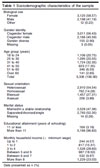
The predominant gender identity within this population was cisgender female, representing 56.43%, followed by cisgender male at 41.19% and individuals identifying as gender diverse at 2.90%. Age was categorized into groups, with most participants belonging to the youngest bracket (40 years or younger): 18-24 years, 20.7%; 25-30 years, 20.5%; and 31-40 years, 32.3%. The least represented age group was those over 60 years old, comprising 2.6%. The sample was largely heterosexual (54.54%), followed by bisexual individuals (27.31%), those identifying as gay or lesbian (14.28%), and asexual individuals (3.86%). The distribution of participants with a stable sexual partner was comparable to those without, at 47.38 and 52.35%, respectively. A significant majority (96.83%) of the participants had completed at least 11 years of education, which corresponds to graduating secondary school in Brazil. Regarding household income, there was notable variability, with the most common income bracket being between three and four times the minimum wage (28.60%), followed by those earning more than eight times the minimum wage (23.03%) (Table 1).
| Biological sex | |
| Female | 3,125 (58.57) |
| Male | 2,198 (41.19) |
| Other | 12 (0.22) |
| Gender identity | |
| Cisgender female | 3,011 (56.43) |
| Cisgender male | 2,166 (40.59) |
| Gender diverse | 155 (2.90) |
| Missing | 3 (0.05) |
| Age group (years) | |
| 18 to 24 | 1,106 (20.75) |
| 25 to 30 | 1,095 (20.55) |
| 31 to 40 | 1,724 (32.35) |
| 41 to 50 | 923 (17.35) |
| 51 to 60 | 346 (6.55) |
| Over 60 | 141 (2.65) |
| Total | 5,335 (100.00) |
| Sexual orientation | |
| Heterosexual | 2,910 (54.54) |
| Homosexual | 762 (14.28) |
| Bisexual | 1,457 (27.31) |
| Asexual | 206 (3.86) |
| Marital status | |
| Married/in a stable relationship | 2,528 (47.38) |
| Separated/divorced/single | 2,793 (52.35) |
| Missing | 14 (0.26) |
| Educational attainment (years of schooling) | |
| 11 or less | 169 (3.16) |
| More than 11 | 5,166 (96.83) |
| Monthly household income (× minimum wage) | |
| Up to 1 | 244 (4.57) |
| 1 to 2 | 817 (15.31) |
| 3 to 4 | 1,526 (28.60) |
| Between 5 and 6 | 987 (18.50) |
| Between 6 and 7 | 532 (9.97) |
| More than 8 | 1,229 (23.03) |
Data presented as n (%).
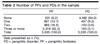
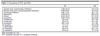
We found a high prevalence of PFs in this sample (Table 2): only 6.2% of participants reported having no PF; 13.1% had only one fantasy; 18.5% had two; and 62.2% had three or more. The most common fantasies, in descending order (Table 3), were masochism (64.4%), body part fetishism (58%), sadism (49.2%), voyeurism (47.8%), and body feature fetishism (45%). Among the paraphilic categories listed in the ICD-11 that do not involve consent, frotteurism (7.5%), exhibitionism (6.8%), hebephilia (6.6%), and pedophilic fantasies (3.7%) were all represented in the sample. The least common PF was necrophilia (0.8%).
| PF | PD | |
|---|---|---|
| None | 331 (6.2) | 4,482 (84.0) |
| One | 697 (13.1) | 497 (9.3) |
| Two | 989 (18.5) | 193 (3.6) |
| Three or more | 3,318 (62.2) | 163 (3.1) |
| Total | 5,335 (100.0) | 5,335 (100.0) |
Data presented as n (%).
PD = paraphilic disorder; PF = paraphilic fantasies.
| PF | PD | |
|---|---|---|
| 1) Specific body characteristics (fetishism) | 2,400 (45.0) | 135 (2.53) |
| 2) Specific body parts (excluding genitals) (fetishism) | 3,096 (58.0) | 120 (2.25) |
| 3) Transvestic fetishism | 630 (11.8) | 60 (1.12) |
| 4) Masochism | 3,434 (64.4) | 269 (5.04) |
| 5) Sadism | 2,623 (49.2) | 161 (3.02) |
| 6) Voyeurism | 2,550 (47.8) | 189 (3.54) |
| 7) Exhibitionism | 361 (6.8) | 58 (1.09) |
| 8) Frotteurism | 399 (7.5) | 64 (1.20) |
| 9) Scatophilia | 693 (13.0) | 79 (1.48) |
| 10) Zoophilia | 411 (7.7) | 122 (2.29) |
| 11) Necrophilia | 45 (0.8) | 10 (0.19) |
| 12) Pedophilia | 200 (3.7) | 100 (1.87) |
| 13) Hebephilia | 353 (6.6) | 131 (2.46) |
Data presented as n (%).
PD = paraphilic disorder; PF = paraphilic fantasies.
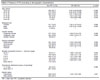
| Any PD (n [%]) | OR (95%CI) | p-value | |
|---|---|---|---|
| Age (years) | |||
| 18 to 24 | 262 (23.7) | 8.44 (3.42-20.83) | 0.000 |
| 25 to 30 | 210 (19.2) | 6.45 (2.61-15.96) | 0.000 |
| 31 to 40 | 262 (15.2) | 4.87 (1.98-12.02) | 0.001 |
| 41 to 50 | 92 (10.0) | 3.01 (1.20-7.54) | 0.019 |
| 51 to 60 | 22 (6.4) | 1.85 (0.69-4.98) | 0.225 |
| Over 60 | 5 (3.5) | 1 | |
| Biological sex | |||
| Female | 417 (13.3) | 1.59 (1.37-18.41) | 0.000 |
| Male | 432 (19.7) | 3.25 (0.97-10.83) | 0.055 |
| Other | 4 (33.3) | 1 | |
| Gender identity | |||
| Cisgender female | 377 (12.5) | 3.60 (2.76-4.70) | 0.000 |
| Cisgender male | 424 (19.6) | 2.54 (1.25-5.17) | 0.000 |
| Gender diverse | 46 (33.1) | 1 | |
| Sexual orientation | |||
| Heterosexual | 301 (10.3) | 2.29 (1.85-2.82) | 0.000 |
| Homosexual | 159 (20.9) | 2.69 (2.27-3.19) | 0.000 |
| Bisexual | 345 (23.7) | 2.63 (1.87-3.72) | 0.000 |
| Asexual | 48 (23.3) | 1 | |
| Monthly household income (× minimum wage) | |||
| Up to 1 | 53 (21.7) | 1.68 (1.19-2.37) | 0.003 |
| 1 to 2 | 150 (18.4) | 1.36 (1.07-1.73) | 0.011 |
| 3 to 4 | 264 (17.3) | 1.27 (1.03-1.56) | 0.025 |
| 5 to 6 | 143 (14.5) | 1.03 (0.81-1.31) | 0.825 |
| 6 to 7 | 69 (13.0) | 0.90 (0.67-1.22) | 0.507 |
| More than 8 | 174 (14.2) | ||
| Educational attainment (years of schooling) | |||
| 11 or less | 26 (15.4) | 0.485 | |
| More than 11 | 827 (16.0) | ||
| Marital status | |||
| Partnerless | 328 (13.0) | 1.54 (1.33-1.80) | 0.00 |
| With partner | 523 (18.7) |
OR = odds ratio; PD = paraphilic disorder.
As noted above, individuals who reported a PF and who reported that this fantasy had persisted for at least 6 months and had also caused damage to their personal lives and/or discomfort or distress were considered to have a PD (Table 3). The most common PD was masochism (5.4%), followed by voyeurism (3.54%), sadism (3.02%), body parts fetishism (2.53%), and zoophilia (2.29%).
When analyzing subgroups by sociodemographic aspects (Table 4), we found a positive association between the presence of PD and the following gender identities: cisgender men (OR 3.60; 95%CI 2.76-4.70) and cisgender women (OR 2.53; 95%CI 1.25-5.17). Regarding sexual orientation, there was a positive association for gays and lesbians (OR 2.68; 95%CI 2.26-3.18), bisexuals (OR 2.63; 95%CI 1.86-3.71), and heterosexuals (OR 2.28; 95%CI 1.85-2.82). When analyzing subgroups by age, we found significant associations with younger age: 18-24 years (OR 8.44; 95%CI 3.42-20.83), 25-30 years (OR 6.45; 95%CI 2.61-15.95), 31-40 years (OR 4.87; 95%CI 1.97-12.01), 41-50 years (OR 3.01; 95%CI 1.20-7.54); as well as significant associations, albeit with smaller odds ratios, with not having a marital partner (OR 1.54; 95%CI 1.33-1.79) and with lower household income (up to one minimum wage, OR 1.68, 95%CI 1.19-2.37; between one and two times the minimum wage, OR 1.30, 95%CI 1.07-1.73).
Correlation between occupation and pedophilic and hebephilic paraphilic disorders
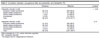
Occupation was recorded as a free-text field in the survey. We analyzed 2,120 answers, categorized into four different groups of interest: health, education, work involving animals, and unemployment. We found higher frequencies of hebephiliac and pedophilic interest among respondents working in healthcare (hebephilia, 3.6%; pedophilia, 1.7%) and education (hebephilia, 3.5%; pedophilia, 3.4%). Statistically significant associations (p < 0.05) were found between occupational field and the presence of pedophilic disorder, while no such significant association was found for hebephilic disorder (Table 5).
| Presence | Absence | p-value┼ | |
|---|---|---|---|
| Pedophilic disorder (n=48) | < 0.05 | ||
| Education-related professions | 30 (3.4) | 846 (96.6) | |
| Health-related professions | 17 (1.7) | 971 (98.3) | |
| Animal-related professions | 1 (0.6) | 179 (99.4) | |
| Unemployed | 0 (0.0) | 76 (100.0) | |
| Total | 48 (2.3) | 2,072 (97.7) | |
| Hebephilic disorder (n=69) | 0.12 | ||
| Education-related professions | 31 (3.5) | 845 (96.5) | |
| Health-related professions | 36 (3.6) | 952 (96.4) | |
| Animal-related professions | 2 (1.1) | 178 (98.9) | |
| Unemployed | 0 (0.0) | 76 (100.0) | |
| Total | 69 (3.3) | 2,051 (96.7) |
Data presented as n (%), unless otherwise specified.
PD = paraphilic disorder.
┼ Chi-square test for independence (Pearson).
DISCUSSION
To the best of our knowledge, this is the largest nationwide Brazilian study (n=5,335) aimed at mapping the population with paraphilic fantasies, behaviors, and disorders. Despite a numerically significant sample, the research group is aware that online questionnaires are not sufficient to make fully comprehensive diagnoses as those required for PD. This limitation notwithstanding, our study has provided insight into PF/PD, with particular emphasis on pedophilic and hebephilic disorders, in a sample from Brazil.
It is well known that face-to-face interviews are the best way to gather data, except on issues such as sexuality, in which they can cause embarrassment and misinformation. Despite the telephone-call approach having yielded the highest response rate in paraphilia studies to date (73%)18 and allowing for probabilistic recruitment, this method demands a longer period which renders it too expensive and only feasible in government-sponsored surveys.10 Some authors have hypothesized that online surveys, given their relative anonymity, would generate higher rates of acknowledgment of paraphilic interest than the telephone-call method. Online surveys generally obtain information through commercial self-report platforms, a method that, while inexpensive, is unable to verify basic information such as the sociodemographic characteristics of participants.19
Considering the whole sample, our study was composed mostly of cis men and women, relatively young (50% between 20 and 40 years old), highly educated (96.8% with more than 11 years of schooling), over 50% earning at least five times the Brazilian minimum wage,20 and 45.5% expressing diverse sexual orientations.
We found significant similarity in the sociodemographic profile when we carried out subgroup analyses comparing different types of PF and disorders. These results could be related to the high prevalence in our survey (up to 93.8%) of individuals who reported at least one PF, which suggests that these individuals are similar to each other and, as a consequence, will have influenced our findings. Other population-based studies that have investigated the paraphilic phenomenon have concluded that paraphilic thoughts and behaviors may be more prevalent than previously thought. It is also known that people with a PF tend to have at least one other type of paraphilia, and that this is a risk factor for these individuals acting out. In our survey, 62% of individuals reported having at least three PFs.
Other reasons may explain the homogeneity of our sample. One could be related to overrepresentation of LGBTQAI+ respondents in our survey (41.59%) compared to the general Brazilian population (estimated to range from 2%20 to 12%).21 This may be because sexual and gender minorities have been shown to express greater interest in responding to sexual issues in surveys.21,22 Another possible explanation involves the data collection strategy, which was conditional on participants having access to the internet. Although 92.5% of the country's households (72.5 million) had access to the internet in 2023,20 it is not fully accessible to those less educated and older adults (over 60). Considering these factors, it is reasonable to conclude that our survey did not reach all social groups with PFs/PDs and, therefore, our results are not fully representative.
In addition, it is important to highlight some limitations regarding the Paraphilic Assessment Protocol adopted. Although the protocol has not been validated for Brazilian Portuguese, it was translated in collaboration with the original authors of the scale. The aim of this study was to estimate the prevalence of PF and paraphilic behaviors in the general population. However, we recognize that the questions included in the assessment protocol are not sufficient to establish a clinical diagnosis. According to the DSM-5, paraphilias are defined as intense PF persisting for at least 6 months, manifested by fantasies, impulses, or behaviors. The mere presence of a PF does not necessarily meet the criteria for a paraphilia, let alone for a PD. PDs, according to the DSM-5, are characterized by the presence of distress or impairment caused by paraphilic fantasies/urges or by acting out these urges with someone who has not consented or is not capable of consenting. Crucially, this last criterion - engaging in paraphilic acts with nonconsenting individuals - is not captured by the assessment protocol used herein.
The legal framework plays a crucial role in supporting public health measures for individuals with PD, particularly in terms of prevention and treatment strategies. Legislation can facilitate early identification by regulating access to specialized mental health services, implementing mandatory reporting protocols, and guiding ethical management of high-risk cases. Laws supporting preventive interventions, such as educational programs for at-risk populations and training for professionals in healthcare and education, can help mitigate potential harm. Additionally, integrating public health policies with legal measures ensures a balanced approach that prioritizes both individual rights and societal protection, reinforcing the need for multidisciplinary strategies to address these disorders effectively.
Pedophilia and hebephilia
There is a discrepancy between the prevalence rates reported in studies on victims of pedophilia and those on individuals with pedophilic disorder.23 This difference can be attributed to several factors, including underreporting by perpetrators due to stigma and legal consequences,24,25 methodological variations between studies, and cultural influences on victim reporting and data availability.26,27 Additionally, the diagnostic criteria for pedophilic disorder may exclude individuals who experience pedophilic fantasies but do not meet full criteria for the disorder, further contributing to the observed disparity.
In our sample, 165 individuals met our protocol criteria for pedophilic and hebephilic disorder (1.87 and 2.46%, respectively). The two conditions were closely related: 66 individuals had a combination of the two disorders; 65 had only hebephilic disorder; and 33 had only pedophilic disorder. We also found significant associations of this group which allowed us to draw a profile (aged between 18-24, cis male, bisexual, and living without a partner). No association was found with income or educational attainment, but we did find a correlation of occupation (especially education and healthcare) with pedophilic and hebephilic disorders. It is known that some professionals in education and healthcare are more likely to be involved in child sexual abuse. These findings highlight the importance of having trained, well-prepared teams in schools and universities to provide guidance counseling to such individuals, who may be dealing alone with the inclination to pursue employment in the fields of healthcare and teaching for the least advisable reasons.
The issue of child sexual abuse has mobilized various sectors of society throughout the world to search for effective preventive measures, given the extremely damaging consequences for victims. Alarming data on the growth of child pornography in recent years has given this phenomenon an almost "pandemic" character.28 The tragedy is compounded by the fact that these acts are often perpetrated by family members.16 In Brazil, efforts have been made in several areas, ranging from the judicial system (increased penalties for identified sex offenders) to the training of healthcare providers and education professionals in the early identification of child victims of abuse. However, despite efforts to promote early detection of abuse, data collected by the judiciary has shown little success, with more offenders imprisoned but no reduction in the number of victims.
Epidemiological data on the prevalence of child sexual abusers is limited in our country. However, our research group has tried to find such data, which is essential for organizing a therapeutic project that is appropriate to our situation. Our results showed a prevalence of around 5% in a Brazilian population sample (hebephilic fantasies: 6.60%, hebephilic disorder: 2.47%; pedophilic fantasies: 3.70%, pedophilic disorder: 1.80%), consistent with findings in other epidemiological studies outside Brazil. This 5% prevalence is probably an underestimate. These findings provide evidence that people are living with pedophilic/hebephilic fantasies/disorders that place children at great potential risk of being sexually abused. People with such PDs need safe venues for treatment of their paraphilias so that sexual crimes can be prevented. Initiatives by international partner groups, such as the Dunkelfeld Project in Germany,17,29 can be replicated in Brazil and provide a national policy for the prevention of sexual abuse.
Clinical aspects concerning assessment, treatment, and prevention
Given the prevalence of atypical sexual preferences, healthcare systems should offer targeted treatment to prevent distress caused by these inclinations and mitigate potential risks to others, particularly for paraphilias such as frotteurism or pedophilia. This requires specialized training beyond standard psychiatric and psychotherapeutic skills, which is currently lacking in Brazil. Key competencies include assessing sexual history, understanding preference structures, and managing sexual preference disorders. Therapists often avoid responsibility when addressing the risk of sexual offenses, particularly in pedophilia cases.30
Since paraphilic patterns emerge in puberty and persist throughout life, individuals must reconcile their experiences, often facing self-doubt and fear of rejection. The concern that a partner might not accept their fantasies - regardless of intent to act on them - creates significant insecurity, affecting relationships.31
Many individuals struggle with uncertainty about their inclinations ("Will they persist or intensify?") and conceal their preferences, risking loss of trust if discovered (e.g., through internet activity). However, for couples committed to a shared future, relationship-focused interventions can enhance satisfaction and stability. Four factors are crucial to planning treatment options32:
- Extent of paraphilic patterns in sexual preference. Paraphilic patterns may define an individual's entire sexual preference or may coexist with non-paraphilic interests, affecting relationship dynamics. In exclusive paraphilias (e.g., masochism involving fantasies of mutilation), alternative forms of sexual fulfillment may be unattainable, leading to dysfunctions such as erectile disorder. If undisclosed, this can strain the relationship, making sexual difficulties incomprehensible to the partner.
- Association with sexual dysfunctions. Paraphilic preferences may contribute to sexual dysfunction by creating anxiety about intimacy. Fear of disclosing fantasies can disrupt sexual interactions, while dysfunction itself remains visible to the partner. Therapy may help by clarifying the link between dysfunction and the paraphilic pattern.
- Emotional significance of the paraphilic stimulus. Paraphilic stimuli, such as fetishes, can serve as psychological stabilizers, akin to attachment figures. When their significance equals or surpasses that of a partner, this poses risks to relationships and treatment outcomes.
- Capacity for self-restraint. Successful therapy depends on an individual's ability to prioritize relationship satisfaction over paraphilic urges. Even in exclusive paraphilias (e.g., sadism involving harm to a partner), motivation to maintain a stable relationship - particularly for the well-being of children - can encourage self-regulation.
Our data were collected through a widely available online survey. Despite the large number of participants, the sample is not faithfully representative of the Brazilian population. Some selection biases must be considered. We were unable to extract comparative data between regional demographic characteristics. Our study did not incorporate any exclusion criteria related to other mental disorders; consequently, our sample may have included individuals with a history of manic episodes and substance abuse, which could explain atypical sexual behavior.
Despite these cited limitations, the study stands out for being the first nationwide populational survey, with 5,335 respondents, to address a topic of extreme public-health relevance. People with paraphilias are known to be stigmatized, and disclosure of their PF or PD has legal and social implications. For this reason, the large number of people who responded positively to the survey leads us to believe that this number must be underestimated. Furthermore, identifying individual occupational profiles with a higher incidence of certain paraphilias such as pedophilia (healthcare and education) and hebephilia (education alone) helps target interventions to prevent sexual abuse and to treat these paraphilias.
Despite several studies around the world estimating that PDs have a higher prevalence than other mental disorders, they are proportionally much less studied. Failure to address this issue scientifically and clinically causes serious social problems, such as an increased risk of sexual abuse, sexual violence, and sexual health-related distress.
SUPPLEMENTARY MATERIALS
Supplementary MaterialACKNOWLEDGEMENTS
This study was funded and supported by the following governmental institutions: Coordenação de Aperfeiçoamento de Pessoal de Nível Superior (CAPES); Fundação de Amparo à Pesquisa do Estado do Rio Grande do Sul (FAPERGS), and Fundo de Incentivo à Pesquisa (FIPE).
 PDF
 Print
 Send this article by email
 How to cite this article
 Submit a comment
 Mendeley
 Pocket
 Share on Facebook
 Share on Twitter



