



ABSTRACT:
OBJECTIVE: This study aimed to explore the relationship between suicidal behavior and various
factors, including peripheral inflammatory markers, atherogenic indices, serum albumin
levels, impulsivity, and aggression.
METHODS: This cross-sectional study included 100 patients hospitalized for a recent suicide
attempt, 74 individuals with psychiatric disorders without a recent suicide attempt,
and 85 healthy controls (HC). Peripheral inflammatory markers, atherogenic indices,
and serum albumin levels were assessed using fasting blood samples. Impulsivity and
aggression were measured with the Barratt Impulsiveness Scale-11 (BIS-11) and the
Buss-Perry Aggression Questionnaire (BPAQ).
RESULTS: Serum albumin levels were significantly lower (p = 0.001), and the neutrophil-to-albumin
ratio (NAR) was significantly higher (p < 0.001) in individuals who had recently attempted
suicide, compared to both individuals with psychiatric disorders without a recent
suicide attempt and the HC group. Logistic regression identified NAR (p = 0.001),
low albumin levels (p = 0.017), impulsivity (p = 0.001), and aggression (p < 0.001)
as significant predictors of suicidal behavior. Lower education (p = 0.001) and lifetime
substance use disorders (p = 0.003) were also significant predictors. No significant
differences were found in atherogenic indices.
CONCLUSION: Low albumin levels and increased NAR are key predictors of suicide risk, underscoring
the role of inflammation. Additionally, addressing educational disparities and substance
use is crucial for suicide prevention strategies.
Keywords: Suicide; impulsivity; aggression; lipid profile; atherogenic indices; inflammation.
| Note: How to cite this article: Gokcay H, Takım U, Acikgoz MG, Namli MN, Balcioglu YH. Exploring the role of impulsivity, aggression, lipid profiles, and inflammatory markers in suicide attempts: a cross-diagnostic study. Braz J Psychiatry. 2025;47:e20244026. http://doi.org/10.47626/1516-4446-2024-4026 |
| Received: November 16 2024; Accepted: January 19 2025 |
INTRODUCTION
Suicidal behavior is a multifaceted phenomenon influenced by various biological, social, and cultural factors, and it represents one of the most tragic outcomes of psychiatric disorders. According to the World Health Organization (WHO), more than 700,000 people die by suicide every year, which equates to approximately one death every 40 seconds globally. This alarming statistic highlights the urgent need for targeted prevention strategies.1 One of the theories for understanding the development of suicidal behavior is the stress-diathesis model. According to this model, individuals vulnerable to suicide exhibit abnormal or exaggerated responses to stimuli that would typically be considered neutral. Research has shown dysregulation in stress-response systems, such as the hypothalamic-pituitary-adrenal axis and the serotonin neurotransmitter system, in these individuals.2 Serotonergic dysfunction, in particular, has been consistently linked to suicidal behavior, although the exact mechanisms remain unknown. Certain personality traits associated with an increased risk for suicide, such as impulsivity, aggression, and behavioral inhibition, have also been found to correlate with serotonin dysfunction.3 However, serotonergic dysfunctions are not specific to particular psychiatric disorders, nor are they considered pathognomonic for suicide.4
Predicting suicidal behavior in individuals with psychiatric disorders therefore remains a challenging task for clinicians. Biological markers have the potential to serve as practical, cost-effective tools for suicide screening and prevention.5-7 Recent studies suggest that serum lipid levels may be linked to suicidality in individuals with psychiatric disorders, a notion supported by earlier findings reporting associations between lipid alterations and major depressive disorder (MDD).6,7 Ayesa-Arriola et al.8 proposed that low serum low-density lipoprotein (LDL) cholesterol levels might be associated with impulsive and aggressive behaviors, traits commonly linked to suicide risk. However, the relationship between lipid parameters and suicidality remains inconsistent, with some studies finding no significant associations.3,9,10 Alterations in peripheral cholesterol levels may influence synaptic membrane properties by affecting lipid raft composition, potentially modulating serotonin receptor functionality and signaling pathways. This could partly explain the link between cholesterol dysregulation and impulsive behaviors observed in individuals at risk of suicide. However, the mechanistic connection between peripheral cholesterol changes and synaptic lipid dynamics is still speculative, necessitating further research to clarify its role in psychiatric conditions.11 Moreover, abnormal serum lipid levels, including oxidized LDL and excess free cholesterol, may promote the release of pro-inflammatory cytokines, exacerbating neuroinflammation and contributing to the progression of psychiatric disorders.12,13
The role of inflammation in suicidal behavior has received significant attention in recent years. Immune dysregulation, particularly abnormal levels of pro-inflammatory cytokines such as interleukin (IL)-6 and tumor necrosis factor-alpha (TNF-a), has been linked to an increased risk of suicide in individuals with mood and psychotic disorders.14-16 Similarly, traumatic experiences, such as childhood adversity or post-traumatic stress disorder, can amplify the production of inflammatory cytokines (e.g., IL-12), which further contributes to immune dysregulation and potentially influences suicidality.17,18 Increased levels of these cytokines have been observed in brain regions associated with the pathophysiology of suicidal behavior, such as the prefrontal cortex and amygdala.19,20 Inflammatory cytokines are known to affect monoamine neurotransmission, particularly serotonin and dopamine pathways, which are crucial for mood regulation and cognitive control.21 Chronic inflammation can disrupt neurotransmitter systems by reducing serotonin synthesis through activation of the kynurenine pathway, impairing dopamine and glutamate signaling due to altered metabolism, and affecting neurotransmitter release and reuptake. Such disruptions may contribute to mood instability and increased impulsivity, both of which are key risk factors for suicidal behavior. Furthermore, neuroinflammation has been shown to impair neuroplasticity, potentially exacerbating vulnerability to psychiatric disorders and increasing the risk of suicidal behavior.21 These findings underscore the importance of investigating peripheral inflammatory markers as potential indicators of suicide risk.
The risk of suicide is likely influenced by a combination of genetic factors, social influences, and specific personality traits, such as impulsivity.22 The idea that individuals who complete suicide may have a specific predisposition has gained significant attention in recent decades. Such a predisposition is influenced by factors such as personality differences, particularly traits related to impulsivity and aggression.23,24 A substantial body of evidence suggests that individuals who attempt or complete suicide tend to exhibit higher levels of impulsivity and aggression, irrespective of their underlying psychopathology.23 The assessment of impulsivity and aggression plays a crucial role in suicide research and has clinical significance, as both are key dimensions in various psychiatric conditions, including personality disorders.25 Thus, assessing these behavioral traits is crucial for identifying individuals at higher risk for suicide, providing an additional layer of insight beyond traditional psychiatric diagnoses.
In the quest to identify novel biomarkers of suicidal behavior, studies evaluating an association with lipid levels have yielded mixed results. However, atherogenic indices -primarily studied in the context of cardiovascular risk and increasingly recognized for their superiority over traditional lipid parameters as predictors of coronary heart disease - have not been sufficiently explored as potential biomarkers in suicidal behavior. Additionally, the evaluation of peripheral inflammatory markers, as well as impulsivity and aggression, may provide valuable insights into suicide risk. The current study aimed to investigate the relationships between peripheral inflammatory markers, atherogenic indices, serum albumin levels, and impulsive and aggressive traits in individuals who have recently attempted suicide. We hypothesized that alterations in inflammatory markers, atherogenic indices, and low serum albumin levels would be associated with suicide attempts, and that impulsivity and aggression would independently predict suicide risk, irrespective of psychiatric diagnosis.
MATERIALS
Study setting and participants
The current cross-sectional study included individuals who had not taken any psychotropic drugs for at least 1 month and who were hospitalized for a recent suicide attempt (< 24 hours). Additionally, individuals with psychiatric conditions without a history of suicide attempts or thoughts were included from outpatient care. All participants were recruited from the Bagcilar Training and Research Hospital Psychiatry service or outpatient clinic between 15 May 2023 and 31 November 2023. Psychiatric diagnoses were made by two senior psychiatrists using the SCID-5-CV.26
Inclusion criteria for participants who had recently attempted suicide were as follows: age between 18 and 65 years, hospitalization for a recent suicide attempt (< 24 hours), and no use of psychotropic drugs for at least 1 month. Participants without recent suicide attempts were matched with those who had recently attempted suicide based on age, sex, and psychiatric diagnosis. Exclusion criteria included the presence of medical comorbidities such as liver or kidney failure, neurological or infectious diseases, endocrine or metabolic disorders, a body mass index (BMI) greater than 30, the use of anti-inflammatory, statin, or immunosuppressive therapy, as well as intellectual disability, illiteracy, or an inability to cooperate due to an acute psychiatric condition. Additionally, urine samples from participants in the suicide attempt group were analyzed for toxicological substances using immunoassay techniques to detect alcohol or other substances. Participants with positive toxicological results were excluded from the study to minimize potential confounding effects of substance use on the outcomes. After applying the inclusion and exclusion criteria, 100 individuals who had recently attempted suicide and 74 individuals with psychiatric conditions without a recent suicide attempt were recruited for the study.
The control group consisted of 85 age- and sex-matched healthy volunteers who sought pre-employment health screening or employee medical examinations at the outpatient unit. These volunteers were from various sectors, including healthcare, logistics, education, industry, and public services. The control group had no documented history of psychiatric disorders or suicide, were aged between 18 and 65 years, and had no history of diseases that could alter peripheral inflammatory markers or serum lipid levels.
Variables and measurements
Fasting blood samples were collected from each participant between 6:00 and 8:00 a.m. using a standard venipuncture technique. Blood was drawn from the antecubital vein within the first 24 hours of hospitalization or upon admission to the outpatient unit. Hemogram tests were performed using the Abbott Cell-Dyn 3700, a diagnostic system from Abbott Diagnostic Systems, Illinois, USA. Serum concentrations of total cholesterol (TC), high-density lipoprotein (HDL), and triglycerides (TG) were assessed using enzyme methods with the cobas® 6000 analyzer. LDL levels were calculated using the Friedewald equation. Serum albumin levels (g/dL) were measured using the bromocresol purple dye-binding technique.
The neutrophil-to-lymphocyte ratio (NLR), platelet-to-lymphocyte ratio (PLR), monocyte-to-lymphocyte ratio (MLR), neutrophil-to-albumin ratio (NAR), systemic immune-inflammation index (SII) (neutrophils × platelets / lymphocytes), systemic inflammation response index (SIRI) (neutrophils × monocytes / lymphocytes), and pan-immune-inflammation value (PIV) (neutrophils × platelets × monocytes / lymphocytes) were calculated from parameters obtained through routine blood screening. Lipid metabolism was assessed using atherogenic indices, including the atherogenic index of plasma (AIP), which is calculated as the logarithm of the ratio of triglycerides (TG) to HDL cholesterol (HDLc); Castelli Risk Index I (CRI-I), the ratio of total cholesterol (TC) to HDL cholesterol (TC/HDLc); Castelli Risk Index II (CRI-II), the ratio of LDL cholesterol to HDL cholesterol (LDLc/HDLc); and the atherogenic coefficient (AC), calculated as the difference between total cholesterol and HDL cholesterol divided by HDL cholesterol ([TC-HDLc]/HDLc).
A semi-structured sociodemographic and clinical data form was administered to all participants. This form included questions about age, sex, education level, marital status, employment status, alcohol and substance use, history and number of previous suicide attempts, as well as DSM-5 psychiatric diagnoses. Additionally, data on the method of suicide attempt was collected and categorized as either violent (e.g., hanging, shooting, or stabbing) or nonviolent (e.g., poisoning).
Impulsivity was assessed using the Turkish version of the Barratt Impulsiveness Scale-11 (BIS-11), adapted by Güleç et al.27 The BIS-11 evaluates both the personality and behavioral aspects of impulsivity and comprises 30 items, with respondents rating each item on a four-point Likert scale: rarely/never = 1, occasionally = 2, often = 3, and almost always/always = 4. It encompasses three second-degree factors: attentional, nonplanning, and motor impulsivity.
Aggression was assessed using the Turkish version of the Buss-Perry Aggression Questionnaire (BPAQ). The BPAQ is a 5-point Likert scale consisting of 29 self-report items, which are categorized into four subscales: physical aggression, verbal aggression, anger, and hostility.28
Statistical analyses
All statistical analyses were conducted using IBM SPSS version 23.0. Descriptive statistics were computed for the sample and subgroups. One-way analysis of variance (ANOVA) was used for continuous variables with post-hoc least significant difference tests, while categorical variables were analyzed using the chi-square test with Bonferroni correction. The Mann-Whitney U test was used to compare two independent groups. Analysis of covariance (ANCOVA) was employed for comparisons involving covariates (i.e., age, sex, and BMI), with pairwise comparisons based on estimated marginal means (EMMs). Partial correlations were performed to control for age, sex, and BMI.
The sample included two groups of participants: those who engaged in suicidal behavior and those who did not. Regression analyses were carried out to predict suicidal behavior. Variables showing statistically significant differences between individuals who had recently attempted suicide and other groups were included in the regression model to identify independent predictors of suicidal behavior. Univariate logistic regression was followed by multivariate logistic regression using a forward stepwise method, including variables with significant differences between the suicide attempt group and the other groups. Model performance was assessed using the Nagelkerke R2 value and classification accuracy. Statistical significance was set at p < 0.05.
A power analysis conducted using G*Power version 3.1.9 for ANCOVA, with a medium effect size (f = 0.3), a significance level of p < 0.05, and 85% power, indicated that a total sample size of 190 participants would be needed to detect meaningful differences across three groups. This calculation was based on the assessment of impulsivity, with age and sex included as covariates.
Ethics statement
All procedures involving human participants adhered to the principles outlined in the 1964 Declaration of Helsinki and followed ethical standards. Written informed consent was obtained from all participants, and, when applicable, from their legal representatives or guardians, after a thorough explanation of the study procedures. The study was approved by the local ethics committee (IRB: 10/03/2023 - 23/109).
RESULTS
Table 1 presents the descriptive and comparative statistics for the study groups. The study sample consisted of three groups: individuals who had recently attempted suicide, individuals with psychiatric disorders without a recent suicide attempt, and healthy controls (HC). No significant differences were found in age (F = 2.837, p = 0.600), sex (?2 = 5.350, p = 0.069), or BMI (F = 1.987, p = 0.234) across the groups. However, there was a significant difference in years of education, with the HC group having a significantly higher level of education compared to both the suicide attempt group and the individuals with psychiatric disorders without a recent suicide attempt (F = 12.103, p < 0.001). Additionally, no significant differences were observed in employment status (?2 = 2.924, p = 0.232), but relationship status differed significantly, with a higher percentage of individuals with psychiatric disorders without a recent suicide attempt being without a partner compared to the HC group (?2 = 7.572, p = 0.023).
| Total sample (n=259) | ||||||||
|---|---|---|---|---|---|---|---|---|
| Individuals with recent suicide attempts (n=100) | Individuals with psychiatric disorders without a recent suicide attempt (n=74) | HC (n=85) | ?2/F | p-value | p-value╬ | p-value§ | p-value|| | |
| Age, mean ± SD/SE┼ | 34.85±111.53 | 32.58±10.32 | 36.43±8.22 | 2.837 | 0.600 | |||
| Education (years), mean ± SD/SE┼ | 9.42±3.37 | 10.55±3.86 | 11.97±3.38 | 12.103 | < 0.001 | 0.037 | < 0.001 | 0.012 |
| Sex (male) | 46 (46.0) | 25 (33.8) | 44 (51.8) | 5.350 | 0.069 | |||
| BMI, mean ± SD/SE¶ | 24.30±5.12 | 25.28±5.11 | 24.57±2.80 | 1.987 | 0.234 | |||
| Unemployed or irregular work | 68 (68.0) | 49 (66.2) | 48 (56.5) | 2.924 | 0.232 | |||
| Single or no partner | 54 (54.0) | 28 (37.8) | 50 (58.8) | 7.572 | 0.023 | HC > NS | ||
| Smoker (yes) | 40 (40.0) | 38 (51.4) | 25 (29.4) | 7.953 | 0.019 | NS > HC | ||
| Lifetime AUD/SUD | 21 (12.0) | 4 (5.4) | 1 (1.2) | 19.197 | < 0.001 | S > NS, S > HC | ||
| BIS-11, mean ± SD/SE¶ | 65.77±15.08 | 63.22±14.70 | 47.89±7.62 | 25.153 | < 0.001 | 0.406 | < 0.001 | < 0.001 |
| BPAQ, mean ± SD/SE¶ | 75.31±21.97 | 68.28±20.99 | 47.89±10.41 | 29.296 | < 0.001 | 0.022 | < 0.001 | < 0.001 |
| Diagnosis | 0.363 | 0.948 | ||||||
| MDD | 50 (50.0) | 36 (48.6) | ||||||
| Schizophrenia spectrum | 20 920.0) | 13 (17.6) | ||||||
| Bipolar disorder | 15 (15.0) | 12 (16.2) | ||||||
| Other | 15 (15.0) | 13 (17.6) | ||||||
| Current suicide method (violent) | 44 (44.0) | |||||||
| Prior suicide attempt | 49 (49.0) | 13 (17.6) | 18.320 | < 0.001 | ||||
Data presented as n (%), unless otherwise specified.
AUD = alcohol use disorder; BIS-11 = Barratt Impulsiveness Scale-11; BMI = body mass index; BPAQ = Buss-Perry Aggression Questionnaire; HC = healthy control; MDD = major depressive disorder; NS = individuals with psychiatric disorders without a recent suicide attempt; S = individuals with a recent suicide attempt; SE = standard error; SUD = non-alcohol substance use disorder; ?2 = chi-square.
Bold type denotes statistical significance (p < 0.05).
┼ Post hoc comparisons were conducted using the least significant difference method following a one-way analysis of variance (ANOVA).
╬ S vs. NS.
§ S vs. HC.
|| NS vs. HC.
¶ Pairwise comparisons are based on analysis of covariance (ANCOVA) using estimated marginal means (EMMs) adjusted for covariates (age and sex) with the Bonferroni method for multiple comparisons.
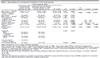
Smoking status showed a significant difference, with a higher proportion of smokers in the group of individuals with psychiatric disorders without a recent suicide attempt compared to the HC group (?2 = 7.953, p = 0.019). A lifetime history of alcohol or substance use disorders was more prevalent in the group of individuals who had recently attempted suicide, compared to both the individuals with psychiatric disorders without a recent suicide attempt and the HC group (?2 = 19.197, p < 0.001). The BIS-11 and BPAQ scores were significantly higher in the group of individuals who had recently attempted suicide compared to the HC group (BIS-11: F = 25.153, p < 0.001; BPAQ: F = 29.296, p < 0.001) (Table 1).
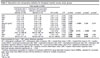
Albumin levels differed significantly between the three groups, with the group of individuals who had recently attempted suicide showing significantly lower levels than the HC group (F = 5.876, p = 0.001). Similarly, the NAR was considerably higher in the group of individuals who had recently attempted suicide compared to both the individuals with psychiatric disorders without a recent suicide attempt and the HC groups (F = 5.049, p < 0.001). SIRI and PIV were also significantly elevated in the group of individuals who had recently attempted suicide compared to the HC group (SIRI: F = 4.625, p = 0.009; PIV: F = 3.257, p = 0.035). None of the other biomarkers showed significant differences between the groups (Table 2).
| Total sample (n=259) | ||||||||
|---|---|---|---|---|---|---|---|---|
| Individuals with a recent suicide attempt (n=100) | Individuals with psychiatric without a recent suicide attempt (n=74) | HC (n=85) | ?2/F | p-value | p-value╬ | p-value§ | p-value|| | |
| CRI┼ | 3.70±1.31 | 3.44±1.41 | 3.67±1.72 | 4.340 | 0.528 | |||
| CRII┼ | 2.31±1.05 | 2.05±1.06 | 2.34±1.24 | 4.049 | 0.308 | |||
| AIP┼ | 0.35±0.27 | 0.27±0.29 | 0.31±0.29 | 5.062 | 0.141 | |||
| AC┼ | 2.70±1.31 | 2.44±1.41 | 2.67±1.72 | 4.340 | 0.528 | |||
| Albumin (g/dL)┼ | 4.20±0.54 | 4.49±0.36 | 4.30±0.41 | 5.876 | 0.001 | < 0.001 | 0.280 | 0.075 |
| NLR┼ | 3.19±2.19 | 2.50±1.74 | 2.92±2.39 | 1.886 | 0.201 | |||
| MLR┼ | 0.32±0.35 | 0.23±0.11 | 0.27±0.14 | 1.449 | 0.057 | |||
| PLR┼ | 147.69±91.63 | 139.39±76.23 | 150.23±56.89 | 0.810 | 0.853 | |||
| NAR┼ | 1.55±0.64 | 1.24±0.62 | 1.23±0.55 | 5.049 | < 0.001 | 0.113 | < 0.001 | 1.000 |
| SII┼ | 1007.13±886.82 | 846.25±887.44 | 868.69±746.41 | 1.119 | 0.401 | |||
| SIRI┼ | 2.03±1.41 | 1.41±1.33 | 1.55±1.23 | 4.625 | 0.009 | 0.042 | 0.021 | 1.000 |
| PIV┼ | 645.25±571.18 | 503.90±657.44 | 461.24±368.63 | 3.257 | 0.035 | 0.650 | 0.030 | 0.774 |
Data presented as mean ± SD, unless otherwise specified.
AC = atherogenic coefficient; AIP = atherogenic index of plasma; CRI = Castelli Risk Index-I; CRII = Castelli Risk Index-II; HC = healthy control; MLR = monocyte-to-lymphocyte ratio; NAR = neutrophil-to-albumin ratio; NLR = neutrophil-to-lymphocyte ratio; NS = individuals with psychiatric disorders without a recent suicide attempt; PIV = pan-immune-inflammation value; PLR = platelet-to-lymphocyte ratio; S = individuals with a recent suicide attempt; SII = systemic immune inflammation index; SIRI = system inflammation response index.
Bold type denotes statistical significance (p < 0.05).
┼ Pairwise comparisons are based on analysis of covariance (ANCOVA) using estimated marginal means (EMMs), adjusted for covariates (age, body mass index [BMI] and sex) with the Bonferroni method for multiple comparisons.
╬ S vs. NS.
§ S vs. HC.
|| NS vs. HC.
No significant differences were identified in the distribution of psychiatric diagnoses across the groups (?2 = 0.363, p = 0.948). In the group of individuals who had recently attempted suicide (n=100), 50% of the patients had MDD, 20% had schizophrenia spectrum disorders, 15% had bipolar disorder, and 15% had other diagnoses. In the group of individuals with psychiatric disorders without a recent suicide attempt (n=74), 48.6% of the patients were diagnosed with MDD, 17.6% with schizophrenia spectrum disorders, 16.2% with bipolar disorder, and 17.6% with other conditions. Prior suicide attempts were significantly more frequent in the group of individuals who had recently attempted suicide (49%) compared to the individuals with psychiatric disorders without a recent suicide attempt (17.6%) (?2 = 18.320, p < 0.001) (Table 1). Additionally, 25% of the patients in the group of individuals who had recently attempted suicide exhibited psychotic symptoms during their suicide attempt, 44% used violent methods (e.g., hanging, shooting, or stabbing), and 22% had life-threatening attempts.
The study evaluated psychological markers (e.g., BIS-11 and BPAQ), peripheral inflammatory markers (e.g., NLR, MLR, SII, and NAR), and atherogenic indices (e.g., AIP and CRI-I and II) among individuals who had recently attempted suicide (n = 49) and individuals with psychiatric disorders without a recent suicide attempt (n = 13), both groups having a history of prior suicide attempts. No significant differences were observed between the groups (p > 0.05 for all measures), except for the AIP, which was significantly lower in the group of individuals with psychiatric disorders without a recent suicide attempt (p = 0.021).
As shown in Table 3, among individuals with a recent suicide attempt, AIP and NAR were significantly lower in the violent suicide group compared to the nonviolent suicide group (p < 0.05). Other markers, including BIS-11, BPAQ, albumin, and SII, did not show significant differences between the groups (p > 0.05).
| Nonviolent (n=56) | Violent (n=44) | F | p-value | |
|---|---|---|---|---|
| BIS-11┼ | 64.20±15.39 | 67.77±14.60 | 1.56 | 0.215 |
| BPAQ┼ | 74.68±21.26 | 76.11±23.08 | 0.53 | 0.470 |
| CRI╬ | 3.68±1.42 | 3.74±1.20 | 0.02 | 0.887 |
| CRII╬ | 2.30±1.07 | 2.32±1.05 | 0.00 | 0.951 |
| AIP╬ | 0.39±0.26 | 0.31±0.28 | 4.73 | 0.032 |
| AC╬ | 2.68±1.42 | 2.74±1.20 | 0.02 | 0.887 |
| Albumin╬ | 4.25±0.58 | 4.15±0.49 | 0.76 | 0.387 |
| NLR╬ | 3.12±1.97 | 3.30±2.47 | 0.03 | 0.872 |
| MLR╬ | 0.33±0.45 | 0.33±0.16 | 0.02 | 0.903 |
| PLR╬ | 130.49±62.33 | 169.59±116.14 | 3.95 | 0.050 |
| NAR╬ | 1.66±0.63 | 1.42±0.64 | 4.61 | 0.034 |
| SII╬ | 920.11±585.04 | 1117.89±1162.11 | 0.80 | 0.374 |
| SIRI╬ | 2.03±1.29 | 2.04±1.58 | 0.26 | 0.612 |
| PIV╬ | 602.88±387.39 | 699.18±744.21 | 0.15 | 0.699 |
Data presented as mean ± SD, unless otherwise specified.
AC = atherogenic coefficient; AIP = atherogenic index of plasma; BIS-11= Barratt Impulsiveness Scale-11; BPAQ = Buss-Perry Aggression Questionnaire; CRI = Castelli Risk Index-I; CRII = Castelli Risk Index-II; MLR = monocyte-to-lymphocyte ratio; NAR = neutrophil-to-albumin ratio; NLR = neutrophil-to-lymphocyte ratio; PIV = pan-immune-inflammation value; PLR = platelet-to-lymphocyte ratio; SII = systemic immune inflammation index; SIRI = system inflammation response index.
Bold type denotes statistical significance (p < 0.05).
Analysis of covariance (ANCOVA) adjusted for covariates: ┼ adjusted for age and sex; ╬ adjusted for and age, sex, and body mass index.
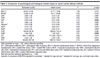
Table 4 displays the partial correlations between the variables, controlling for age, sex, and BMI. The BIS-11 scores were negatively correlated with SII (r = -0.186, p = 0.003), PIV (r = -0.189, p = 0.003), NLR (r = -0.155, p = 0.014), and PLR (r = -0.167, p = 0.008). No significant correlations were found between these biomarkers and BPAQ scores (p > 0.05).
| Control variables | SII | SIRI | PIV | CRI | CRII | AIP | AC | Albumin | NLR | MLR | PLR | NAR |
|---|---|---|---|---|---|---|---|---|---|---|---|---|
| BIS-11 | ||||||||||||
| Correlation | -0.186 | -0.152 | -0.189 | -0.021 | -0.077 | 0.030 | -0.021 | 0.076 | -0.155 | -0.117 | -0.167 | -0.121 |
| Significance (two-tailed) | 0.003 | 0.016 | 0.003 | 0.743 | 0.224 | 0.636 | 0.743 | 0.228 | 0.014 | 0.063 | 0.008 | 0.055 |
| BPAQ | ||||||||||||
| Correlation | 0.022 | 0.090 | 0.106 | 0.079 | 0.038 | 0.076 | 0.079 | 0.049 | -0.011 | 0.116 | -0.034 | 0.030 |
| Significance (two-tailed) | 0.734 | 0.153 | 0.093 | 0.214 | 0.547 | 0.227 | 0.214 | 0.443 | 0.868 | 0.066 | 0.591 | 0.640 |
AC = atherogenic coefficient; AIP = atherogenic index of plasma; BIS-11 = Barratt Impulsiveness Scale-11; BPAQ = Buss-Perry Aggression Questionnaire; CRI = Castelli Risk Index-I; CRII = Castelli Risk Index-II; MLR = monocyte-to-lymphocyte ratio; NAR = neutrophil-to-albumin ratio; NLR = neutrophil-to-lymphocyte ratio; PIV = pan-immune-inflammation value; PLR = platelet-to-lymphocyte ratio; SII = systemic immune inflammation index; SIRI = system inflammation response index.
Bold type denotes statistical significance (p < 0.05).
Partial correlations were computed while controlling for age, sex, and body mass index (BMI). Significance values are two-tailed.
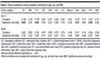
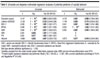
Table 5 presents the results of univariate and stepwise multivariate regression analyses to identify predictors of recent suicidal behavior that could significantly distinguish these individuals from the other two groups (individuals with psychiatric disorders without a recent suicide attempt and HC). In the univariate analyses, education (ß = -0.147, p < 0.001) and lifetime alcohol and substance use disorder (ß = -2.103, p < 0.001) were negatively associated with suicidal behavior, while BIS-11 (ß = 0.050, p < 0.001) and BPAQ (ß = 0.040, p < 0.001) scores showed a positive association. NAR (ß = 0.842, p < 0.001) was identified as a significant risk factor, while serum albumin level had a negative association (ß = -0.898, p = 0.002). In the multivariate analysis, education (ß = -0.153, p = 0.001) and lifetime alcohol and substance use disorder (ß = -1.749, p = 0.003) remained significant predictors, while BIS-11 (ß = 0.041, p = 0.001) and BPAQ (ß = 0.032, p < 0.001) continued to be significant risk factors. NAR (ß = 0.933, p = 0.001) and albumin (ß = -0.873, p = 0.017) also showed significant associations. The SIRI and PIV variables were not included in the multivariate model.
| Univariate | Multivariate┼ | |||||
|---|---|---|---|---|---|---|
| ß | Sig. | Exp (B) (95%CI) | ß | Sig. | Exp (B) (95%CI) | |
| Education (years) | -0.147 | 1 × 10⁻³ | 0.863 (0.802-0.929) | -0.153 | 0.001 | 0.858 (0.780-0.943) |
| Lifetime AUD/SUD | -2.103 | 1 × 10⁻³ | 0.122 (0.044-0.336) | -1.749 | 0.003 | 0.174 (0.055-0.552) |
| BIS-11 | 0.050 | 1 × 10⁻³ | 1.051 (1.032-1.071) | 0.041 | 0.001 | 1.042 (1.016-1.068) |
| BPAQ | 0.040 | 1 × 10⁻³ | 1.041 (1.027-1.055) | 0.032 | 1 × 10⁻³ | 1.033 (1.015-1.050) |
| NAR | 0.842 | 1 × 10⁻³ | 2.321 (1.526-3.531) | 0.933 | 0.001 | 2.543 (1.490-4.340) |
| SIRI | 0.301 | 0.002 | 1.351 (1.117-1.635) | E | ||
| PIV | 0.001 | 0.017 | 1.001 (1.000-1.001) | E | ||
| Albumin | -0.898 | 0.002 | 0.407 (0.230-0.723) | -0.873 | 0.017 | 0.418 (0.204-0.854) |
AUD = alcohol use disorder; BIS-11 = Barratt Impulsiveness Scale-11; BPAQ = Buss-Perry Aggression Questionnaire; E = excluded by the model; NAR = neutrophil-to-albumin ratio; SUD = nonalcohol substance use disorder.
Bold type denotes statistical significance (p < 0.05).
Variables excluded from the model include system inflammation response index (SIRI) and pan-immune-inflammation value (PIV).
┼ Forward logistic regression (stepwise) was performed. Model ?2(6) = 104.252, p < 0.001, with a correct classification percentage of 76.4% and Nagelkerke R2 of 0.450.
DISCUSSION
In the current study, we aimed to examine and identify potential relationships between suicide attempts and peripheral inflammatory markers, atherogenic indices, serum albumin levels, trait impulsiveness, and aggression. This research adopts a transdiagnostic approach, utilizing a large sample size that includes individuals who have recently attempted suicide, a matched psychiatric group without suicidal behavior, and a HC group. Our findings revealed that individuals who recently attempted suicide exhibited significantly higher levels of impulsivity and aggression compared to the HC group. Additionally, this group had lower serum albumin levels and altered NAR, suggesting a potential link between chronic inflammation and increased suicide risk.29 The atherogenic indices did not show significant differences between the groups, which underscores the complexity of the relationship between lipid metabolism and suicidal behavior, indicating the need for further research.30
Impulsivity and aggression are well-established traits that have been extensively linked to suicidal behavior, supported by decades of research and clinical evidence.31-33 Impulsivity is characterized by actions taken without sufficient forethought, often leading to risky behaviors, while aggression involves hostile or violent actions that can be directed toward oneself or others. These traits are regulated by overlapping neural circuits involving prefrontal and limbic structures, including the amygdala, which play crucial roles in impulse control, emotional regulation, and decision-making. Dysregulation of serotonin and dopamine systems within these circuits is particularly significant.3,31 Serotonin is essential for inhibiting impulsive behaviors, while dopamine influences reward processing and aggression. Disruptions in these systems heighten impulsivity and aggression, thus increasing the risk of suicidal behavior.34 In our study, both impulsivity and aggression were higher in the group of individuals who had recently attempted suicide compared to the HC group. However, these traits did not show significant differences when compared to the individuals with psychiatric disorders without a recent suicide attempt group with matched diagnoses. Despite this, in our regression model, both impulsivity and aggression emerged as important predictors of suicidal behavior. This finding suggests that while impulsivity and aggression contribute to suicide risk, the relationship between these traits and suicidal behavior may be more influenced by underlying psychiatric disorders than by suicidal behavior itself, as evidenced by the lack of significant differences in impulsivity and aggression scores between individuals who had recently attempted suicide and individuals with psychiatric disorders without a recent suicide attempt.3,31 While impulsivity and aggression remain important factors, further research is needed to clarify their unique and overlapping roles in suicidality and psychiatric conditions.
Impulsivity and aggression have been implicated in suicidal behavior through various neurobiological mechanisms, and chronic inflammation has been shown to exacerbate these traits, linking them to suicidality. Increased levels of pro-inflammatory cytokines, such as IL-6 and TNF-alpha, can disrupt serotonin pathways, reduce serotonin availability, and contribute to mood dysregulation and increased impulsivity.19,35 However, despite these well-documented connections, our study did not find a significant relationship between impulsivity, aggression, and inflammatory markers. This outcome may reflect the inherent challenges in clearly defining and differentiating these overlapping traits, suggesting that the interactions between impulsivity, aggression, and inflammation are more intricate and multifaceted than previously thought.14
Inflammation is increasingly recognized as a key factor in the development of suicidality, with numerous studies reporting abnormalities in cytokines such as IL-6, TNF-alpha, and IL-1ß across neuropsychiatric conditions like MDD, schizophrenia, and bipolar disorder.29,36 Mechanistically, inflammation triggers depressive symptoms and has been linked to suicidality in patients undergoing interferon-based or IL-2 immunotherapy, during which many develop depressive-like symptoms.37 Additionally, studies show that peripheral inflammation, induced by agents like lipopolysaccharide, can lead to central nervous system effects through the release of pro-inflammatory cytokines, contributing to mood disturbances and heightened suicide risk. However, such peripheral effects may not necessarily reflect changes in inflammatory markers or neurotransmitter systems within brain regions directly controlling these behaviors.20,38 These links are further supported by post-mortem studies revealing increased inflammation in the brains of suicide victims, such as elevated IL-4 and IL-13 mRNA in the orbitofrontal cortex and increased microgliosis in individuals with depression and schizophrenia. Clinical studies have also identified elevated IL-6 levels in the cerebrospinal fluid of patients who have recently attempted suicide, which was correlated with depression severity.39 Furthermore, albumin is a negative acute-phase protein whose serum levels are down-regulated in response to inflammatory processes, which are also associated with suicidal behavior.14 In the current study, albumin levels were significantly lower in the suicidal group, with albumin emerging as a strong predictor of suicidal behavior.
Robust data from recent studies suggest that elevated levels of white blood cells, monocytes, and neutrophils, which contribute to a heightened inflammatory state, are closely linked to psychiatric disorders and an increased risk of suicide.40 Systemic inflammatory markers, such as NLR, MLR, and PLR, along with novel indices such as SII and SIRI, provide a comprehensive assessment of this inflammatory state and have been associated with both the severity of depression and suicidal behavior.19 Based on these data, we investigated SIRI, SII, NLR, MLR, PLR, NAR, and PIV in individuals with a history of suicide attempts. NAR is a new inflammatory biomarker calculated from neutrophil and albumin levels, recognized for its accuracy in reflecting inflammation.12 Neutrophils, which are crucial to the inflammatory response, typically show elevated levels across various conditions, while albumin levels tend to decrease in response to oxidative stress and systemic inflammation.41,42 The combination of these two parameters in the NAR may reflect both acute inflammatory responses and chronic conditions associated with low albumin.43 In the current study, we not only observed an elevation in the NAR value but also found it to be a significant predictor of suicidal behavior, underscoring its potential as a valuable biomarker for identifying individuals at heightened risk of suicide.12 This was further substantiated by the significantly lower serum albumin levels observed in this group, consistent with evidence linking low albumin levels to depression across a range of psychiatric conditions, including suicidality.33,44,45 Although SIRI and PIV were also elevated in the group of individuals who had recently attempted suicide, they did not serve as significant predictors in our analysis. This might be because these indices capture broader inflammatory processes that may not directly correlate with the chronic inflammatory states associated with suicidal behavior. These findings reinforce the notion that inflammation may play an important role in suicidality and that NAR, due to its unique composition, could provide additional insights into suicide risk beyond other traditional markers.12,46
Dyslipidemia has been linked to several psychiatric conditions, including suicidality.47 n addition to traditional lipid profiles, atherogenic indices such as CRI-I, CRI-II, AIP, and AC provide a broader assessment of lipid dysfunction by integrating multiple lipid parameters.48,49 Although these indices have primarily been studied in the context of depression, they have also been associated with an increased risk and severity of depression.30 However, the link between atherogenic indices and suicidality, as well as traits such as impulsivity and aggression, remains underexplored. Our findings did not reveal significant differences in atherogenic indices between individuals who had recently attempted suicide, individuals with psychiatric disorders without a recent suicide attempt, and HC. Nor were there significant associations between these indices and measures of impulsivity or aggression. This aligns with findings from Dharmaraj et al.,50 suggesting that atherogenic indices may not serve as reliable predictors in specific contexts, such as the duration of hospital stay, thus limiting their predictive value beyond traditional cardiovascular assessments. Additionally, our findings are in line with several studies that have similarly failed to establish an association between cholesterol levels and suicidality.9,11,51-53 Furthermore, the results of the current study are consistent with other independent studies conducted on patients with bipolar disorder and major depressive disorder, which also did not identify differences in serum cholesterol content.10,47
A multivariate analysis conducted in the current study identified both education level and lifetime alcohol and substance use disorder as significant predictors of suicidal behavior. Lower education was associated with an increased suicide risk, potentially due to fewer coping strategies or limited access to resources.54 Additionally, a history of substance use disorder strongly predicted suicidality, consistent with the extensive body of research linking substance abuse to increased impulsivity, mood instability, and suicidal behavior.55 The healthy control group likely represented individuals with higher educational attainment due to their pre-employment health screening context. In contrast, the patient group, predominantly with psychiatric disorders, displayed lower education levels and higher rates of substance use. These differences reflect real-world disparities and further support the observed association between lower education and increased suicide risk in this study.56 These findings emphasize the importance of addressing educational disparities and substance use in suicide prevention strategies.
A key limitation of the current study is its cross-sectional design, which prevents drawing conclusions about causal relationships between the identified risk factors and suicidal behavior. Additionally, the study population consisted of patients who had recently been hospitalized for suicide attempts, which may not fully represent individuals with chronic suicidal ideation or those who have attempted suicide but have not sought medical care. The exclusion of individuals with medical comorbidities or those receiving certain medications, such as anti-inflammatory drugs, may limit the generalizability of the findings to the broader population. Moreover, there is uncertainty regarding how changes in peripheral markers affect brain function, if at all. In the group recently hospitalized for a suicide attempt, factors such as medical interventions, the stress associated with the suicide attempt, and other variables may have influenced immune parameters, adding complexity to the interpretation of the results. Another limitation is the lack of information on participants' trauma history, which could have significantly impacted inflammatory and psychological outcomes but was not assessed in this study. Additionally, while stepwise regression is effective for identifying significant predictors, it carries a risk of overfitting, and a theoretically driven model could have provided a simpler and more robust alternative. While the study controlled for several confounders, other unmeasured factors, such as genetic predispositions or life stressors, could also influence the results. Finally, although several inflammatory markers and atherogenic indices were examined in this study, future research should explore a broader range of biomarkers and incorporate longitudinal data to better understand the dynamic relationship between biological factors and suicidality.
The current study provides valuable insights into the relationship between suicidality and key biological and psychological markers, including impulsivity, aggression, peripheral inflammatory markers, atherogenic indices, and serum albumin levels. Our findings highlight that impulsivity and aggression are associated with suicidal behavior, although these traits may also reflect underlying characteristics of psychiatric disorders rather than serving as specific predictors of suicide. Additionally, low serum albumin levels and elevated NAR were identified as significant predictors of suicide risk, emphasizing the role of inflammation in suicidality. Despite the lack of significant differences in atherogenic indices between groups, the complexity of the connections between lipid metabolism and suicidality suggests that further investigation is needed. Another important finding of the current study was that lower education levels and substance use disorders were significant predictors of suicidal behavior. These results underscore the need for targeted prevention strategies that address both biological and socio-environmental risk factors, contributing to the growing body of research and reinforcing the importance of a multidisciplinary approach to understanding and preventing suicidal behavior.
Disclosure
The authors report no conflicts of interest.
Data availability statement
Original data from this study are available upon request to the corresponding author.
Author contributions
HG: Conceptualization, Data curation, Formal analysis, Investigation, Methodology, Software, Supervision, Writing - review & editing.
UT: Data curation, Methodology, Writing - review & editing.
MGA: Conceptualization, Investigation, Software, Writing - original draft.
MNN: Data curation, Resources, Writing - review & editing.
YHB: Conceptualization, Formal analysis, Investigation, Methodology, Project administration, Supervision, Validation, Writing - review & editing.
All authors have read and approved of the final version to be published.
Handling Editor: Gabriel Fries
 PDF
 Print
 Send this article by email
 How to cite this article
 Submit a comment
 Mendeley
 Pocket
 Share on Facebook
 Share on Twitter



