



ABSTRACT:
OBJECTIVE: To investigate the association between depressive symptoms and social support among
a representative sample of the Brazilian population aged 50 years or older.
METHODS: Cross-sectional study of 8,074 participants of the second wave of the Brazilian Longitudinal
Study on Aging (ELSI-Brasil). Depressive symptoms were screened with the Center for
Epidemiologic Studies Depression Scale (CES-D8) instrument, and social support was
investigated in its structural and functional dimensions. Sociodemographic variables
and health conditions were considered for adjustment in investigating the association
between social support and depressive symptoms using the Poisson regression model.
RESULTS: The prevalence of depressive symptoms was estimated at 19.1% (95%CI 16.7-21.7). In
the analysis adjusted for possible confounding factors, depressive symptoms were independently
associated with negative social support in the items "not married" (prevalence ratio
[PR] = 1.24; 95%CI 1.07-1.44), "not having someone to trust" (PR = 1.31; 95%CI 1.10-1.56)
and "not having someone to borrow money or an object from, in case of need" (PR =
1.46; 95%CI 1.21-1.75).
CONCLUSION: The present findings highlight the importance of social relations in determining the
presence of depressive symptoms and reinforce the need to implement public policies
aimed at strengthening social networks to minimize this public health problem.
Keywords: Depressive symptoms; social support; older adults; health of older adults.
| Received: January 10 2024; Accepted: August 10 2024 |
INTRODUCTION
Depressive disorders are mental disorders characterized by the presence of feelings of sadness, emptiness, and irritable mood, accompanied by somatic and cognitive changes, whose diagnosis is based on symptoms that form a syndrome and result in functional impairment.1 In 2019, approximately 280 million people worldwide were living with depressive disorders - a prevalence of 5% among adults (aged 20 or older), which makes it the most common mental disorder in this population segment.2
Demographic transformations (in this case, population aging) and the epidemiological transition have given chronic non-communicable diseases (NCDs), including mental disorders, an increasingly important role in shaping the epidemiological profile of human populations. Among older adults, depressive disorders are also common: two recent meta-analyses estimated the overall prevalence of depression among older adults at between 13.33 and 31.7%.4 In Brazil, a systematic review with meta-analysis estimated that 21% of older Brazilian adults had depressive symptoms.5
In this population segment, depressive disorders are an important risk factor for disability,4 negatively impacting quality of life6; they have been associated with increased risk of suicide7 and excess mortality.4 In addition, the presence of depressive disorders in older adults is related to significantly higher health costs.8
The pathogenesis of depressive disorders is complex, and their occurrence has been associated with a wide range of factors, including demographic, socioeconomic, and biological ones. Female gender, older age, and low income and educational level are the sociodemographic characteristics most consistently associated with depressive symptoms among older adults in different populations.4,9 Regarding biological factors, there is evidence of an association between depressive disorders and NCDs, especially cardiovascular diseases and diabetes.10
Research has shown that mental health is influenced not only by sociodemographic factors and health conditions, but also by the interactions between people in society and how they relate to the social environment around them. Social support is understood as the existence of social networks which enable the establishment of relationships and social interactions between their members (whether family, friends, or professionals), enabling support actions that improve the well-being of those who receive them.
Social support can be described as perceived (available) or received (effective) and has two dimensions: structural and functional. Perceived social support refers to a person's potential access to social support, while received support is the exchange or use of social support resources reported by an individual.11 The structural dimension covers quantitative aspects of social relationships (individuals with whom one has an interpersonal relationship and the connections between these individuals). This structure can be characterized by aspects such as number and type of relationships, frequency, duration, diversity, density, and reciprocity of contacts. The functional dimension covers qualitative aspects of social relationships and concerns the support offered; it can be measured by evaluation of aspects such as emotional support (involves affection and trust) and instrumental/material support (involves real support in activities and financial assistance) received.12
The relationship between social support and depressive symptoms among older adults is well documented in the international literature,13,14 indicating a lower occurrence of the latter in the presence of the former. However, Brazilian literature investigating the relationships between social support and depressive disorders, both on a population-wide basis and among older adults, is scarce. A longitudinal population-based study with regional coverage, conducted with 551 older adults (aged 60 or older) living in the community, observed a reduction in the number of depressive symptoms when there was social support, considering both dimensions. Being married, interacting more intensely with relatives, and being satisfied with family relationships decreased the number of depressive symptoms, while living alone had the opposite effect.15 Another cross-sectional study, conducted with a representative sample of the Brazilian population aged 60 or older, showed a lower prevalence of depressive symptoms among those who received support from family and friends and engaged in religious and leisure activities.16
Considering the above, the present study aimed to investigate the association between depressive symptoms and social support among Brazilians aged 50 or older from a cross-sectional perspective.
METHODS
Design, scenario, and study population
This study used data from the second wave of the Brazilian Longitudinal Study on Aging (ELSI-Brasil). The ELSI-Brasil sample was designed to represent the Brazilian population aged 50 or older. Sampling was designed in selection stages, considering the municipality, census tract, and household. ELSI-Brasil is conducted in 70 municipalities located across the five macro-regions of the country. Sample replacement is performed at each wave to ensure national representativeness.17
The sample weights used considered the different probabilities of selection and non-differentiated responses. All residents aged 50 or older from the selected households were eligible for individual interviews. The baseline survey was conducted in 2015-2016, and the second wave in 2019-2021. Additional details have been published elsewhere.17 For the present analysis, all 8,954 participants of the second wave of the study who answered the questionnaire without the help of a close informant were eligible.
Data collection and study variables
Data were collected through interviews conducted at the participants' homes; they included individual and household information, physical measurements, and biomaterial collection, stored for future analysis. Participant data involved sociodemographic, work, and retirement characteristics, health behaviors, physical and mental health, psychosocial measures, and use of medications and health services, among other variables. The database, dictionary of variables, and protocols are freely accessible to researchers (registration required) at https://elsi.cpqrr.fiocruz.br/en/register/.17
The presence of depressive symptoms (dependent variable) was evaluated using the 8-item Center for Epidemiologic Studies Depression Scale (CES-D8), an abbreviated version of the CES-D2018 that has comparable psychometric properties across sex, age, and country.19 It is often preferred over other versions because it is shorter and has similar internal consistency, reliability, and validity to the CES-D10 and CES-D20 versions.19 All questions are scored as a yes or no option. The scale questions are: 1) Much of the time during the past week, I felt depressed; 2) I felt everything I did was an effort; 3) My sleep was restless; 4) I was happy; 5) I felt lonely; 6) I enjoyed life; 7) I felt sad; 8) I could not "get going." For each respondent, the total number of yes responses to questions 1, 2, 3, 5, 7, and 8 and the no responses to questions 4 and 6 were summed to arrive at a total CES-D8 score ranging from 0-8. In the Brazilian validation of CES-D, the receiver operating characteristic (ROC) analysis showed excellent discriminatory power (area under the curve [AUC] = 0.977; 95%CI 0.975-0.980) for distinguishing the depressed from the reference group. The optimal cutoff value of the CES-D8 for identifying clinically significant depressive symptoms was 3/4, while sensitivity, specificity, and accuracy were 94.3, 84.5, and 90.9%, respectively (Castro-Costa, 2024, submitted).
The exposure of interest was social support, investigated in its structural and functional dimensions, each measured by four questions. Four items were considered in the investigation of the structural dimension of social support, covering aspects of the social network and the frequency of social interaction: 1) marital status (married vs. not married); 2) cohabitation status (living alone vs. not living alone); 3) frequency of face-to-face interactions with children, relatives, and friends (at least once a week vs. less than once a week); 4) frequency of interactions via telephone or Skype/internet with children, relatives, and friends (at least once a week vs. less than once a week). In this dimension, social support was classified as negative for each item separately when the participant was not married, lived alone, and interacted face-to-face or by phone/Skype/internet less than once a week.
The functional dimension of social support refers to instrumental and emotional support. This dimension also encompassed four items: 1) instrumental support at home; 2) instrumental support outside the home; 3) financial instrumental support; and 4) emotional support. Instrumental support at and outside the home refers to having someone help with household chores and activities outside the home, such as shopping and payments, in the context of illness. On the other hand, financial instrumental support refers to having someone to borrow objects and money from, if necessary. Lastly, emotional support is having somebody one can trust or confide in. Not having someone to help with household chores and activities outside the home and not having somebody one can rely on or turn to in case of material needs implies the classification of functional social support as negative, separately for each item.
For adjustment, investigating the hypothesis of association between social support and the presence of depressive symptoms considered sociodemographic variables and descriptors of the health condition. Sociodemographic variables were gender (male or female), age (50-59, 60-69, 70-79, 80+), self-reported skin color (white, black, brown, indigenous/oriental), education (< 4 years of study, 4-7 years of study, 8+ years of study), and individual income based on national minimum wage (in quartiles).
The health condition descriptor variables included self-rated health (very good/good; fair; poor/very poor) and self-reported medical diagnosis, at any point in life, of predefined objective health conditions (hypertension, diabetes, heart attack, angina, stroke, chronic obstructive pulmonary disease, cancer, chronic renal failure, and Parkinson's disease; all scored as yes or no). Based on these dichotomous responses (0 = no; 1 = yes), the variable number of chronic diseases was constructed, corresponding to the sum of positive responses.
Data analysis
Absolute and relative frequencies were used to characterize the study population and the distribution of depression concerning the study variables. Participants with and without depressive symptoms were compared in relation to the study variables based on Pearson's chi-square test, using the Rao-Scott correction factor, as this was a complex sample.
Univariate and multivariate analyses were used to test the hypothesis of an association between social support and depressive symptoms. The hypothesis test of association was based on the Poisson regression model, which provides the prevalence ratio as a measure of association with a 95%CI. Statistical analyses were performed in the following sequence: 1) univariate analysis; 2) multivariate analysis corresponding to mutual adjustment between the eight items of social support; and 3) multivariate analysis to define the final model, with the adjustment variables (sociodemographic and health). The final model (step 3) included only those social support items that, in the mutual adjustment (step 2), were associated with depressive symptoms at a significance level of p < 0.05; this same criterion was considered to identify the social support items independently associated with depressive symptoms. The analyses were conducted in the STATA version 14.0 statistical software environment.
Ethics statement
ELSI-Brasil was approved by the research ethics committee of Instituto René Rachou, Fundação Oswaldo Cruz (CAAE: 34649814.3.0000.5091). All interviewed participants signed an informed consent form (ICF).
RESULTS
The present study included 8,074 participants for whom complete information was available for all variables of interest. Table 1 presents the characteristics of the study population and the proportional distribution of depressive symptoms. Most of the participants were female (55.4%), aged 59-69 (78.7%), with up to 8 years of schooling (70.2%); 9 out of 10 participants were white or brown. As for health-related variables, approximately half assessed their health positively (50.1% said they perceived their health as good/very good), and 58.5% reported medical diagnoses for at least one of the NCDs of interest.
| Depressive symptoms (CES-D8 = 4) | ||||
|---|---|---|---|---|
| Characteristics | Total (n=8,074) | Yes (n=1,501) | No (n=6,573) | p-value* |
| Gender | ||||
| Male | 44.6 | 13.7 (11.5-16.3) | 86.3 (83.7-88.5) | < 0.001 |
| Female | 55.4 | 23.4 (20.5-26.6) | 76.6 (73.4-79.5) | |
| Age (years) | ||||
| 50-59 | 48.8 | 20.9 (17.9-24.2) | 79.1 (75.8-82.1) | 0.007 |
| 60-69 | 29.9 | 17.0 (14.7-19.7) | 83.0 (80.3-85.4) | |
| 70-79 | 15.4 | 17.0 (14.3-20.7) | 83.0 (79.8-85.7) | |
| 80 or older | 5.9 | 19.7 (15.2-25.2) | 80.3 (78.3-83.3) | |
| Schooling (in years) | ||||
| None | 10.8 | 22.0 (17.7-26.9) | 78.0 (73.1-82.3) | 0.004 |
| 1-4 | 38.0 | 20.7 (17.9 -23.8) | 79.3 (76.2-82.1) | |
| 5-8 | 21.5 | 19.7 (16.7-22.9) | 80.3 (77.1-83.3) | |
| 9 or more | 29.8 | 15.6 (12.6-19.1) | 84.4 (78.3-83.3) | |
| Skin color/ethnicity | ||||
| White | 45.9 | 17.0 (14.6-19.7) | 83.0 (80.3-85.4) | 0.018 |
| Brown | 43.1 | 20.6 (17.8-23.8) | 79.4 (76.2-82.2) | |
| Black | 10.6 | 22.3 (17.0-28.6) | 77.7 (72.4-82.3) | |
| Indigenous/Oriental | 5.0 | 12.1 (4.5-28.6) | 87.9 (71.5-95.5) | |
| Individual income in quartiles (in R$) | ||||
| 1st quartile | 27.2 | 23.0 (19.5-26.9) | 77.0 (73.1-80.5) | < 0.001 |
| 2nd quartile | 24.5 | 22.0 (18.4-26.1) | 78.0 (73.9-81.6) | |
| 3rd quartile | 22.3 | 17.6 (14.8-20.8) | 82.4 (79.2-85.2) | |
| 4th quartile | 26.1 | 13.5 (10.9-16.6) | 86.5 (83.4-89.2) | |
| Self-assessment of health | ||||
| Very good/good | 50.1 | 0.9 (7.7-10.5) | 91.9 (89.5-92.4) | < 0.001 |
| Fair | 36.8 | 23.5 (20.2-27.1) | 76.5 (72.9-79.8) | |
| Poor/very poor | 13.1 | 45.5 (39.6-51.6) | 54.5 (39.6-51.6) | |
| Number of chronic diseases╬ | ||||
| 0 | 41.5 | 14.3 (12.1-16.8) | 85.7 (83.2-87.9) | < 0.001 |
| 1 | 37.0 | 18.2 (15.4-21.3) | 81.8 (78.7-84.6) | |
| 2 or more | 21.5 | 30.0 (26.0-34.3) | 70.0 (65.6-74.0) | |
Data presented as % (95%CI).
CES-D8 = Center for Epidemiologic Studies Depression Scale; ELSI-Brasil = Brazilian Longitudinal Study on Aging.
* Significant when < 0.05 (obtained by Pearson's chi-square with Rao-Scott correction factor).
┼ Weighted values.
╬ Lifetime diagnosis of hypertension, diabetes, heart attack, angina, stroke, chronic obstructive pulmonary disease, cancer, chronic kidney failure, or Parkinson's disease.
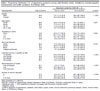
The prevalence of depressive symptoms estimated in this study was 19.1% (95%CI 16.7-21.7). Depressive symptoms were more frequent among female participants, at the extremes of age (age 50-59 and age 80 or older), and among Brown and Black participants, being lower in those with a higher educational attainment (9 or more years of schooling) and decreasing with individual income.
Considering the health descriptor variables, the prevalence of depressive symptoms was higher among participants with poorer health assessment, whether subjectively (negative self-rated health) or objectively (presence of chronic diseases) (Table 1).
Table 2 shows the distribution of the study population and depressive symptoms according to the social support items in their structural and functional dimensions. The most frequently observed items corresponding to low social support belong to the structural dimension: not married (37.4%) and living alone (20.4%). For the other items, the frequencies of those corresponding to low social support were lower than 10%. In almost all social support items investigated (the exception was living alone) of both dimensions, the proportion of participants positive for CES-D8 = 4 was higher in the presence of low social support, and all differences were significant (p < 0.05), except for talking on the phone weekly with children, relatives, or friends. The item living alone (structural social support) presented a different behavior from that observed for the other items: depressive symptoms were more frequent among those who did not live alone (positive social support), although the difference was not significant (p = 0.05) (Table 2).
| Depressive symptoms (CES-D8 =4) | ||||
|---|---|---|---|---|
| Characteristics | Total (n=8,074) | Yes (n=1,501) | No (n=6,573) | p-value* |
| Structural social support | ||||
| Married | ||||
| Yes | 62.6 | 17.3 (15.0-20.0) | 82.7 (80.0-85.1) | < 0.001 |
| No | 37.4 | 22.0 (18.8-25.6) | 88.0 (74.4-81.2) | |
| Lives alone | ||||
| No | 79.6 | 19.2 (16.2-22.2) | 80.8 (77.9-83.4) | 0.648 |
| Yes | 20.4 | 18.5 (15.7-21.7) | 81.5 (78.3-84.3) | |
| Meets with a child, relative, or friend at least once a week | ||||
| Yes | 97.6 | 18.9 (16.5-21.6) | 81.1 (78.4-83.5) | 0.049 |
| No | 2.4 | 25.4 (19.0-33.0) | 74.6 (67.1-81.0) | |
| Talks to children, relatives, or friends by phone or internet at least once a week | ||||
| Yes | 93.5 | 18.8 (16.3-21.5) | 81.3 (78.5-83.7) | 0.095 |
| No | 6.5 | 23.8 (18.3-30.3) | 76.2 (69.7-81.7) | |
| Functional social support | ||||
| There are those who help with homework due to illness | ||||
| Yes | 98.2 | 18.8 (16.4-21.4) | 71.2 (78.6-83.6) | < 0.001 |
| No | 1.8 | 33.6 (25.5-42.8) | 66.4 (57.2-74.5) | |
| There are those who help with shopping and activities outside the home due to illness | ||||
| Yes | 98.4 | 18.9 (16.6-21.6) | 81.1 (78.4-83.5) | 0.015 |
| No | 1.6 | 28.0 (20.2-37.3) | 72.0 (62.7-79.8) | |
| Have someone you can trust or confide in | ||||
| Yes | 94 | 18.3 (15.9-20.9) | 81.7 (79.1-84.1) | < 0.001 |
| No | 6.0 | 32.0 (26.6-38.0) | 68.0 (62.0-73.4) | |
| Have someone you can borrow money or an object from if you need to | ||||
| Yes | 92.1 | 18.0 (15.6-20.7) | 72.0 (79.3-84.4) | < 0.001 |
| No | 7.9 | 31.7 (26.5-37.4) | 68.3 (62.6-73.5) | |
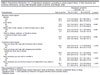
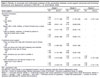
Table 3 shows the results of the univariate and multivariate analyses of the association between social support and depressive symptoms. With mutual adjustment for all social support items in both dimensions, meeting with children, relatives, or friends weekly and having someone help with household chores and chores outside the home when sick were no longer associated with depressive symptoms. After multiple adjustments for sociodemographic characteristics and health conditions, only one item of the structural dimension and two items of the functional dimension of social support were independently associated with depressive symptoms: the prevalence of depressive symptoms was significantly higher among older adults who reported not being married (PR =1.24; 95%CI 1.07-1.44), not having whom to trust (PR =1.31; 95%CI 1.10-1.56), and not having whom to borrow money or an object from in case of need (PR =1.46; 95%CI 1.21-1.75).
| Model 1 | Model 2 | Model 3 | ||||
|---|---|---|---|---|---|---|
| Social support | PR | 95%CI | PR | 95%CI | PR | 95%CI |
| Structural dimension | ||||||
| Married | ||||||
| Yes | 1.00 | 1.00 | ||||
| No | 1.27 | (1.11-1.46) | 1.37 | (1.18-1.59) | 1.24 | (1.07-1.44) |
| Lives alone | ||||||
| No | 1.00 | 1.00 | ||||
| Yes | 0.96 | (0.81-1.14) | 0.79 | (0.66-0.95) | - | - |
| Meets with a child, relative, or friend at least once a week | ||||||
| Yes | 1.00 | |||||
| No | 1.34 | (1.01-1.78) | 1.27 | (0.92-1.74) | - | - |
| Talks to children, relatives, or friends by phone or internet at least once a week | ||||||
| Yes | 1.00 | 1.00 | ||||
| No | 1.27 | (0.96-1.68) | 1.14 | (0.86-1.51) | - | - |
| Functional social support | ||||||
| There are those who help with homework due to illness | ||||||
| Yes | 1.00 | 1.00 | ||||
| No | 1.79 | (1.38-2.32) | 1.36 | (0.94-1.96) | - | - |
| There are those who help with shopping and activities outside the home due to illness | ||||||
| Yes | 1.00 | 1.00 | ||||
| No | 1.48 | (1.10-1.99) | 0.68 | (0.46-1.00) | - | - |
| Have someone you can trust or confide in | ||||||
| Yes | 1.00 | 1.00 | 1.00 | |||
| No | 1.76 | (1.47-2.09) | 1.43 | (1.17-1.74) | 1.31 | (1.10-1.56) |
| Have someone you can borrow money or an object from if you need to | ||||||
| Yes | 1.00 | 1.00 | 1.00 | |||
| No | 1.76 | (1.44-2.14) | 1.56 | (1.25-1.94) | 1.46 | (1.21-1.75) |
PR = prevalence ratio.
PR (95%CI), crude (model 1) and adjusted (models 2 and 3), obtained using the Poisson Regression model.
CES-D8 = Center for Epidemiologic Studies Depression Scale; ELSI-Brasil = Brazilian Longitudinal Study on Aging.
Model 1 = univariate analysis; Model 2 = multivariate analysis with mutual adjustment of social support items (both dimensions); Model 3 = model 2 + gender + age + education + skin color + individual income (in quartiles) + health self-assessment + number of chronic diseases (see Methods for disease discrimination).
DISCUSSION
The present study showed that approximately one in five older Brazilian adults (19.1%) had CES-D8 = 4, indicating the presence of depressive symptoms, with 20.9% among participants aged 50-59 and 17.3% among those aged 60 or older. The findings also revealed a negative and independent association between depressive symptoms and three items of social support in both dimensions (structural and functional). Regarding the structural dimension of social support, the prevalence of depressive symptoms was significantly higher among older adults who reported not being married. As for the functional dimension, participants who reported having no one to trust or to borrow money or an object from in case of need had a higher prevalence of depressive symptoms.
The prevalence of depressive symptoms observed in the present study falls within the wide range of values observed in different populations of the same age group (50-55 years and older) in which the CES-D (in its complete and short versions - respectively, CES-D20, CES-D10, and CES-D8) was used. The prevalence detected in our sample was higher than that observed among Taiwanese (5.2%) using the CES-D20,20 but lower than the 27% detected in a study carried out among Canadians using the CES-D10.21 Two studies using the CES-D8 found prevalences of 14.4 and 19.8% among American22 and Irish respondents, respectively.23
Specifically in older adult populations (age 60 or older), the prevalence of depressive symptoms was higher in this study than the 9.8% detected among older American and Australian adults,24 but lower than that observed among Indian (29%)25 and Chinese (37.9%)26 respondents; in the latter, the CES-D10 was used to screen for depressive symptoms.
To our knowledge, no population-based studies that have estimated the prevalence of depressive symptoms in the Brazilian population aged 50 or older with the CES-D8 (or any other screening instrument), which precludes any direct comparison of our findings. Lopes et al.27 used data from the 2013 and 2019 editions of the Brazilian National Health Survey (Pesquisa Nacional de Saúde, PNS) to evaluate the trend of depressive symptoms among Brazilians, and found prevalences of 11.9, 10.5, and 11.1% for the age groups 40-59, 60-69, and 70 or older, respectively, estimated using the Patient Health Questionnaire-9 (PHQ-9). These prevalences are lower than those observed among ELSI participants aged 50-59 and 60 or older. As in the present study, the prevalence was lower in older age groups than in the immediately preceding age groups.
Specifically in populations aged 60 or older, the prevalence verified in the present study was higher than the 14.2% observed for São Paulo9 and the 15.2% observed in Pelotas, state of Rio Grande do Sul,28 but lower than the 23.9% estimated for Florianópolis,29 studies in which versions 10 and 15 of the Geriatric Depression Scale (GDS) were used. Our prevalence estimate is still in the range of values (between 7.1 and 39.6%) described in a systematic review of Brazilian studies on the subject, published between 2000 and 2017, which mainly used the GDS-15 to screen for depressive symptoms.5
There are several plausible explanations for these discrepancies in the prevalence of depressive symptoms among epidemiological studies. Methodological differences in study design and population, especially the screening instrument used, contribute to this heterogeneity. When comparing the results of the present study with those from the literature, although population-based studies with older adults living in the community were most common, a varied range of screening instruments were used. The prevalence of depressive symptoms may vary depending on the screening tests used, and the same test may have different sensitivity and specificities depending on the cutoff points adopted. In turn, more sensitive tests tend to produce higher prevalence estimates, while more specific tests may underestimate them.28 For example, a systematic review restricted to Brazilian studies showed that the 12-item version of the General Health Questionnaire (GHQ-12) detected the highest prevalence of depression in older adults, although most studies used the GDS-15.5 In a systematic review and meta-analysis covering 48 articles published between 2000 and 2021 involving older adult populations from different countries and continents, the prevalences produced by GDS-15 were higher than those produced by CES-D.30 Another study detected a variation in the sensitivity and specificity of CES-D for screening of depressive symptoms among Hispanic and Latin American older adults due to adoption of different cutoff points.31
In addition, different authors have drawn attention to the impact of socioeconomic, cultural, and environmental contexts on the occurrence of depressive symptoms. Populations with higher rates of economic and social deprivation tend to have a worse quality of life and, therefore, are more prone to depression. Economic deprivation, in turn, hinders access to health services and treatment of mental illness. In many populations, the demand for health services to treat depression can also be inhibited due to cultural and religious stigmas involving mental health problems.28,30
The only item in the structural dimension of social support to be independently associated with depressive symptoms was being married versus unmarried, with a higher prevalence of depressive symptoms among people who reported not being married. This finding is in line with evidence found in other countries11,32 and Brazil.33 These results indicate that spousal support can be a consistent protective factor among older adults, although this is conditioned to a good marital relationship, as a conflictual relationship can be a strong determinant of depressive symptoms.34 The higher prevalence of depressive symptoms among unmarried people may be associated with the fact that they experience more loneliness, less self-confidence, and less social support, which is, in this case, provided by the spouse.35 Spouses can offer emotional support through love, affection, understanding, and comprehension, which, in the case of the latter, are also present in the support provided by confidants or friends.32
Regarding the functional dimension of social support, two items were independently associated with depressive symptoms: having someone to trust and having someone from whom to borrow money or an object in case of need. Our findings regarding the association between depressive symptoms and having someone to trust are consistent with other studies that have evaluated the theme. Among Canadian older adults, the presence of a confidant was negatively associated with depressive symptoms,34 as found in a community in southern India, although in the latter case, the number of confidants (four or more) was decisive.36 Also, among older Brazilians, having the support of family and friends was negatively associated with the presence of depressive symptoms.16
Three other studies of longitudinal design pointed out the protective effect of the presence of confidants against the development of depressive symptoms. Koizumi et al.37 used a five-item measure (including having someone to consult with when having problems) to prospectively assess the association between social support and depressive symptoms, finding a significantly increased risk for developing depressive symptoms among older Japanese adults with insufficient social support. In another study, among older Chinese adults, having relatives and/or friends willing to listen to them "when they wanted to talk about something" decreased the risk for depressive symptoms,38 while among older American adults, the frequency with which they can open up to family and friends about their problems - and the perception that they will receive help from them to solve these problems - protected against the development of depressive symptoms.14
Our study also found that the prevalence of depressive symptoms was lower among older adults who reported having someone to borrow money or an object from in case of need. Financial support is considered one of the aspects of instrumental/material support.39 In our literature review, we found only one study that addressed the specific association between this aspect of social support and depressive symptoms: among older Chinese adults, regular receipt of financial support was negatively associated with the incidence of depressive symptoms.38
The different ways of measuring social support can make it difficult to compare results among available studies. Some studies use a scale to measure social support based on the score of the items, calculating an overall score from the scores assigned to each of the respondents' answers. From this perspective, higher score values indicate higher levels of social support. These studies have consistently identified a negative association between social support and depressive symptoms.13
Another issue concerns variation in the questionnaire items used to measure aspects of social support. This sometimes prevents the detection of a specific aspect or component of social support, even when it is possible to identify the dimension to which the component belongs. For example, a Brazilian study based on data from the PNS-2019 showed that, among older adults, having family and friends on whom they could count in good or bad life events (structural dimension of social support) was negatively associated with the presence of depressive symptoms.16 These questions, while distinct, can somehow intersect with our questions about having a confidant and having someone from whom to borrow money or an object should the need arise. It is not unreasonable to think that the perception of being able to count on someone in the worst moments of one's life constitutes social support that can, in practice, be equivalent to the perception of having someone to trust (and share life problems) and/or someone to turn to in case of financial need.
Over the last decades, several authors39,40 have attempted to investigate and propose models to explain how social support relates to mental health and well-being. In its structural dimension, the availability of social support can be gauged by the presence of an important interpersonal relationship, such as with a spouse, close relatives, or friends. This can buffer stress, most likely because, on average, long-lasting, intimate relationships provide the sense that one's needs will be met.40 On the other hand, social ties represent defined roles within the social structure (husband/wife, father/son, friend/friend), which establish rights, commitments, and responsibilities between partners, pressuring people to engage in self-care for health. Social relationships and interactions help us be clear about our role before others and provide purpose and meaning to life, which can protect against anxiety and existential despair.39
In its functional dimension, social support mitigates the demands arising from stressful events, reducing the degree of perceived threat and cushioning its possible harmful effects (both physical and mental). In this perspective, emotional support contributes to one feeling esteemed and accepted, strengthening one's self-esteem, which is negatively associated with the presence of symptoms of anxiety and depression, and balancing the feelings of powerlessness that commonly occur in the stress response. Instrumental support, in turn, helps reduce stress and avoid negative experiences - such as economic and legal problems - or solve them directly when they arise, leaving more time available for relaxation or entertainment activities. In summary, in its structural and functional dimensions, social support can provide people with regular positive experiences, positive affect, and a sense of predictability and stability in life itself, decreasing the likelihood of developing depressive symptoms.39,40
The main limitation of this study is inherent to its cross-sectional nature, which prevents the establishment of a causal relationship since it does not allow examination of the temporal sequence between exposure and event. This study was conducted from the perspective that social support (considering the dimensions and items analyzed) would impact depressive symptoms. Still, it is reasonable to assume that the presence of depressive symptoms generates thoughts and behaviors that result in a decrease in social support, either by moving away from social life or due to feelings of isolation, distrust, and decreased self-esteem. A longitudinal study identified a bidirectional association between social support and depressive symptoms: among older American adults, the perception of social support acted as a protective factor against the development of depressive symptoms, while the presence of depressive symptoms decreased the perception of social support.14
On the other hand, the major strength of this study derives from the representativeness and size of the population sample, which allows the production of robust results that are generalizable to the Brazilian population aged 50 or older.
Our findings corroborate prior evidence, produced in different populations and scenarios, indicating that the mental health of older adults is not just related to physical health conditions and highlighting the importance of social relationships as a determinant of mental health. Despite the importance of medications and psychotherapy to address depressive symptoms, the social environment cannot be neglected when considering interventions aimed at preventing this condition in older adults. Public policies aimed at strengthening social networks and stimulating social interactions can positively impact the mental health of this age group.
The association between social support and health outcomes, including mental health, has been studied extensively in recent decades, and the importance of these factors for quality of life is unequivocal. However, in the Brazilian context, there are few studies evaluating social support items as factors associated with the presence of depressive symptoms. We hope that the present study can contribute to broadening the understanding of the role of social support as a determinant of depression and that future studies will investigate this association, especially from a longitudinal perspective. This should provide a more accurate understanding of a possible causal relationship between social support and depression and, thus, help propose evidence-informed interventions aiming to prevent and mitigate the occurrence of depressive symptoms in older adults.
ACKNOWLEDGEMENTS
ELSI-Brasil was funded by the Brazilian Ministry of Health: Departamento de Ciência e Tecnologia/Ciência Tecnologia e Insumos Estratégicos (DECIT/SCTIE; grants 404965/2012-1 and TED 28/2017) and Coordenação de Saúde da Pessoa Idosa/Departamento dos Ciclos de Vida/Secretaria de Atenção Primária à Saúde (COPID/DECIV/SAPS; grants 20836, 22566, 23700, 25560, 25552, and 27510).
 PDF
 Print
 Send this article by email
 How to cite this article
 Submit a comment
 Mendeley
 Pocket
 Share on Facebook
 Share on Twitter



