


| Received: February 09 2024; Accepted: May 13 2024 |
Over the past decade, synthetic cannabinoid receptor agonists (SCRA), commonly known as synthetic cannabinoids, have attracted considerable attention in medical, scientific, and public safety circles.1-3 While some research has explored adolescent SCRA use in other regions, there is limited evidence about its prevalence in Latin America.
As members of a new outpatient clinic specializing in substance use disorders among adolescents, we have observed a concerning rise in synthetic cannabinoid abuse, representing a significant public health concern. For instance, in 2023, Sao Paulo reported 1099 cases of SCRA intoxication (up from 99 in 2022: a more than eleven-fold increase), with about a third of the involved individuals being under 19 years old.3
While the toxicity and risks associated with SCRA use in the general population are well-documented,1,2 specific research on its hazards among adolescents is still in its infancy,4,5 requiring further investigation.
Epidemiologically speaking, the majority of patients referred to us use SCRA. The reasons they use SCRA align with those found in other studies: greater affordability than cannabis and stronger intoxication.1 However, clustering SCRA use with other types of substance abuse necessitates discussion around social normalization and herd mentality effects.
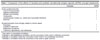
Based on our clinical practice, we can confirm the acute intoxication risks highlighted in previous studies4,5 and underscore the formidable challenges in treating SCRA addiction due to the dearth of research in this area. Regular users often develop withdrawal symptoms, resorting to multiple daily doses and reporting intense cravings hours after abstaining. SCRA use leads to more severe acute and chronic symptoms than cannabis among adolescents (Table 1). SCRA users are more likely to experience loss of consciousness, agitation, nausea, tachycardia, cardiovascular events, psychosis, cognitive impairment, respiratory issues, and develop tolerance and dependence.
| Cannabis | SCRA | |
|---|---|---|
| Acute symptoms/events | ||
| Loss of consciousness | ┼ | § |
| Agitation/restlessness | § | || |
| Nausea and vomiting | ┼ | § |
| Tachycardia | § | || |
| Cardiovascular events (i.e., stroke and myocardial infarction) | ┼ | ╬ |
| Seizures | ┼ | ╬ |
| Symptoms/events more strongly related to chronic abuse | ||
| Psychosis | ╬ | § |
| Cognitive impairment | § | || |
| Respiratory symptoms | § | § |
| Tolerance, dependence, and withdrawal | ╬ | || |
┼ Very weak or nonexistent correlation.
╬ Indicates a well-established correlation, but the occurrence of the event is relatively uncommon.
§ Indicates a correlation where the occurrence of the event is not considered uncommon.
|| Indicates a correlation where the occurrence of the event is quite common.
In the literature, the term "zombie" or "zombie-like" behavior1 is used to describe SCRA users with acute effects, including disorientation and impaired motor function, along with chronic effects such as psychosis and cognitive impairment. Using a word with possible moral connotations should be problematized,6 without, however, dismissing relevant findings or even the sense of bewilderment it implies for clinicians who evaluate patients acutely intoxicated by SCRA.
Overall, these findings shed a light on the urgent need for targeted interventions to address SCRA abuse among adolescents. Given the scarcity of specific evidence, potential treatments for SCRA use disorder draw from other substance use disorders, such as cannabis use disorder, given that both substances affect the endocannabinoid system.
Psychological interventions such as cognitive behavioral therapy and motivational interviewing show promise, while pharmacological treatment remains nascent, despite some promising results with cannabinoids.5 Based on our experience, further research is needed regarding social interventions for this particular population, whose characteristics tend to resemble those of stigmatized crack cocaine abusers.6
Furthermore, challenges associated with the ever-changing molecular structures of SCRA pose difficulties not only for law enforcement but also for drug screening efforts, as new molecules evade detection and produce distinct effects from previous iterations.1,2 It is possible that newer iterations may introduce even more devastating effects than current ones.
Data from government authorities3,7 confirm the exponential growth of SCRA use, particularly among adolescents. However, despite this concerning trend, the scientific community has yet to fully address the issue. We believe it is imperative to fill this gap, and we encourage our peers to prioritize research efforts in this area.
REFERENCES
B3rio%20Epidemiol%C3%B3gico%20Canabinoide%20sintetico_PMPCI%20SE14%202024.pdf
 PDF
 Print
 Send this article by email
 How to cite this article
 Submit a comment
 Mendeley
 Pocket
 Share on Facebook
 Share on Twitter